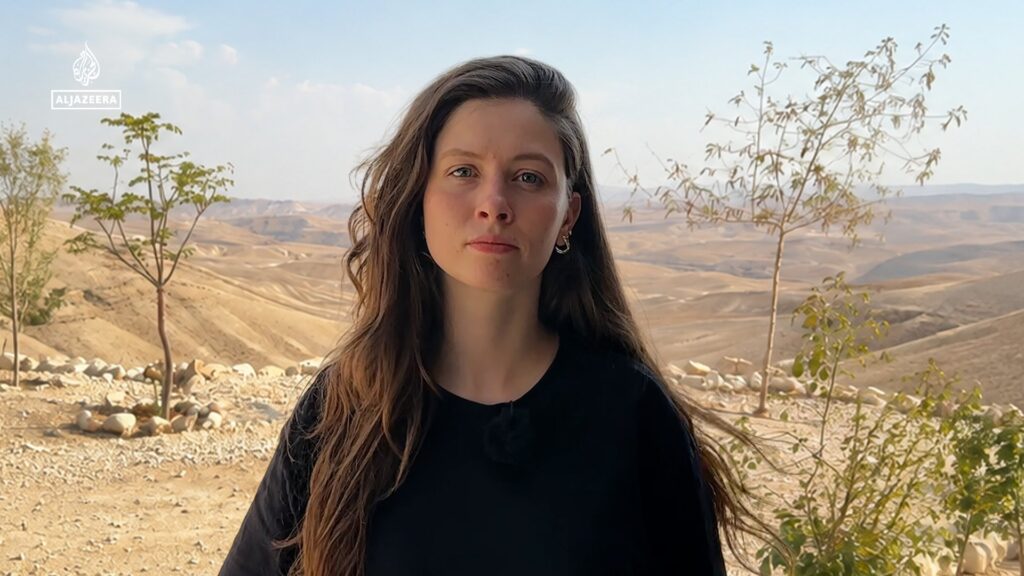
In the occupied West Bank, Farhan al Rashaydeh and his family continue a way of life that predates modern political boundaries and turmoil. Farhan lives in natural caves that have been his family’s home for generations—dwellings older than the state of Israel itself. These caves provide shelter and a living connection to a deeply rooted heritage in a region fraught with conflict.
The caves, carved out of the rocky terrain of the West Bank, serve as more than just a home. They are symbols of Palestinian resilience and identity amidst decades of occupation and displacement. Farhan’s life inside these caves highlights the endurance of a culture that has survived through many challenges over centuries.
Despite the hardships of living underground, including limited access to modern amenities and constant threats from regional conflict, Farhan’s family maintains their traditions. They tend to animals, cultivate small patches of land, and uphold communal bonds that are essential for survival.
The story of Farhan al Rashaydeh contrasts sharply with the political narratives surrounding the Israeli-Palestinian conflict. While many focus on modern infrastructure and urban development, Farhan’s existence in these age-old caves reminds the world of the deep historical roots and ongoing struggles of the Palestinian people.
Living in this way is not just about habitation; it is a form of peaceful resistance. It asserts the right to the land and the preservation of a unique cultural history that predates contested political claims. Farhan and his family’s persistence in the caves serves as a powerful message about identity and belonging.
As tensions continue in the West Bank, the international community is urged to recognize and support these indigenous ways of life. Farhan’s story sheds light on the human dimension of the conflict, often overshadowed by geopolitical discussions.
In conclusion, Farhan al Rashaydeh’s life in West Bank caves is a poignant representation of Palestinian history and resilience. His home, carved into the earth, stands as a testament to the enduring spirit of a people committed to preserving their heritage despite the pressures of modern conflict and occupation.