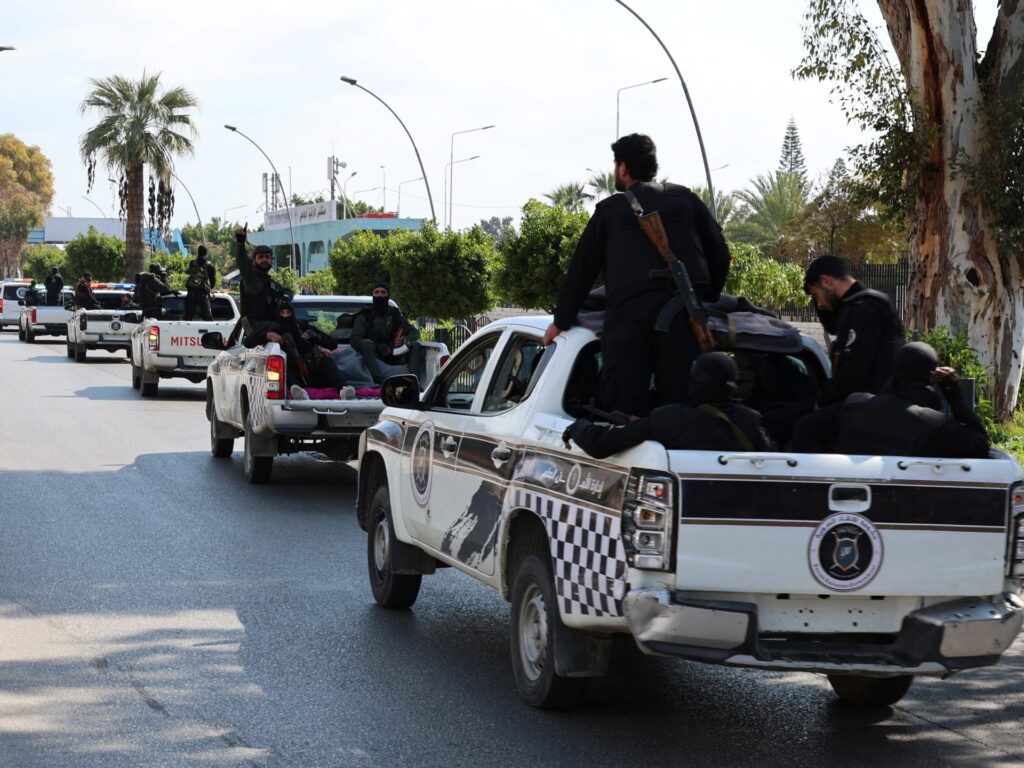
Syria has launched an official probe following the death of a ‘White Helmet’ rescuer while in police custody. The rescuer, whose identity has not been disclosed, was held by Syrian security forces when he reportedly died under suspicious circumstances. The troubling incident has drawn significant attention due to allegations made by the victim’s family members.
According to relatives, the man suffered from hemophilia, a medical condition that impairs the blood’s ability to clot and can result in severe bleeding from even minor injuries. Despite this critical condition, family members assert that Syrian security officers ignored explicit medical warnings about his hemophilia.
The family further claims that the rescuer was subjected to severe physical abuse while in custody, which may have contributed to his untimely death. These allegations have sparked outrage among human rights organizations and activists who call for transparency and accountability in the investigation.
The ‘White Helmets,’ officially known as the Syria Civil Defence, are a volunteer organization renowned for their efforts in rescuing civilians and providing emergency services in the midst of the country’s ongoing conflict and humanitarian crises. The organization has previously faced challenges and scrutiny from various factions within Syria, with accusations and political pressure.
Syrian authorities have been under increasing pressure to demonstrate justice in the case, as the international community watches closely. The official probe aims to uncover the circumstances leading to the rescuer’s death and to determine whether abuse or negligence was involved.
Human rights monitors have urged for an independent and impartial investigation, emphasizing the need for protection of detainees’ rights and medical care, especially those with known health conditions.
This development comes amid ongoing reports of mistreatment and harsh conditions faced by detainees in the region, intensifying concerns over security practices in Syrian detention facilities.
As the investigation proceeds, the family of the deceased calls for a transparent process and accountability to prevent similar incidents in the future. The outcome of this probe may also influence international perspectives on Syria’s handling of detainee welfare and human rights adherence.
The Syrian government has yet to release detailed information about the investigation’s progress or findings. Meanwhile, the case highlights broader issues regarding detainee treatment, medical care access, and enforcement of human rights protections within conflict zones.
The international community continues to advocate for improved oversight and reforms in detention practices to safeguard vulnerable individuals, including those like the deceased, who dedicated their lives to saving others through the White Helmets initiative.
This tragic incident serves as a somber reminder of the risks faced by those involved in rescue missions within conflict-ridden areas and underlines the urgent need for robust mechanisms to ensure their safety and dignity while in custody.
Authorities in Syria have reiterated commitments to thoroughly investigate the death and uphold justice, but many remain cautious, awaiting concrete action and transparency in the proceedings.
In summary, the death of the White Helmet rescuer has sparked a vital conversation about detainee rights, abuse allegations, and the imperative of humane treatment in Syrian law enforcement practices. The ongoing investigation will be critical in determining accountability and potentially improving conditions for other detainees with medical vulnerabilities in the future.