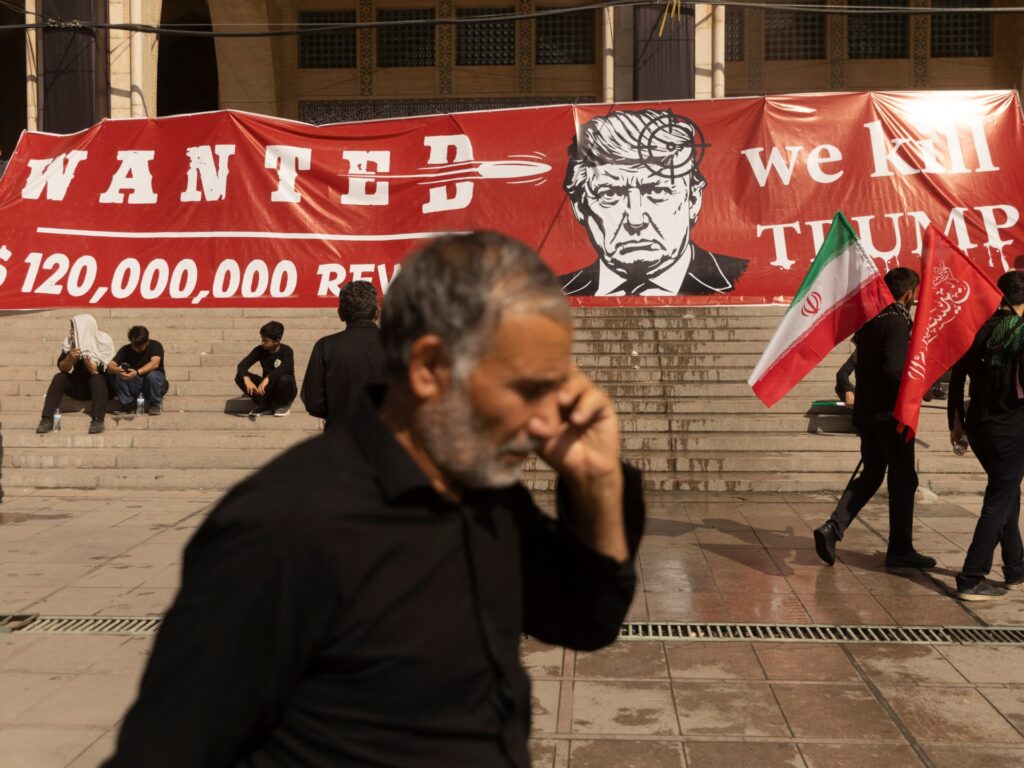
In recent developments, Iran has signaled a significant shift in its military posture, preparing for potential US ground operations in the region. This change reflects a move towards a more offensive stance amid escalating tensions between Tehran and Washington.
Officials in Tehran have underscored Iran’s readiness to counter any US military actions, particularly following incendiary remarks from former President Donald Trump. Trump had asserted that the United States would soon claim the strategically vital Strait of Hormuz as its territory, escalating concerns about future confrontations.
The Strait of Hormuz, a crucial chokepoint for global oil shipments, has long been a flashpoint in US-Iran relations. Iran’s new strategy involves heightened vigilance and preparedness to respond swiftly to any incursions or attempts by US forces to establish a foothold within Iranian territory or its maritime boundaries.
Analysts note that Iran’s posture is evolving from a primarily defensive stance to one that includes proactive measures aimed at deterring US advances. This shift is likely influenced by both armed forces assessments and political directives aimed at preserving Iran’s regional influence and sovereignty.
Iran’s military leaders have emphasized that any US ground operations would be met with formidable resistance, signaling an escalation from previous engagements that focused on naval and missile capabilities. This marks a pivotal moment as Iran seeks to project strength and deter foreign intervention.
The announcement comes amid a backdrop of ongoing sanctions, diplomatic strains, and occasional skirmishes in the Persian Gulf. Tehran’s willingness to broaden its operational readiness indicates a readiness to confront challenges more aggressively, signaling a departure from more restrained tactics.
Experts warn that the combination of Iran’s strategic shift and provocative statements from US officials could heighten the risk of miscalculations leading to broader conflict. Both sides appear locked in a complex game of deterrence and brinkmanship.
The international community watches closely as regional dynamics continue to shift. Iran’s signaling of preparedness for US ground operations underscores the volatile environment and the fragility of peace in a key geopolitical corridor.
As tensions simmer, diplomatic efforts remain critical in preventing escalation. However, Iran’s new offensive posture underscores a readiness to act decisively should the situation deteriorate, redefining the security landscape of the Middle East.