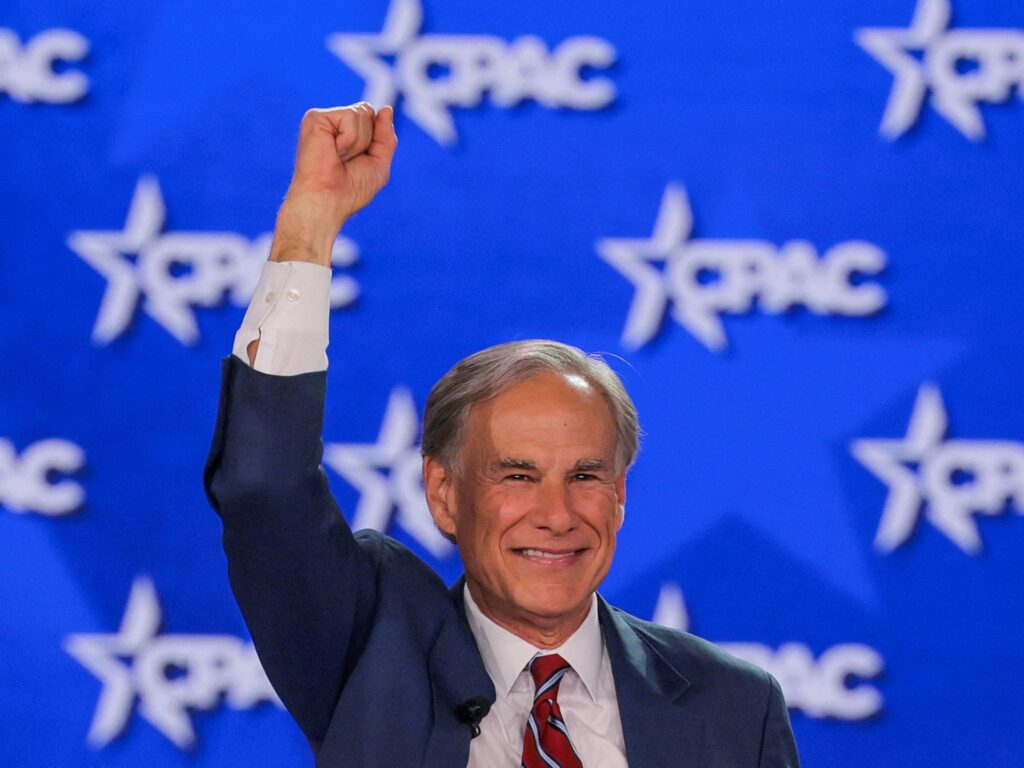
In recent developments at Texas airports, a controversy has erupted involving Governor Greg Abbott and the provision of wudu stations—facilities allowing Muslims to perform their ritual ablutions before prayers. Abbott accused airport authorities of engaging in religious discrimination by limiting or removing these washing stations, calling for a federal investigation into the matter.
The Council on American-Islamic Relations (CAIR), a prominent Muslim civil rights organization, has sharply criticized Abbott’s actions, labeling his accusations and demands as an ‘anti-Muslim stunt.’ CAIR argues that the governor’s approach is politically motivated and misrepresents the intent behind the management of these facilities.
Wudu is an important Islamic ritual involving the washing of hands, face, and feet before prayers. Its availability in public spaces like airports is vital for many Muslim travelers who wish to maintain their religious practices during transit.
Abbott’s allegations came after some reports indicated that certain Texas airports had either reduced access or removed dedicated wudu stations, citing reasons such as maintenance challenges or space constraints. The governor claimed these moves constituted religious discrimination against Muslim travelers.
In response, CAIR emphasized the importance of constructive dialogue and cooperation with airport authorities to find solutions that respect religious practices without compromising operational concerns. They cautioned against politicizing such issues, which could fuel divisiveness and misunderstanding.
The debate highlights the broader national conversation about accommodating religious practices in public and governmental spaces. Advocates for Muslim communities view such facilities as essential for religious freedom and inclusion, while critics sometimes question their practicality or priority among limited resources.
Federal agencies have yet to announce whether they will open an investigation based on Abbott’s call. Meanwhile, Muslim travelers and civil rights groups continue to advocate for clear policies that respect religious accommodations, including the availability of wudu stations in public transportation hubs.
This incident underscores the ongoing challenges in balancing religious rights with administrative logistics in increasingly diverse societies. It also spotlights the role of political figures in shaping narratives around religious freedoms and minority rights.
As the debate progresses, stakeholders urge dialogue and mutual respect. The controversy serves as a reminder that fostering inclusivity requires ongoing effort and understanding from all levels of government and the communities they serve.