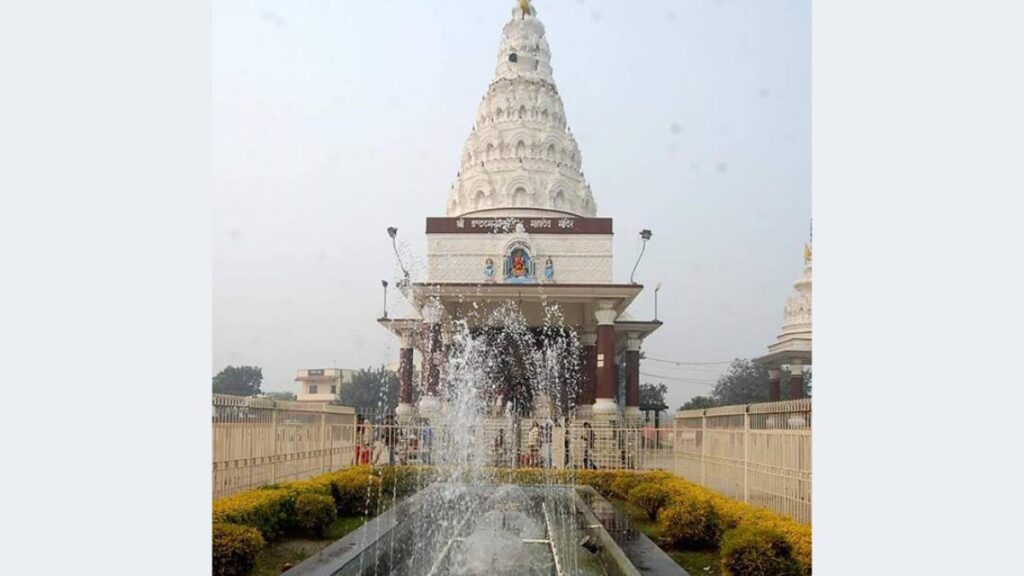
A tragic stampede-like incident has resulted in the deaths of at least seven people at a temple in India’s Bihar state. The fatal occurrence took place amid a rush of devotees at the temple, underscoring the dangers associated with large, unregulated crowds during religious gatherings.
The incident occurred during a time when many devotees were gathered at the temple, seeking blessings and participating in religious rituals. The sudden surge in the crowd led to chaotic conditions, ultimately causing the stampede that claimed multiple lives.
Bihar, located in the eastern part of India, is known for its rich cultural heritage and numerous places of worship. Temples in this region frequently attract large crowds, especially during religious festivals and special occasions. Unfortunately, overcrowding at these events sometimes results in accidents, such as the one witnessed here.
Authorities rushed to the scene following reports of the incident and initiated emergency response measures. Medical teams were dispatched to assist the injured, and efforts are underway to provide aid to the victims’ families.
Preliminary investigations suggest that the incident may have been triggered by a sudden movement within the tightly packed crowd, typical of scenarios that lead to stampedes. The exact cause, however, remains under investigation.
Officials are looking into the management of the event and whether safety protocols were adequately implemented. There is increased scrutiny over crowd control and security arrangements at religious sites, especially given past incidents where lack of proper planning led to similar tragedies.
This event marks yet another reminder of the importance of safety measures in crowded religious gatherings in India. With millions of people participating in festivals and ceremonies annually, the risk of such incidents remains significant.
Experts and public officials emphasize the need for better infrastructure, increased policing, and effective crowd management strategies to prevent such catastrophes in the future. Public awareness campaigns aimed at educating devotees on safety during temple visits are also being considered.
In the wake of the incident, there is a call for comprehensive review and improvement of safety guidelines for events that attract large attendance at religious venues. This could include limits on crowd size, more entry and exit points, and the deployment of trained personnel to manage flow and avoid bottlenecks.
Religious leaders and community members have expressed their condolences to the families affected by this heartbreaking tragedy. There is a shared commitment to ensuring that worship remains a safe and peaceful experience for all.
The state government of Bihar is expected to announce further measures to address the causes of the stampede and to prevent any future occurrences. They have pledged to conduct a thorough inquiry and implement recommendations from experts.
This incident brings to light the delicate balance between maintaining traditional religious practices and ensuring modern safety standards. It highlights the urgent need for a coordinated approach involving government agencies, community leaders, and religious organizations.
As investigations continue, the focus remains on providing immediate support for the victims, understanding what led to the disaster, and preventing recurrence. It is hoped that lessons learned from this tragedy will lead to stronger safety protocols across India’s many religious sites.
In summary, the tragic stampede at the Bihar temple serves as a somber reminder of the risks inherent in large religious gatherings and the paramount importance of effective crowd management and safety preparedness at such events. Authorities, communities, and religious institutions must come together to prevent such incidents from happening again.