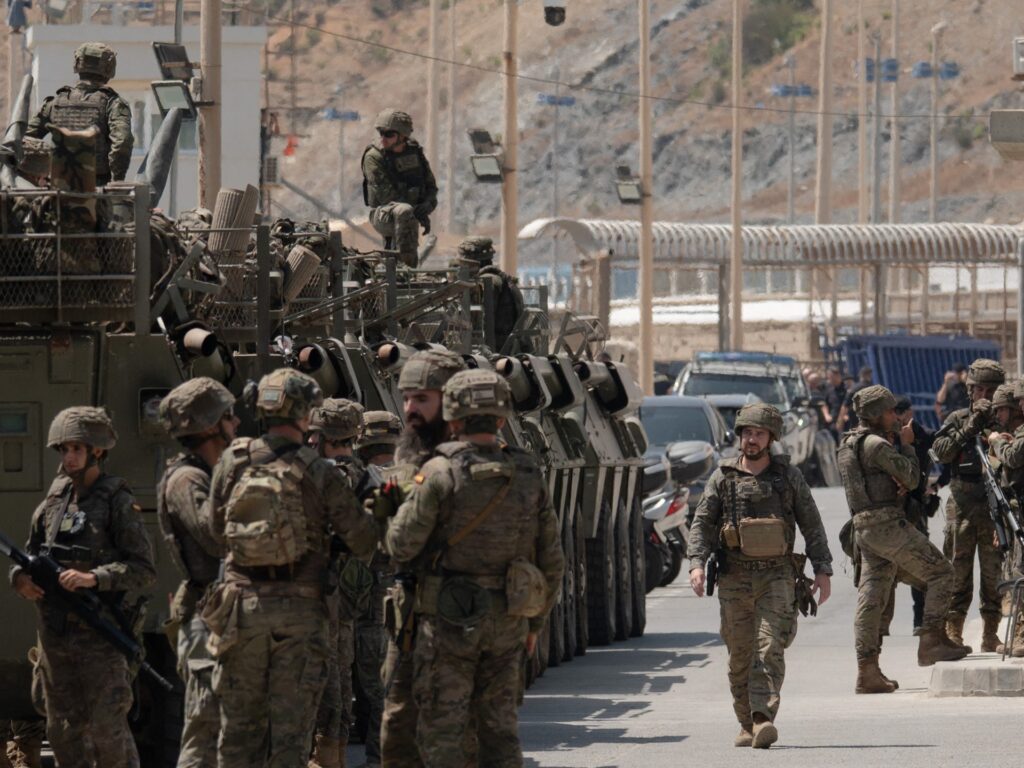
In a significant operation near the border of Ceuta, authorities have detained nearly 300 migrants and 61 alleged facilitators during a mass migration attempt. This crackdown represents one of the largest in recent times, highlighting the ongoing tensions and challenges in managing migration flows at the border.
Ceuta, a Spanish enclave in North Africa bordered by Morocco, has been a focal point for migration attempts into Europe. The region experiences frequent crossings by migrants seeking better economic opportunities or fleeing instability in their home countries.
In the latest incident, security forces responded swiftly to the mass movement of individuals attempting to cross into Spanish territory. Nearly 300 migrants were apprehended, many of whom faced harsh and dangerous conditions trying to breach the border fences and checkpoints.
Alongside the migrants, 61 alleged facilitators were also arrested. These individuals are suspected of organizing and aiding the migration attempt by providing logistical support, information, and transportation to migrants. Authorities emphasize that dismantling such networks is essential to curbing illegal migration and enhancing border security.
The massive detention underscores the complex humanitarian and security issues inherent in the migration crisis. While border control is crucial to national security, ensuring the humane treatment of migrants remains a priority. Human rights organizations have called for greater protections and more comprehensive migration policies that address root causes such as poverty, conflict, and political instability.
The Spanish government has pledged to continue cooperating with Moroccan authorities to manage migration flows and prevent further unauthorized attempts. Joint patrols and intelligence sharing have been intensified to better monitor and control the border.
The incident near Ceuta is a reflection of the larger migratory pressures faced by Europe from North Africa and other regions. It calls attention to the urgent need for international cooperation in developing sustainable solutions that balance security concerns with humanitarian obligations.
As authorities process the detainees, questions remain about their future — including potential asylum claims or repatriation procedures. The unfolding situation demands a careful approach to uphold legal standards and human dignity while maintaining border integrity.
This event serves as a reminder of the ongoing migration challenges at the Ceuta border and the broader Mediterranean region. It accentuates the critical role of coordinated efforts among nations, humanitarian actors, and policy makers to address the complex dynamics of migration in an efficient, fair, and compassionate manner.