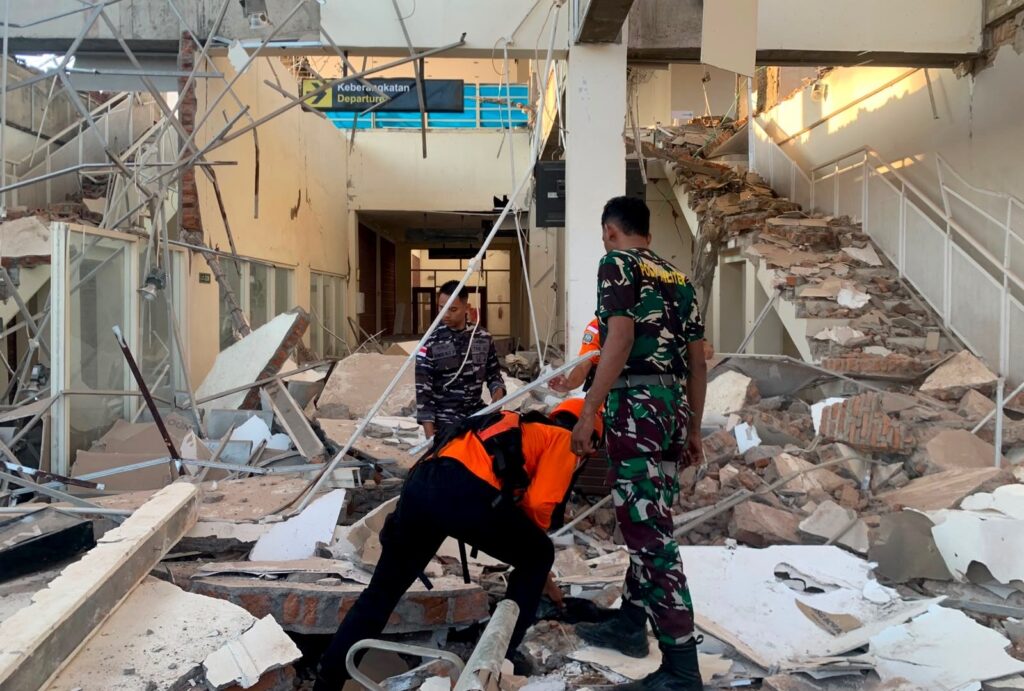
Indonesia has been struck by a powerful magnitude 7.7 earthquake, resulting in the deaths of at least 51 people and displacing thousands more. The devastating quake has caused extensive damage across several regions, with over 1,300 homes reported damaged and approximately 5,000 individuals displaced from their residences.
This earthquake is one of the deadliest in Indonesia in recent years, highlighting the severe impact natural disasters continue to have on the archipelago nation, which lies on the Pacific Ring of Fire—a hotspot for seismic and volcanic activity.
Emergency response teams and local authorities are working tirelessly to provide aid and support to the affected communities. Relief efforts are focused on delivering essential supplies, including food, water, and medical assistance, while also assessing the structural integrity of buildings to ensure the safety of survivors.
The quake’s epicenter was located in a region known for its seismic activity, which exacerbates the risk to local communities. The disaster has prompted a renewed call for improved earthquake preparedness and infrastructure resilience throughout Indonesia.
Thousands of displaced people are currently residing in temporary shelters, facing challenges such as limited access to clean water and healthcare. Humanitarian organizations are coordinating with government agencies to address these immediate needs and facilitate recovery efforts.
Despite the widespread destruction, the resilience and solidarity of the Indonesian people have been evident as communities come together to support one another during this difficult time.
Authorities continue to monitor the situation closely for aftershocks and further seismic activity, urging residents to stay vigilant and follow safety protocols.
This tragic event serves as a stark reminder of the importance of disaster readiness and risk mitigation in seismically active regions. It also underscores the ongoing need for global cooperation and support in the face of natural disasters.
As Indonesia embarks on the long path to recovery, the international community has extended offers of assistance, emphasizing the critical nature of humanitarian aid in mitigating the quake’s aftermath.
The government has pledged to prioritize rebuilding efforts, focusing on restoring homes, infrastructure, and essential services to aid in the swift recovery of affected populations.
This earthquake has not only caused immediate loss and displacement but also posed significant challenges to local economies and the broader development of impacted areas.
Ensuring mental health support and counseling services is also a key component of the response strategy to help survivors cope with trauma.
In summary, the magnitude 7.7 earthquake in Indonesia stands as a significant natural disaster with substantial human and material costs. Efforts continue to mitigate its impacts and support recovery, reflecting the resilience of the affected communities and the critical role of coordinated disaster response.