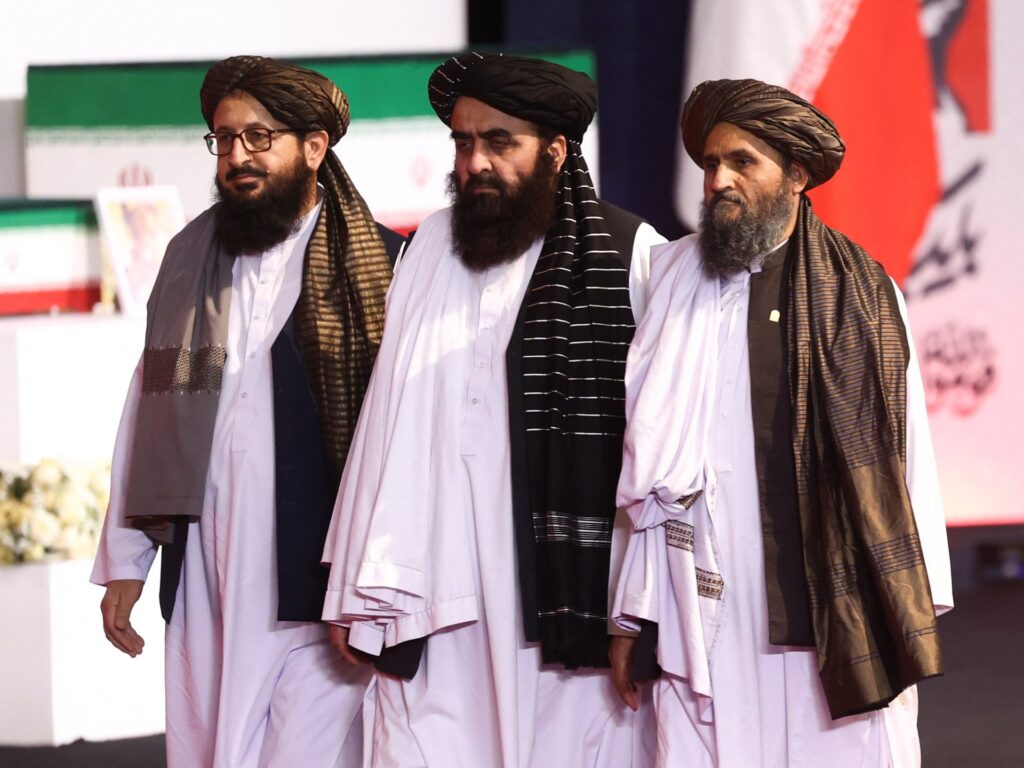
As the Taliban marks five years since retaking control in Afghanistan, questions about how it will handle armed opposition groups remain pressing. The United Nations reports that several armed groups opposed to the Taliban government continue their activities, posing ongoing security challenges within the country.
The Taliban’s return to power in August 2021 followed the withdrawal of U.S. and NATO forces, marking a significant shift in Afghanistan’s political landscape. Since then, the Taliban has faced internal and external challenges trying to consolidate its governance and ensure stability across Afghanistan’s diverse regions.
Armed opposition groups, including remnants of the Afghan National Resistance Front and other factions, continue to mount insurgencies and attacks against Taliban forces. These groups claim to resist the Taliban’s harsh policies and advocate for a more inclusive government. Additionally, extremist organizations like ISIS-K have exploited the instability to conduct operations against both the Taliban and civilian targets.
The United Nations has documented persistent violence and conflict zones where armed opposition groups are active, despite efforts by the Taliban to assert control. This ongoing conflict raises concerns about the Taliban’s ability to maintain security and protect civilians, as well as the broader implications for regional stability.
From the Taliban’s perspective, dealing with armed opposition requires a combination of military action, political negotiations, and efforts to consolidate administrative control. They have conducted military campaigns to push back insurgents, especially in key provinces known for resistance activities. Yet, reports indicate these operations sometimes result in civilian casualties, further complicating the security environment.
Politically, the Taliban have promised to establish a more inclusive government, though significant skepticism remains among Afghan communities and international observers. The inclusion of diverse ethnic groups and former adversaries in governance could reduce motivations for armed opposition, but such reconciliatory measures are slow and fraught with challenges.
The humanitarian impact of continued conflict is severe, with millions displaced and urgent needs for food, shelter, and medical care rising. Armed clashes exacerbate already fragile economic and social conditions, complicating efforts by humanitarian agencies to operate effectively.
International engagement with the Taliban has been cautious and conditional, focusing largely on human rights, especially women’s rights, and counterterrorism assurances. This diplomatic dynamic influences how much external support and pressure the Taliban face in managing opposition groups.
Looking ahead, the Taliban’s approach to armed opposition will likely remain a defining factor in Afghanistan’s trajectory. Success in quelling insurgencies could stabilize the government but might come at the cost of increased repression. Conversely, failure to do so risks continued fragmentation and potentially more violent resistance.
Ultimately, the situation five years on reflects a complex matrix of security, political, and humanitarian challenges, with the Taliban’s strategies closely watched by the Afghan people, neighboring countries, and the international community.