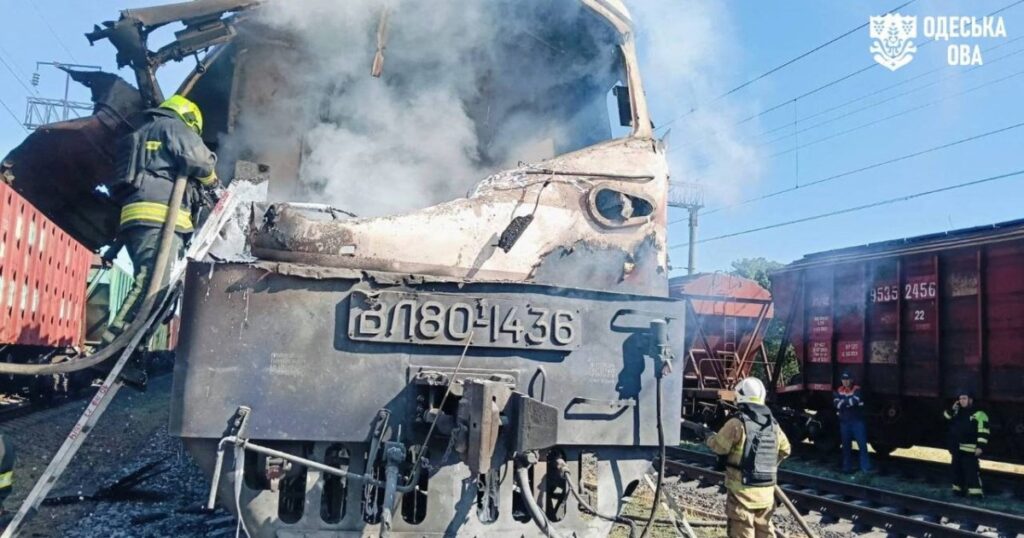
In a recent escalation of tensions amid the ongoing conflict, Russia has reported hitting key Ukrainian railway and port facilities in a series of new strikes. These attacks aim to disrupt Ukraine’s logistical and transport capabilities, which are crucial for both civilian and military movements. The strikes on railway lines and port infrastructures significantly impact supply chains and potentially hinder the flow of resources to frontline areas.
On the other side, Ukrainian forces have conducted drone strikes targeting strategic locations in Russia. Notably, they focused on a Baltic oil hub and a warehouse near Moscow. These precision attacks by Kyiv are seen as a response to the Russian strikes, aiming to weaken Russian logistical networks and fuel supply essential for Russian military operations.
The Baltic oil hub is a significant point for energy supplies, and its targeting illustrates Ukraine’s strategic intent to disrupt Russia’s energy distribution channels. The warehouse near Moscow likely serves as a storage or operational base, making it a high-value target for Ukraine’s counterattacks.
These developments indicate a continued and intensifying cycle of offensive actions from both sides, with infrastructure and energy assets being key targets. The strikes highlight the growing complexity and reach of the conflict, with both Russia and Ukraine employing a range of tactics including aerial and drone capabilities.
The international community has expressed concern over the escalation, emphasizing the need for renewed dialogue and a ceasefire to prevent further humanitarian impact. The strikes on transportation and energy infrastructure not only affect military logistics but also have broader repercussions on civilian populations dependent on these services.
Analysts suggest that the targeting of such critical infrastructure is part of a broader strategy by both countries to undermine each other’s war-sustaining capabilities. As the conflict continues, the importance of these nodes remains evident in the tactical and strategic calculations of both Moscow and Kyiv.
In the coming weeks, further assessments will be necessary to understand the full impact of these strikes and to monitor any shifts in the operational dynamics of the conflict. The situation remains fluid, with ongoing risks of escalation and increased international diplomatic efforts focused on de-escalation and conflict resolution.