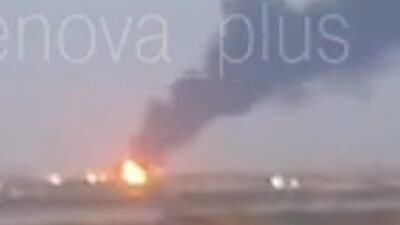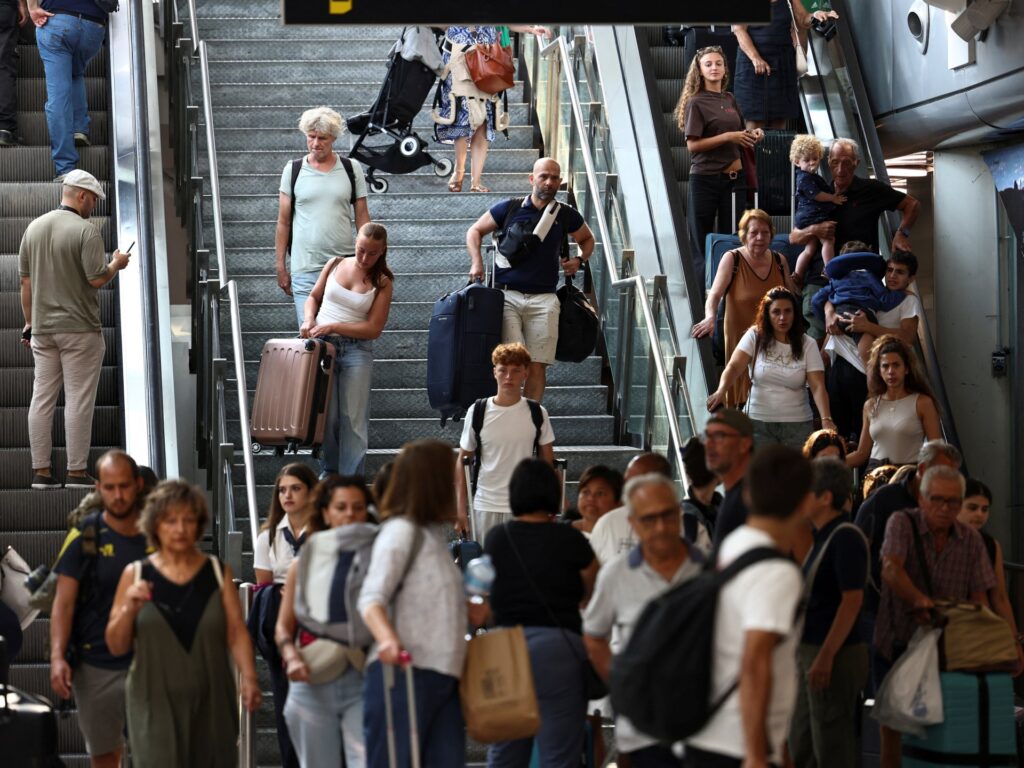
Mount Etna, Europe’s tallest and most active volcano, has erupted again, sending plumes of volcanic ash into the surrounding atmosphere and causing major disruption to air travel in Sicily. The eruption led to the closure of the island’s busiest airport, which handles thousands of passengers daily, with flights suspended until at least Saturday afternoon. This unexpected closure has left hundreds of travelers stranded, forcing last-minute cancellations and adjustments to travel plans.
The volcanic activity began earlier in the week, with increased seismic tremors and outbreaks of lava flows. Scientists monitoring Etna had forecast a possible eruption, but the scale and timing caught many by surprise. As the volcano expelled ash clouds, visibility dropped significantly, prompting airport authorities to act swiftly to ensure safety.
Sicily’s primary airport, a critical hub linking the island to mainland Italy and international destinations, experienced a temporary shutdown due to the airborne ash, which poses serious risks to aircraft engines. The ash could cause engine failure or significant damage, making flight operations unsafe.
Authorities have advised all incoming and outgoing passengers to check with their airlines for updated schedules and to plan for delays or alternative transport arrangements. Emergency services remain on high alert, and analysts continue to track the evolving eruption closely to anticipate further impacts.
Local residents near Mount Etna have been urged to stay indoors and take precautions against ash inhalation, which can exacerbate respiratory conditions. Cleanup crews are also mobilizing to remove ash deposits from streets and public areas to minimize disruption to daily life.
The eruption highlights the ongoing geological volatility of Mount Etna, which has historically caused disruptions but also contributes to the fertile soil and unique landscape of Sicily. Tourism officials are working to manage the fallout from the eruption on travel and local businesses, many of which rely heavily on visitor revenue.
Flights are expected to resume once it is safe, with forecasts suggesting conditions might improve by Saturday afternoon, but authorities remain cautious due to the unpredictable nature of volcanic activity. Travelers affected by the shutdown have expressed frustration but understand the necessity of prioritizing safety.
In summary, the recent eruption of Mount Etna has had immediate and tangible effects on air travel and local communities in Sicily, underscoring the powerful natural forces at play in this volcanic region. Continued monitoring and preparedness remain essential as the situation develops.