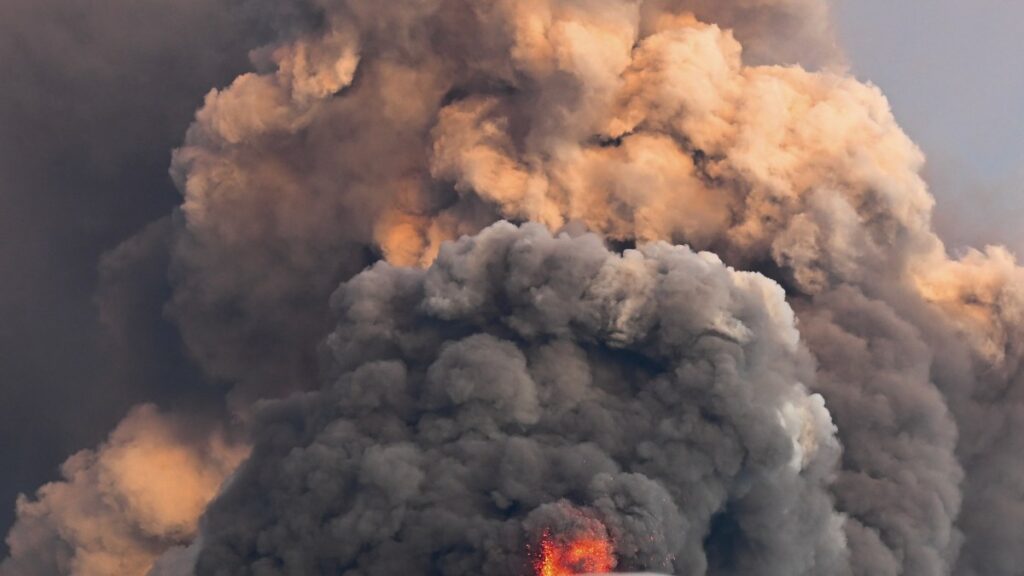
Guatemala has issued a significant alert, the second-highest level of danger, after the Fuego volcano erupted once again, raising concerns and prompting emergency responses. Fuego, known as one of Central America’s most active volcanoes, has a well-documented history of frequent eruptions, posing persistent risks to nearby communities.
The recent eruption led to immediate actions including evacuation orders and heightened monitoring by volcanic authorities. Historically, Fuego has demonstrated vigorous volcanic activity, causing multiple mass evacuations due to its sudden and often intense eruptions.
The volcano, located approximately 44 kilometers west of Guatemala City, is a stratovolcano notable for its explosive nature. Its eruptions release ash plumes, lava flows, and pyroclastic materials, which threaten the safety of residents in surrounding areas, disrupt air travel, and affect agriculture.
In response to the recent activity, Guatemalan authorities activated the second-highest emergency alert level to ensure that residents are prepared and can respond quickly to any escalating dangers.
Volcanologists have been monitoring Fuego closely due to increased seismic activity preceding the eruption. This volcanic activity has been accompanied by ash clouds that have impacted air quality and visibility, necessitating precautions for people with respiratory issues.
Efforts are underway to facilitate safe evacuations, provide emergency shelters, and distribute aid to those affected by volcanic ash and lava flows. The government and disaster management agencies remain on high alert, coordinating with local and international experts.
Fuego’s eruptions remind us of the dynamic and volatile geological forces affecting the Pacific Ring of Fire region, demanding continuous vigilance and preparedness from local communities, scientists, and policymakers.
As the situation develops, residents are encouraged to follow official updates and advisories, stay clear of danger zones, and take all recommended safety measures to mitigate risks associated with the volcanic activity.
The eruption underscores the importance of ongoing volcanic monitoring, disaster preparedness, and community resilience building in Guatemala and neighboring countries vulnerable to similar volcanic hazards.