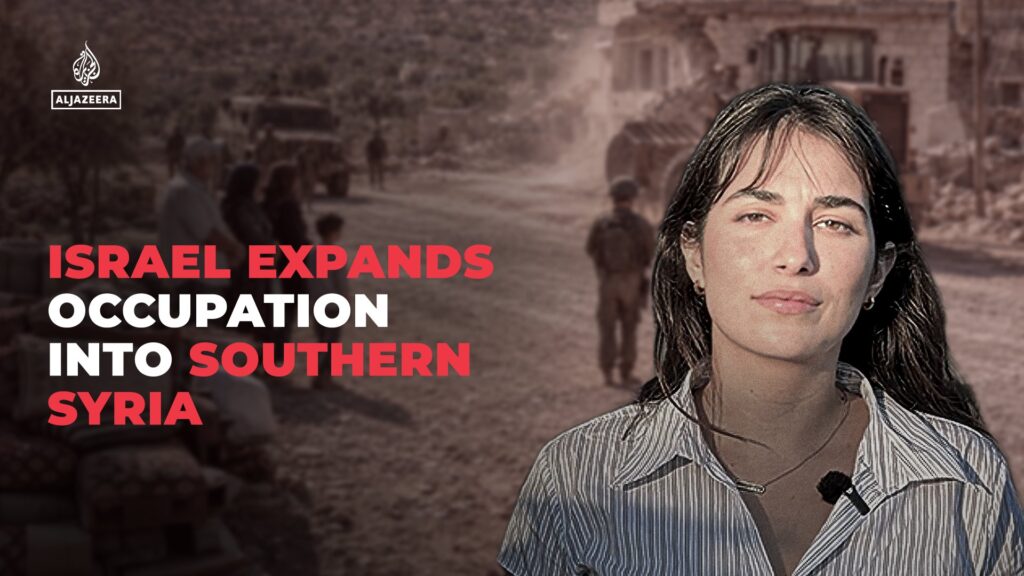
In a continuing series of military operations, Israeli forces have intensified their activities in southern Syria, detaining local residents and demolishing homes across the region. This marks a significant escalation in border tensions and reflects the complex security dynamics following the ouster of Syrian President Bashar al-Assad.
Since Assad’s removal from power, Israel has expanded its military presence beyond the 1974 disengagement line, which traditionally demarcates boundaries between Israeli-controlled territories and Syria’s southern provinces. This expansion has seen Israeli troops enter deeper into Syrian territories, particularly targeting areas suspected of harboring hostile factions or those viewed as strategic threats.
Reports from the ground indicate that these operations have involved targeted raids where residents are detained under suspicions related to militant activities or affiliations. In parallel, Israeli forces have conducted demolitions of homes, which they claim are being used for the storage of weapons or as operating bases by militant groups. These actions, however, have raised concerns among human rights organizations and international observers, citing potential violations of international law and the impact on civilian populations.
The southern Syrian region has long been a hotspot for conflict and unrest. Following Assad’s ouster, various factions, including local militias and extremist groups, have vied for control, creating a complex and volatile security environment. Israel’s incursions are seen as efforts to prevent the entrenchment of hostile elements near its borders, particularly groups linked to Iran and Hezbollah, whom Israel considers significant threats.
The 1974 disengagement line was initially established following the Yom Kippur War as a buffer zone to reduce hostilities and maintain ceasefire agreements. However, the shifting geopolitical landscape and ongoing Syrian civil conflict have rendered these agreements increasingly tenuous. Israel’s military maneuvers beyond this line indicate a strategic recalibration aimed at proactive defense but also provoke controversy and heightened tensions with Syrian authorities and their allies.
Local Syrian communities affected by these operations report a growing sense of insecurity and disruption. Families displaced due to home demolitions face humanitarian challenges, including loss of shelter and access to basic services. The detentions have also contributed to a climate of fear, limiting movement and exacerbating already precarious living conditions in war-torn southern Syria.
International reactions have varied, with some governments expressing concern over the potential for further escalation and the humanitarian implications of such military actions. Calls for restraint and adherence to international legal frameworks have been emphasized by global institutions, though the complex web of alliances and enmities in the region complicates diplomatic resolutions.
As Israel continues its presence in southern Syria, the situation remains fluid. The international community watches closely as this geopolitical chess game unfolds, aware that actions on the ground have far-reaching implications for regional stability, civilian safety, and the prospects for peace in the Middle East.
This ongoing conflict underscores the delicate balance between security imperatives and human rights, highlighting the urgent need for dialogue and conflict resolution mechanisms that prioritize the welfare of the affected populations.
In summary, the detention of residents and demolition of homes by Israeli forces in southern Syria following Assad’s ouster represents a critical development in the region’s security dynamics. The expansion of military operations beyond the 1974 disengagement line illustrates shifting strategies but also raises significant humanitarian and legal concerns that demand careful international scrutiny and response.