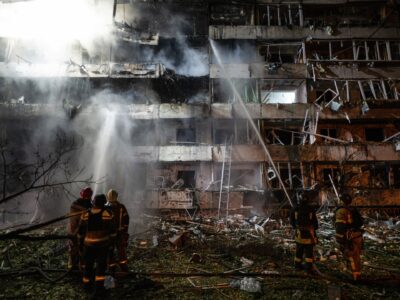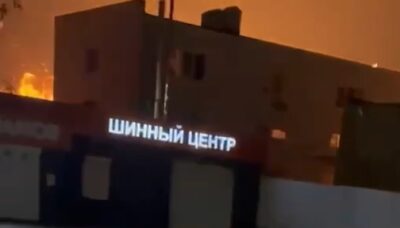
Sudan’s city of El Obeid is currently experiencing an escalation in drone attacks carried out by the Rapid Support Forces (RSF). This surge in hostilities marks a significant intensification in the ongoing conflict affecting the region.
El Obeid, a key urban center in Sudan, has become a strategic hotspot due to its geographic and political importance. The RSF’s increased use of drones in their aggression not only heightens the security risks for the residents but also complicates the efforts of local authorities and humanitarian agencies trying to maintain order and provide relief.
The drone strikes have targeted various parts of the city, causing damages to infrastructure and instilling fear among civilians. Reports indicate that these attacks are part of a broader campaign by RSF forces to exert control and destabilize areas held by opposing factions.
Local sources have revealed that the frequency and precision of the drone attacks have sharply increased over recent weeks. This escalation threatens to further deteriorate the humanitarian situation in El Obeid, which was already under strain from previous conflicts and economic hardship.
Human rights organizations have condemned the use of drones in civilian-populated areas, calling for an immediate halt to the assaults and urging all parties to respect international humanitarian law. The use of such technology in urban combat zones raises serious concerns about the protection of non-combatants and civilian infrastructure.
Efforts to negotiate ceasefires have been complicated by the unpredictable nature of drone warfare. The RSF’s tactical advantage with drones presents new challenges for peacekeepers and mediators attempting to stabilize the region.
International observers are closely monitoring the situation, with calls for increased diplomatic intervention to prevent further bloodshed and to facilitate humanitarian access to affected populations.
The civilian population of El Obeid faces urgent needs, including medical assistance, shelter, and food security, as the intensification of drone attacks disrupts daily life and exacerbates displacement.
In response to the escalation, Sudanese government forces have reportedly increased their defensive measures and are working to counter the drone threat. However, the asymmetrical nature of drone warfare gives the RSF a strategic edge that complicates traditional military responses.
The crisis in El Obeid underscores the challenges Sudan faces as it grapples with internal conflicts and the emerging threat of drone warfare. The international community’s role in addressing these developments will be critical in shaping the future stability and security of Sudan.