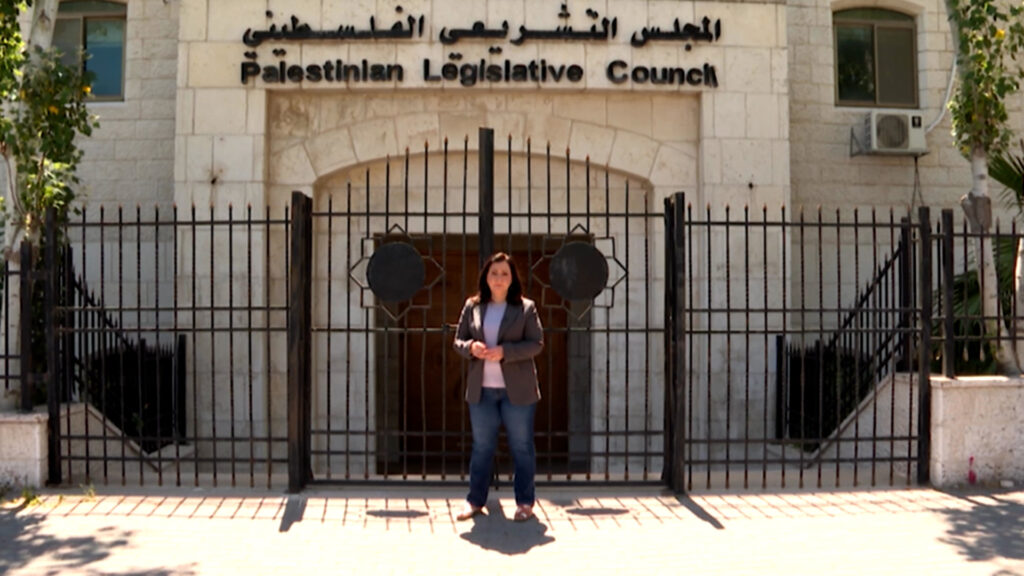
The Palestinian Authority has announced the scheduling of the first legislative elections in two decades, marking a significant moment in Palestinian political history. The elections, which have been postponed multiple times over the years due to internal and external political complexities, are expected to bring a new wave of democratic participation and potentially reshape the political landscape within the Palestinian territories.
The announcement comes amid heightened anticipation from various Palestinian factions and the international community, who view the elections as a crucial step toward restoring legitimacy and governance structures in the West Bank and Gaza Strip. Since the last legislative elections held 20 years ago, the political environment has seen notable shifts, including changes in leadership, ongoing conflicts, and attempts at reconciliation between major Palestinian political parties such as Fatah and Hamas.
These elections will provide an opportunity for Palestinian voters to voice their opinions on critical issues, including governance, economic policies, and future relations with neighboring countries and Israel. Several political analysts believe that the elections could facilitate the reunification of Palestinian political factions and strengthen the Palestinian Authority’s position in negotiations and peace processes.
However, there are challenges ahead, including security concerns, voter registration, and the participation of Palestinian refugees in different countries. The international community has expressed hope that the elections will be conducted fairly and transparently, adhering to democratic standards to ensure the elected representatives truly reflect the aspirations of the Palestinian people.
The Palestinian Central Elections Commission has reportedly begun preparations for the election process, including updating voter lists and setting up polling stations across the Palestinian territories. Leaders from various factions have expressed mixed reactions; while some have welcomed the move as a positive step forward, others remain cautious given the complex political realities on the ground.
This election marks a potential turning point, offering a chance to address long-standing issues and promote greater political stability and unity among Palestinians. It remains to be seen how these elections will influence the future political dynamics and contribute to the broader efforts for peace and development in the region.