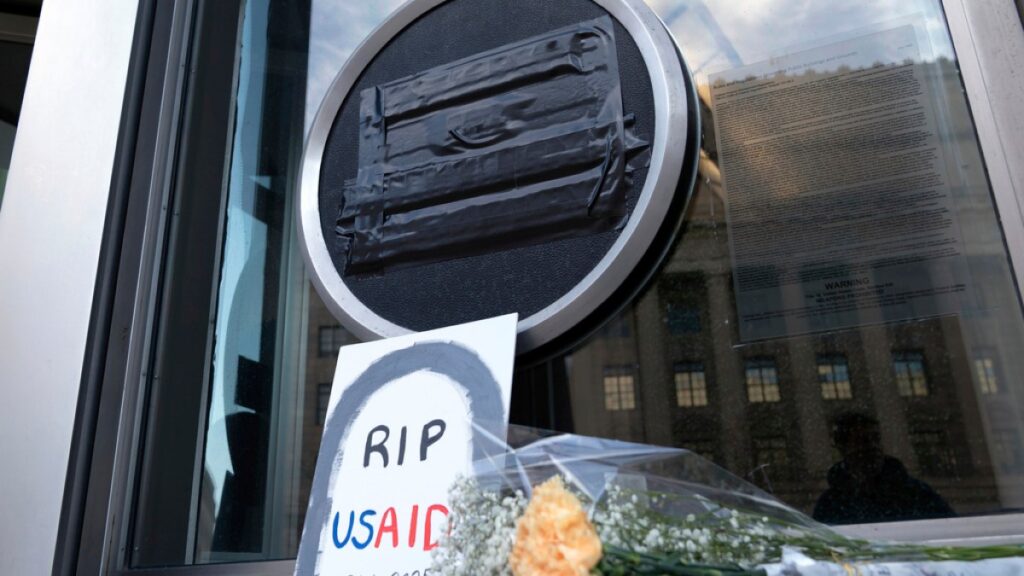
The United Nations has raised concerns over the significant drop in funding for international aid, which has adversely impacted support for about 1 million women globally. The decline in foreign assistance comes amid reductions in contributions by key donor countries, starting with the US in 2025.
The US initially led the charge in shrinking foreign aid budgets, slashing billions of dollars that previously supported various development and humanitarian programs worldwide. Following the US, several other major donors have also reduced their commitments, leading to a cascading effect on funding levels.
This reduction in aid has directly affected women, particularly those in vulnerable communities who rely heavily on international support for health services, education, and economic empowerment programs. The UN highlighted that many critical initiatives aimed at improving maternal health, combating gender-based violence, and facilitating access to education for girls are now at risk.
Experts explain that the cuts create a domino effect: reduced funding limits program reach and sustainability, which in turn undermines efforts toward gender equality and women’s empowerment. Many women in low-income regions face increased hardships as essential services become less accessible or disappear altogether.
The UN continues to advocate for sustained and increased funding to ensure that gains made in women’s rights and welfare over the past decade are not lost. They urge donor nations to reconsider their budget priorities and reaffirm their commitment to global development goals, especially amid ongoing challenges such as the aftermath of the COVID-19 pandemic and geopolitical tensions.
In summary, the steep decline in foreign aid funding, initiated by major contributors such as the US and followed by other donors, has led to a substantial impact on aid programs for women worldwide. The UN warns that without immediate action to restore funding levels, these setbacks could reverse years of progress in advancing women’s health, education, and economic participation, affecting over a million women who depend on international assistance.