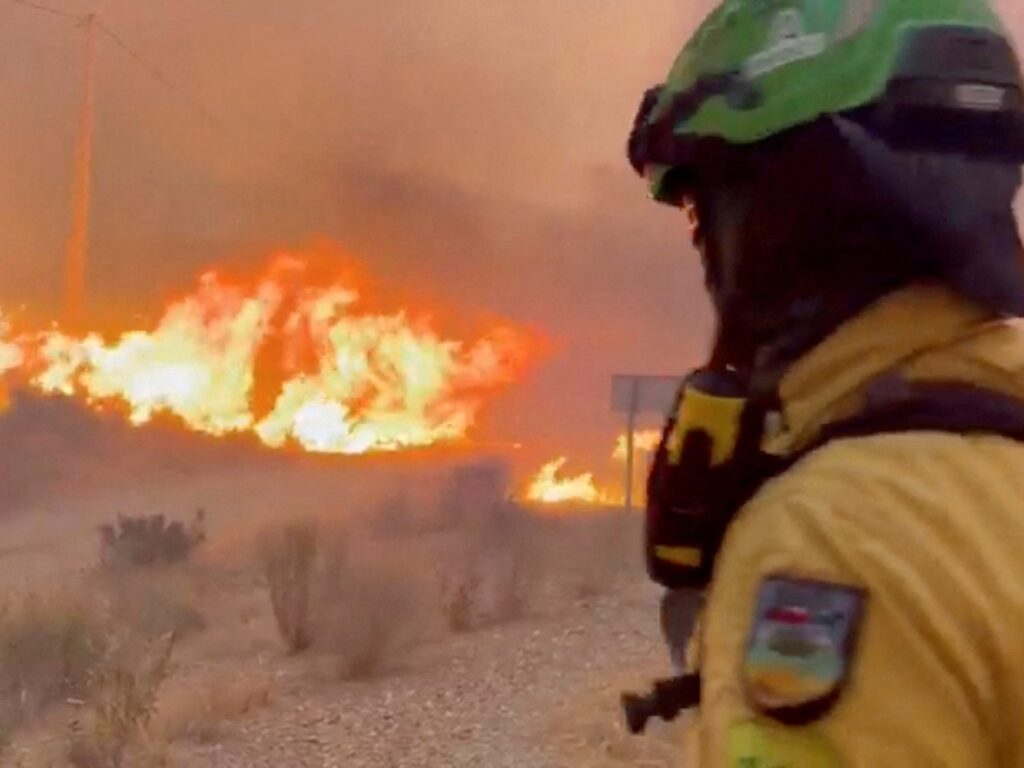
Southern Spain is facing a devastating ordeal as wildfires have claimed the lives of at least 12 people in Andalusia, marking it as the region’s deadliest fire incident in recent history. The inferno has escalated alarmingly amid a backdrop of relentless heatwaves sweeping across Europe, which have exacerbated drought conditions and heightened vulnerability to such disasters.
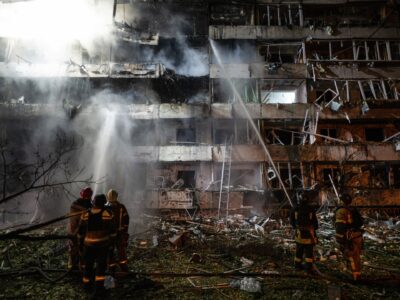
The fires in Andalusia have ravaged vast areas of forest and residential zones, leading to large-scale evacuations and emergency responses. Firefighters, supported by aerial water-dropping aircraft and military personnel, are battling the blazes around the clock in an effort to contain the flames and prevent further loss of life and property.
Experts attribute the severity of these wildfires to multiple factors including prolonged periods of extreme heat, dry conditions, and strong winds that have accelerated the spread of the fire. Climate scientists and environmentalists have warned that such extreme weather events are becoming more frequent and intense due to climate change, putting many regions across Europe at increased risk.
Authorities in Andalusia have declared states of emergency in affected areas, mobilizing resources to assist displaced residents and to coordinate firefighting efforts. Many villages and towns have been temporarily evacuated as a precaution, with local governments setting up emergency shelters and providing aid to those affected by the fires.
The tragic loss of life has deeply impacted communities and prompted urgent calls for enhanced fire prevention measures, improved forest management, and greater investment in emergency response infrastructure. Officials are also focusing on long-term strategies to address the root causes of these increasingly frequent wildfires, including deforestation, land misuse, and climate change mitigation.
Across Europe, the heatwaves responsible for creating conditions conducive to such fires have resulted in widespread drought, crop failures, and health risks, further complicating disaster response efforts. The Andalusian wildfires serve as a grim reminder of the urgent need for coordinated international action to address the climate crisis and manage natural disasters effectively.
As firefighters continue their valiant efforts, local and national leaders are emphasizing the importance of community resilience and preparedness. Public awareness campaigns are being launched to educate citizens on fire safety, evacuation procedures, and environmental stewardship to reduce future risks.
In summary, the wildfires in southern Spain represent a catastrophic environmental and humanitarian crisis fueled by changing climate patterns. The region’s deadliest blaze in Andalusia highlights the stark realities faced by vulnerable communities amid Europe’s rising temperatures and extreme weather. It underscores the critical importance of immediate and sustained action to protect lives, ecosystems, and the future of the continent against the worsening impacts of climate change.