In a harrowing incident that has shocked the world, three-month-old Ahmad Zaid tragically lost his life after Israeli forces allegedly blocked his access to an ambulance. The heartbreaking event unfolded as Ahmad, critically ill, desperately needed urgent medical care.
According to eyewitness accounts, Ahmad’s father pleaded with the soldiers at the checkpoint, begging them to allow his son to pass. His anguished words, “Shoot me, just let my son pass,” echoed the desperation of a parent fighting to save his child.
The details reveal a catastrophic delay caused by the impasse at the checkpoint. Despite the critical condition of the infant, the ambulance was not permitted to cross in time, resulting in devastating consequences.
This incident highlights the severe challenges faced by Palestinians in accessing emergency medical services in conflict zones. The blocking of ambulance movement not only endangers lives but also raises urgent humanitarian concerns.
Medical officials reported that Ahmad was in critical condition, suffering from a severe health issue that required immediate hospitalization. The delay caused by the checkpoint forces contributed to the infant’s deterioration and eventual death.
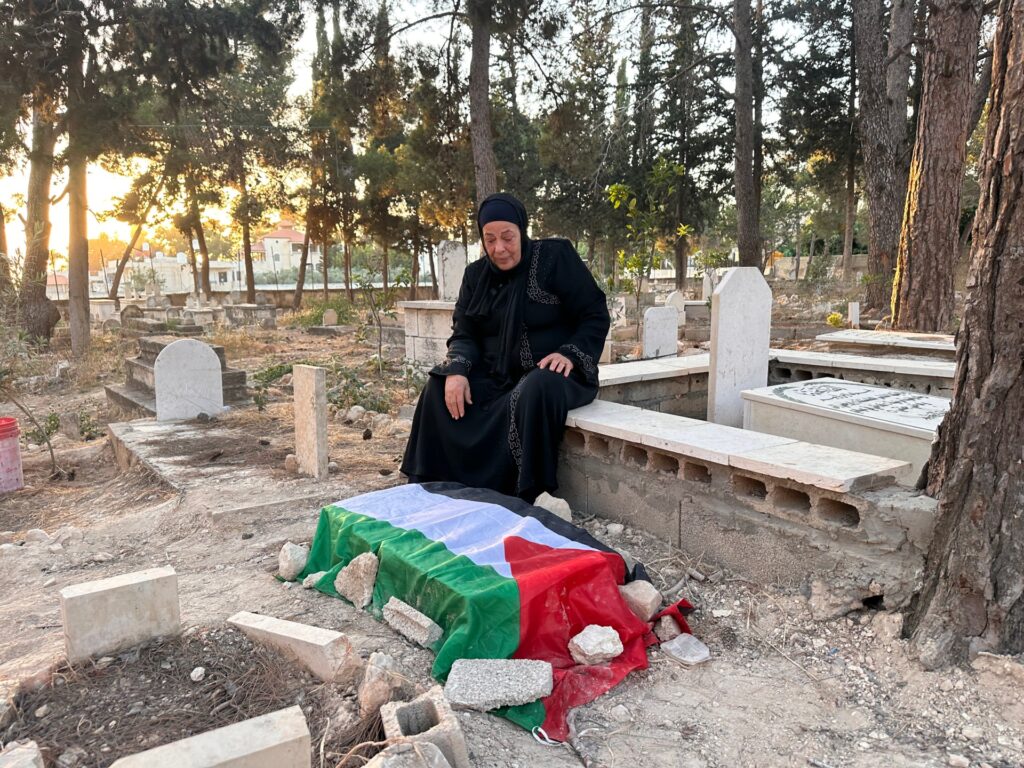
The community has mourned the loss of the infant, calling for an investigation and accountability for the tragic event. Human rights organizations have condemned the incident, emphasizing the urgent need to protect medical access in conflict areas.
This tragedy underscores the profound human cost of ongoing conflict and the necessity for urgent measures to ensure that medical services are accessible without obstruction. It also calls attention to the responsibilities of occupying forces to facilitate safe passage for emergency care.
The father’s plea, stirring and poignant, has resonated globally, highlighting the desperation and suffering endured by families caught in conflict. It is a stark reminder of the innocent lives affected and lost due to restrictions on humanitarian aid.
Officials and activists alike urge immediate action to prevent further loss of life and to uphold international humanitarian laws that guarantee the right to timely medical attention.
The loss of Ahmad Zaid serves as a somber testament to the ongoing struggles in the region and calls for renewed efforts toward peace, protection of civilians, and respect for human rights.
As investigations proceed, the global community watches closely, hoping that lessons are learned and that no more families endure such irreversible heartbreak. Ahmad’s story is a powerful call to action for all stakeholders involved in the conflict and beyond.