Tensions have escalated rapidly in the Middle East as Tehran launched attacks on Bahrain and Kuwait, following deadly U.S. raids that targeted key locations within Iran. The U.S. operations resulted in at least one confirmed fatality in the city of Iranshahr, located in the southeastern part of Iran. Additionally, the raids caused widespread power outages in the port city of Chabahar, disrupting essential services and daily life for many residents.
The sequence of events unfolded when the United States conducted precision strikes in response to what it described as imminent threats posed by Iranian-backed forces. The strikes hit strategic military installations and infrastructure, aimed at curbing hostile activities that undermine regional stability. Unfortunately, civilian casualties were reported amid these operations, fueling a surge of anger and retaliatory actions from Tehran.
In retaliation, Iran targeted Bahrain and Kuwait with missile and drone attacks, marking a significant escalation in hostilities between the involved nations. Both Bahrain and Kuwait reported damage to some of their military facilities, although there were no immediate reports of civilian casualties. Governments in the region have heightened their security alerts, fearing further escalation and potential widespread conflict.
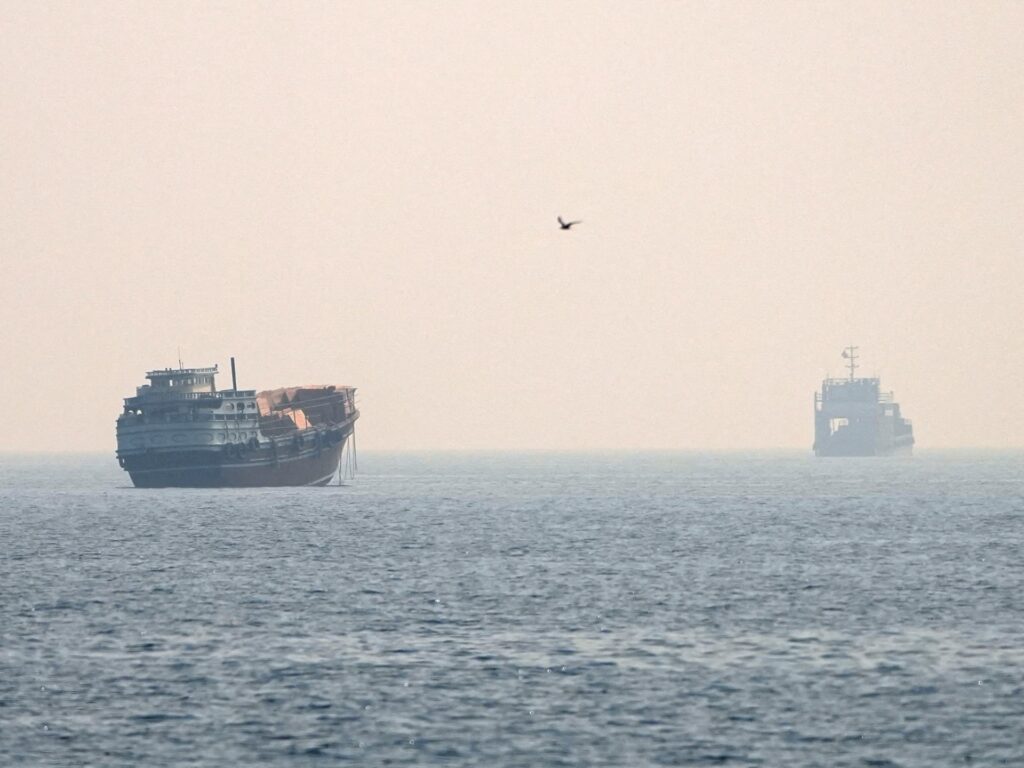
The power outages in Chabahar have severely impacted the city’s vital shipping and logistics operations. Chabahar is strategically important due to its port, which serves as a crucial trade route and economic lifeline for Iran, especially amidst international sanctions. Blackouts have affected communication networks, hospitals, and other critical infrastructure, exacerbating the humanitarian situation.
Officials in Iran have condemned the U.S. raids as violations of sovereignty and acts of aggression designed to destabilize the country. Tehran has vowed to continue its resistance against foreign interventions and to hold accountable those responsible for the strikes.
International reactions have been mixed, with some countries calling for restraint and dialogue to prevent further bloodshed, while others reaffirm their support for actions against perceived threats. The United Nations has urged all parties to exercise maximum restraint and pursue diplomatic channels.
The flare-up in conflict adds to a series of recent military engagements, including previous proxy confrontations and cyberattacks, illustrating the fragile security environment in the Gulf region. Analysts warn that without de-escalation, the confrontations could draw in other regional and global powers, leading to a broader and more dangerous conflict.
As the situation continues to develop, civilians in Iran, Bahrain, and Kuwait remain on edge, with many fearing the repercussions of the ongoing violence. Humanitarian organizations are monitoring the crisis closely, preparing to provide assistance should conditions deteriorate further.
In summary, the deadly U.S. raids on Iranian territory and the subsequent Iranian attacks on Bahrain and Kuwait have intensified hostilities in the Gulf, causing casualties, infrastructure damage, and regional instability. The international community watches cautiously, hoping for a return to peace through diplomatic efforts amidst the current turmoil.