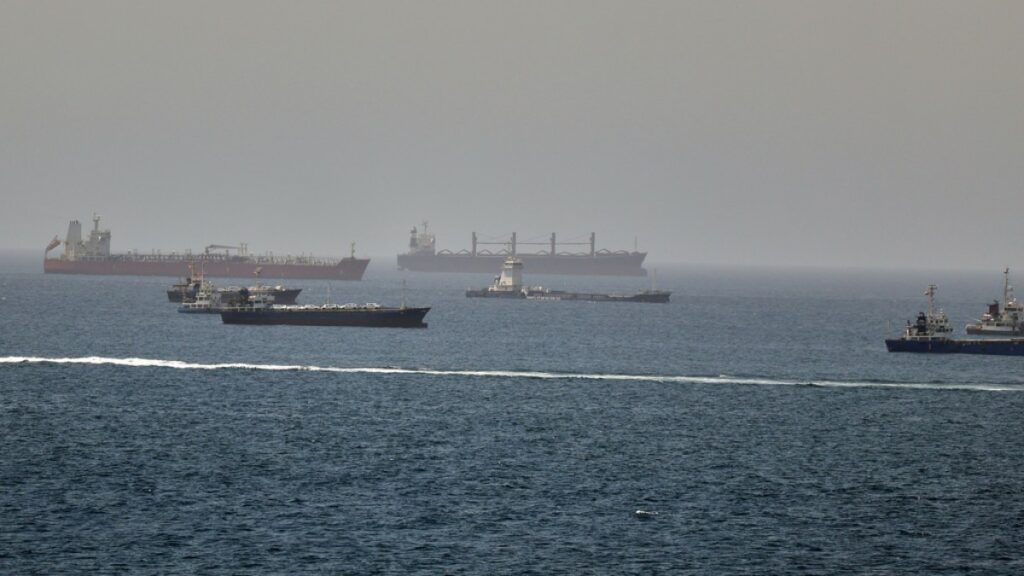
The Strait of Hormuz, a narrow but crucial waterway connecting the Persian Gulf with the Gulf of Oman and the Arabian Sea, has long been a geopolitical hotspot due to its strategic importance for global oil transportation. Recent disputes regarding control and navigation rights in this vital passage have led to an escalation of tensions between the United States and Iran, provoking the latest cycle of hostilities.
Central to the escalation is a controversial memorandum of understanding (MoU) between the parties. The language of this MoU concerning the Strait was deliberately vague, an intended ambiguity designed to leave room for negotiation. However, this vagueness instead became a source of conflicting interpretations that have fueled mistrust and aggressive posturing.
Iran insists that the MoU recognizes its right to control and secure the Strait, a critical element given that it views the Strait as a sovereign passage vital to its national security and economic lifeline. Tehran argues that its naval and paramilitary forces have authority to monitor and regulate shipping traffic.
Conversely, the United States interprets the agreement as affirming freedom of navigation for all vessels, including military ships from non-regional powers. Washington’s position focuses on ensuring uninterrupted flow of oil and international trade, emphasizing that no single nation should exert exclusive control over the Strait.
This fundamental disagreement has led to repeated confrontations at sea. Iranian Revolutionary Guard vessels have intercepted and sometimes challenged US naval ships and commercial tankers, actions perceived in Washington as provocative and potentially threatening the security of maritime routes.
Analysts highlight that the lack of clarity in the MoU’s language made these incidents almost inevitable. Both sides accused each other of violations, resulting in tit-for-tat escalations and heightened military readiness. These skirmishes risk inadvertently triggering broader conflict amid already fraught US-Iran relations.
The dispute is further complicated by the broader regional context, including conflicts in Yemen, Syria, and Iraq, where Iran and US-backed actors support opposing factions. The Strait of Hormuz remains a flashpoint that can rapidly shift from diplomatic disagreement to military confrontation.
Efforts at de-escalation have been hampered by mutual distrust and different strategic priorities. The US administration underlines the importance of holding Iran accountable for what it considers destabilizing behavior and economic coercion through sanctions, while Iran views US naval presence as an infringement on its sovereignty.
Experts suggest that resolving the dispute will require a renegotiation of agreements with clear, unequivocal terms on navigational rights, enforcement mechanisms, and crisis management protocols. Without such clarity, the region remains vulnerable to further cycles of violence.
In conclusion, the Strait of Hormuz dispute underscores how ambiguous international agreements can exacerbate tensions, especially in geopolitically sensitive areas. The ongoing US-Iran cycle of fighting revolves significantly around control, sovereignty, and freedom of navigation in this crucial maritime corridor, highlighting the urgent need for diplomatic solutions to prevent escalation and maintain regional stability.