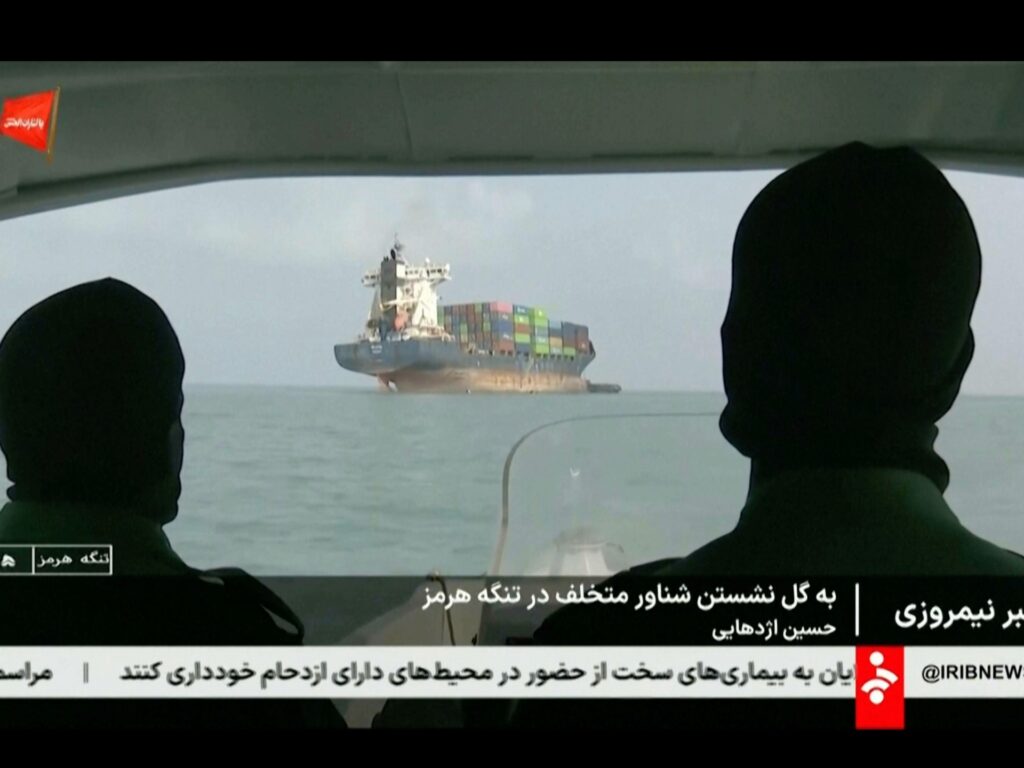
The recent resumption of strikes between the United States and Iran marks a significant escalation in tensions that had been relatively subdued since a memorandum of understanding (MoU) was signed between the two nations in June. Both sides have accused each other of violating the terms of this agreement, leading to a breakdown in trust and the restarting of hostilities.
The MoU was intended to establish a framework that would prevent further military confrontations and open channels for diplomatic engagement. However, the accusations of violations suggest that underlying issues and mistrust remain deeply entrenched in US-Iran relations. The specific breaches cited by each side have yet to be fully disclosed, but they generally revolve around military activities and proxy engagements that undermine the spirit of the agreement.
The US-Iran strikes resumption signals a potential return to a cycle of retaliation that could destabilize the region further. Historically, these strikes and counter-strikes have had far-reaching consequences, not only impacting bilateral relations but also affecting regional security dynamics across the Middle East.
For peace prospects, this development is concerning. It demonstrates the fragility of agreements made without addressing the core conflicts and mutual suspicions. The re-escalation highlights the challenges in achieving lasting peace without comprehensive dialogue and confidence-building measures that both parties can commit to.
Moreover, the strikes impact international stakeholders, including global energy markets and allied nations with vested interests in Middle Eastern stability. Renewed conflict threatens to disrupt oil supplies and increase geopolitical risks, which may prompt international diplomatic efforts to de-escalate tensions.
In summary, the resumption of US-Iran strikes following mutual accusations of MoU violations reflects the complex and volatile nature of their relationship. It underscores the importance of sincere diplomatic engagement and the need for mechanisms that ensure compliance and address underlying disputes. Without these, the path to lasting peace remains uncertain, and the risk of further conflict continues to loom large.