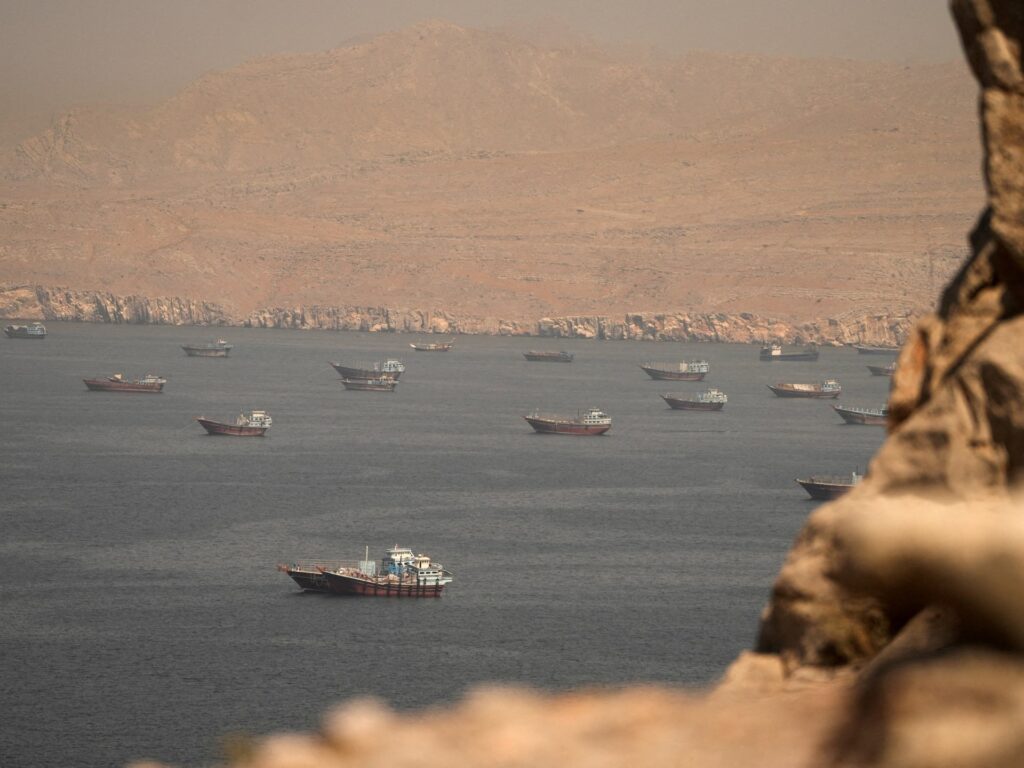
In a significant escalation of tensions in the Persian Gulf region, the United States has conducted airstrikes targeting multiple locations in Iran, including Sirik, Qeshm, and Bandar Abbas. The strikes come shortly after Washington revoked waivers that had allowed several countries to continue importing Iranian oil despite sanctions.
The U.S. attacks involved bombing runs focused on areas near the Strait of Hormuz, a vital maritime chokepoint through which a substantial portion of the world’s oil supply passes. The locations targeted — Sirik, Qeshm Island, and the port city of Bandar Abbas — are strategically important for Iran’s oil export infrastructure and naval operations.
According to reports, explosions were heard across the region following the strikes, causing significant damage and rising fears of further escalation between the two nations. The U.S. military stated that the airstrikes were retaliatory actions following a series of attacks attributed to Iranian-backed forces in the area, which America and its allies deem hostile to regional security.
The revocation of waivers marks a new phase in the U.S. campaign to pressure Iran economically by cutting off its oil revenue, which is a critical component of the Iranian economy. The administration has argued that these measures are necessary to curb Iran’s nuclear ambitions and sponsor of militant activities across the Middle East.
Tehran condemned the U.S. bombings as an act of aggression and vowed to respond decisively. Iranian officials declared that the strikes violate international law and threaten the stability of the entire Middle East region. They have simultaneously called on their allies and the global community to oppose what they describe as American belligerence.
The international response has been mixed, with some countries urging restraint and dialogue, warning that further military confrontations could destabilize global oil markets and escalate into a broader conflict. The United Nations has called for de-escalation and peaceful negotiations to address the underlying issues.
The latest U.S. military actions follow months of heightened activity in the Persian Gulf, including naval confrontations, cyberattacks, and proxy conflicts between Iranian-backed groups and U.S. forces or their allies. Experts express concern that continued escalation could lead to a wider regional war, involving multiple countries and impacting global security.
Meanwhile, oil prices surged amid fears of supply disruptions in the critical Strait of Hormuz. Market analysts warn that any prolonged hostilities could cause severe volatility in energy markets worldwide, affecting economies far beyond the Middle East.
As both sides remain firm in their positions, the world watches anxiously. Diplomatic efforts may intensify to prevent further military engagement, but for now, the region stands on a precarious edge with the potential for conflict escalating in the coming days.