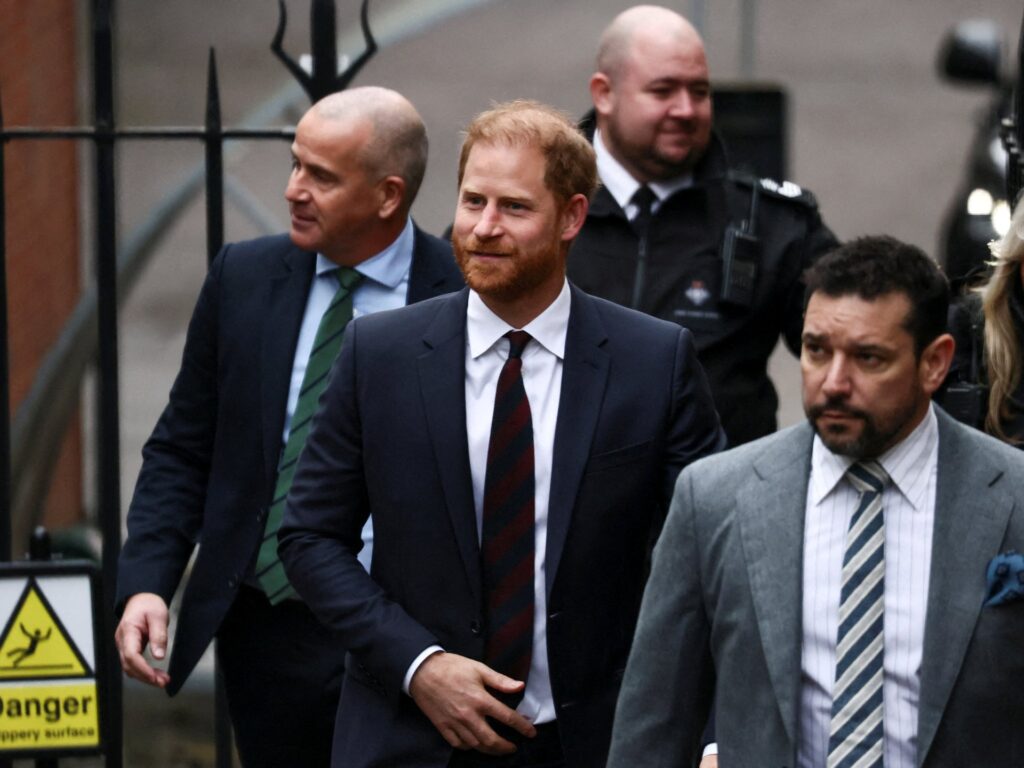
The UK High Court is set to deliver a significant ruling on a privacy case brought by Prince Harry against the publisher of the Daily Mail. The case centers on Prince Harry’s claim that the Daily Mail violated his privacy rights, highlighting ongoing tensions between the British royal family and parts of the UK media.
Prince Harry, Duke of Sussex, initiated the legal action following the publication of articles he contends contained private information and breached his right to privacy. The case reflects broader debates about the boundaries of privacy for public figures, especially members of the royal family, who often find themselves under intense media scrutiny.
The legal battle underscores concerns over press freedom and the extent to which celebrities and public personalities can protect personal details from being published. Privacy laws in the UK have been evolving, attempting to strike a balance between freedom of expression and individual rights to privacy.
The Daily Mail has been one of the UK’s most widely read newspapers, but it has also been embroiled in numerous legal controversies over its reporting methods and practices. Critics have accused it of invasive journalism, while supporters argue it serves an important role in keeping the public informed.
Prince Harry’s complaints reportedly focus on specific articles that revealed personal information without consent. His legal team argues that such publications have caused distress and infringed on his private life, which deserves protection under UK law.
This case is eagerly watched as it may set important legal precedents affecting press regulation and privacy rights for public figures. Legal analysts predict the judgment could affect how future cases involving private information and public interest are handled by courts.
If the court sides with Prince Harry, it could lead to stricter controls on media coverage regarding private lives and potentially compel media outlets to adopt more rigorous standards for verifying information before publication.
Conversely, a ruling favoring the Daily Mail might reinforce press freedoms and emphasize the need for transparency and accountability when public figures are involved, possibly encouraging more aggressive journalism.
The case also highlights ongoing challenges Prince Harry faces in managing his public image post-royal duties. Since stepping back from active royal responsibilities, both he and his wife, Meghan Markle, have contended with intense media scrutiny internationally.
This is not the first legal dispute between Prince Harry and media companies. The Duke has pursued multiple privacy-related legal actions, signaling his commitment to protecting his and his family’s private life.
The High Court’s decision is expected in the coming weeks and will be closely examined by media organizations, legal experts, privacy advocates, and supporters of royal privacy rights.
Ultimately, the ruling could influence how far media outlets in the UK can go in reporting on the personal lives of well-known personalities, setting benchmarks for privacy protections in an era of increasingly intrusive journalism.
The outcome will also contribute to ongoing discussions about the balance between a free press and respecting individual privacy, shaping media practices and legal standards for years to come.