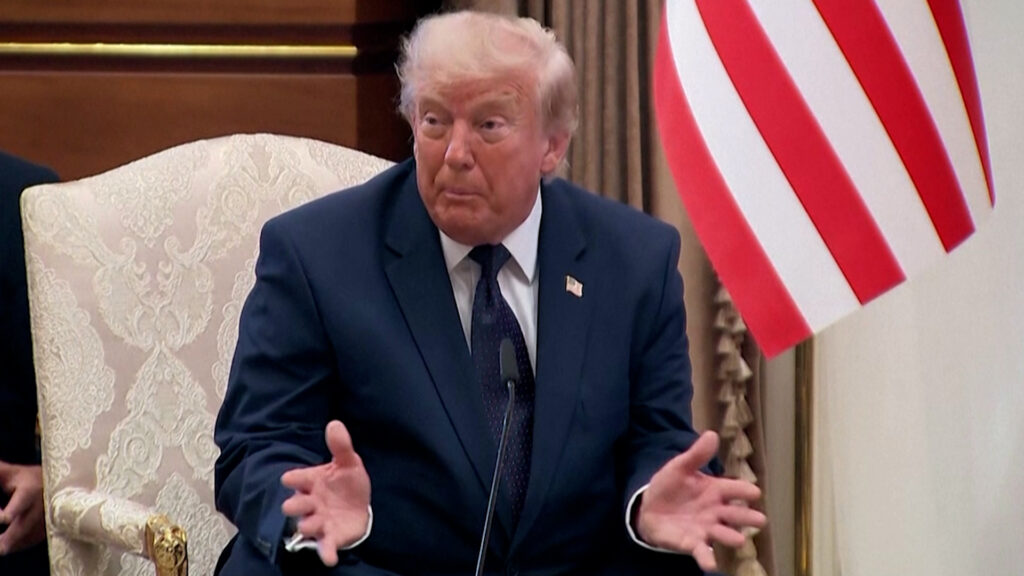
US President Donald Trump has openly criticized NATO allies for their refusal to support the United States during its recent conflict with Iran. The confrontation, which heightened tensions in the Middle East, saw the US engaged in aggressive military and diplomatic actions aimed at curbing Iran’s influence in the region. Trump expressed frustration over what he perceives as a lack of solidarity and shared responsibility among NATO members, emphasizing that such alliances are built on mutual cooperation and support in times of geopolitical crises.
The critique comes after several NATO countries declined to back the US stance or participate in any joint military measures against Iran, citing concerns over escalating conflict and the desire to pursue diplomatic solutions. This divergence highlights the complex dynamics within the NATO alliance, where member states prioritize their own foreign policies and regional interests, sometimes at odds with American directives.
Trump’s comments underline the challenges faced in maintaining strong international coalitions, especially when dealing with contentious issues like Iran’s nuclear program and regional behavior. Despite the US being a dominant military power within NATO, the differing approaches to Iran showcase the limits of American influence in shaping unified action among NATO allies.
The tension between the US and its NATO partners over support in the Iran conflict reflects broader geopolitical shifts and the difficulty of balancing national interests with alliance commitments. It also poses questions about the future of NATO as a cohesive security alliance in an increasingly multipolar world. Analysts suggest that such incidents could prompt NATO members to reassess their roles and strategies in global security matters, potentially leading to a recalibration of the alliance’s priorities and operational frameworks.
In response to Trump’s criticism, several NATO officials have reiterated their commitment to collective defense but emphasized the importance of a measured approach to conflicts involving Iran. They advocate for resolving disputes through diplomacy and caution against unilateral military actions that could destabilize the region further.
The dispute also highlights the broader challenge the US faces in managing alliance relationships amid evolving global threats. As the US pushes for a tougher stance on Iran, it must also navigate the diverse perspectives within its alliances, balancing assertive policies with the need for coalition unity.
Overall, Trump’s remarks have sparked renewed debate on the nature of international alliances and the expectations placed on member countries during crises. The situation underscores the ongoing tensions between national sovereignty and collective security, which remain central issues for NATO and its member states moving forward.