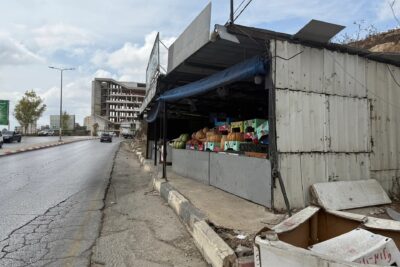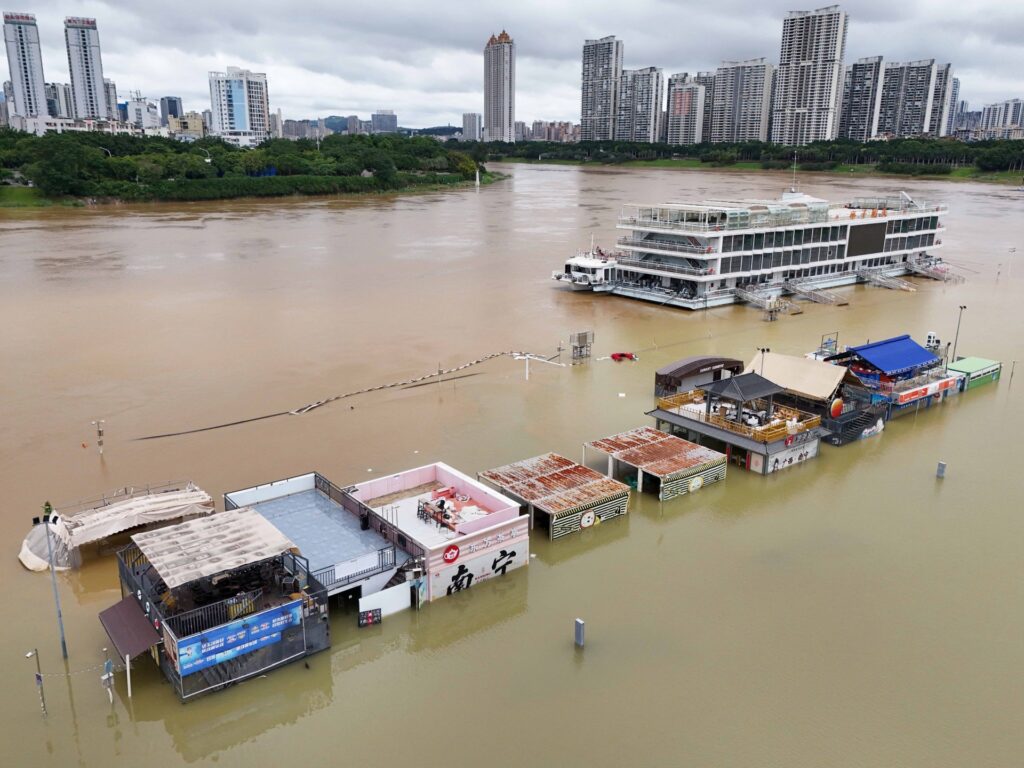
Central China is grappling with the aftermath of devastating tornadoes that have claimed at least 17 lives. The destructive storms struck predominantly in southern Guangxi and central Hubei provinces, regions already vulnerable due to their geographic and climatic conditions. The tornadoes unleashed severe rain and fierce winds, causing widespread damage to homes, infrastructure, and agricultural lands.
The Chinese government has responded swiftly to the tragedy. President Xi Jinping has called for an ‘all out’ emergency response to manage the crisis and aid recovery efforts. This strong leadership directive signals the urgency and seriousness with which the situation is being handled at the highest level.
Local emergency services have been mobilized for search, rescue, and relief operations. Authorities are prioritizing the rescue of survivors, clearing debris, and restoring essential services such as electricity and water supply. Hospitals in the affected areas are on high alert to treat the injured, while temporary shelters have been established for thousands of displaced residents.
This natural disaster comes at a precarious time as the region prepares for the approach of Typhoon Bavi, which is currently looming offshore. Meteorological agencies have warned that Bavi may bring additional heavy rains, strong winds, and the risk of flooding that could exacerbate the already dire situation.
Typhoon Bavi is expected to affect coastal and inland areas, potentially impacting emergency response capabilities and complicating recovery efforts. Residents have been advised to stay alert, heed evacuation orders where necessary, and secure property against the approaching storm.
The combination of tornadic activity followed by the threat of a major typhoon presents a significant challenge to disaster management officials. The Chinese government is coordinating with meteorological experts, disaster response teams, and local authorities to mitigate risks and prepare the population for possible intensified weather conditions.
Environmental and climate experts have noted that such extreme weather events could be linked to broader climate change patterns, emphasizing the need for improved infrastructure and disaster preparedness.
Humanitarian organizations are also stepping in to provide aid and support to those affected by the tornadoes. Donations of food, water, medical supplies, and temporary housing aid are being coordinated to help cope with the immediate aftermath and the possible escalation due to Typhoon Bavi.
Community solidarity is being demonstrated across the provinces as citizens come together to support the victims and rebuild damaged neighborhoods. Volunteers and local leaders are spearheading grassroots efforts alongside official channels.
This disaster serves as a somber reminder of the destructive power of natural forces and underscores the critical importance of robust emergency planning and climate adaptation strategies to safeguard lives and livelihoods.
As China confronts this dual weather threat, the world watches with hope for a swift recovery and diminished impact from the looming typhoon. The resilience and readiness of the affected communities and the national leadership’s determined response remain key to overcoming the challenges ahead.