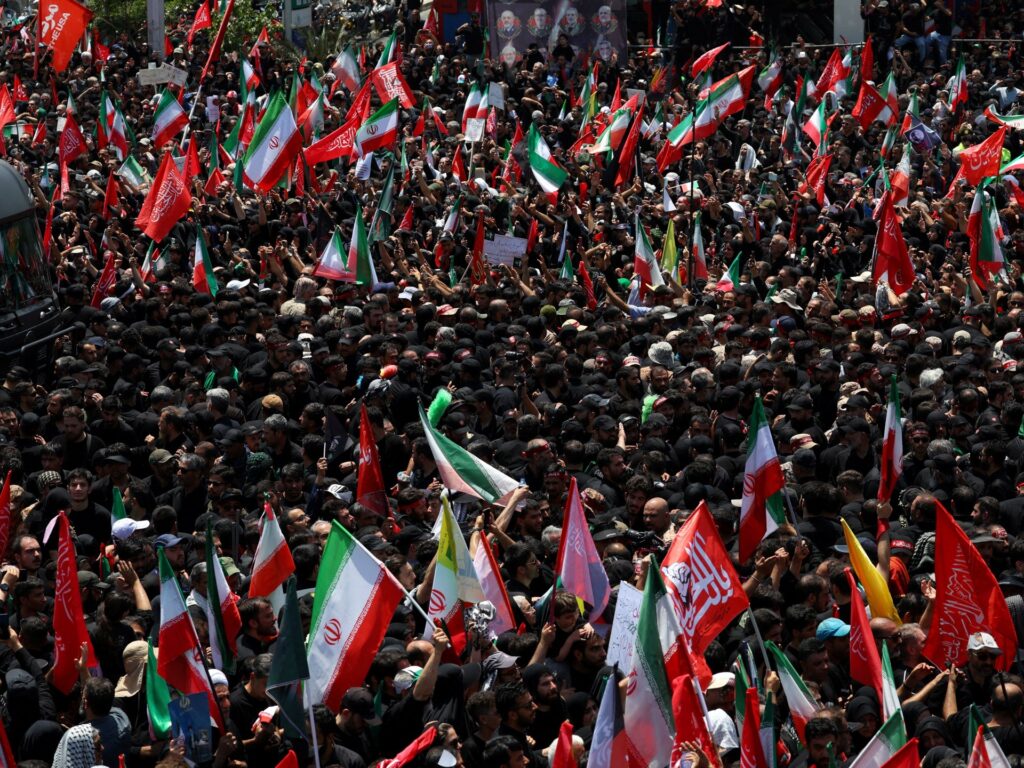
In a significant development unfolding in Iran, the funeral of Supreme Leader Ayatollah Ali Khamenei is currently underway in the holy city of Qom. This event marks a somber moment for the nation, reflecting on the life and leadership of one of its most influential figures.
Parallel to the ceremonies in Qom, tensions in the region have been exacerbated by an alarming incident off the coast of Oman. The United Kingdom’s maritime agency has reported that an ‘unknown projectile’ struck a tanker near the strategic Strait of Hormuz. This attack resulted in a fire onboard the vessel, raising immediate concerns about the safety of maritime traffic in this crucial waterway.
The Strait of Hormuz is a vital route for global oil shipments, and any disruptions here can have far-reaching implications for international energy markets and regional security. The nature of the projectile and the identity of the attackers remain unidentified, prompting investigations and increasing the geopolitical strain.
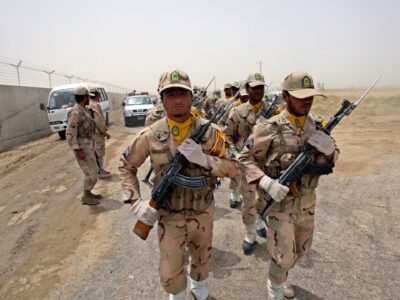
Iran’s political landscape is currently fragile, with the nation witnessing a period of mourning that coincides with heightened military alerts along its borders and coastal areas. The combination of Khamenei’s funeral gathering and the attack near Hormuz presents a complex security scenario, as Iran navigates internal transition and external threats.
International actors are closely monitoring the situation, with calls for restraint and diplomatic engagement to prevent further escalation. The incident highlights the volatility of the Persian Gulf region and underscores the global stakes tied to its stability.
In summary, Iran finds itself at a crossroads, balancing the reverence for a pivotal national leader with the immediacy of a maritime security crisis. The ongoing funeral in Qom and the sudden attack off Oman serve as reminders of the intertwined nature of national mourning and geopolitical tension, encapsulating a critical moment in Middle Eastern affairs.