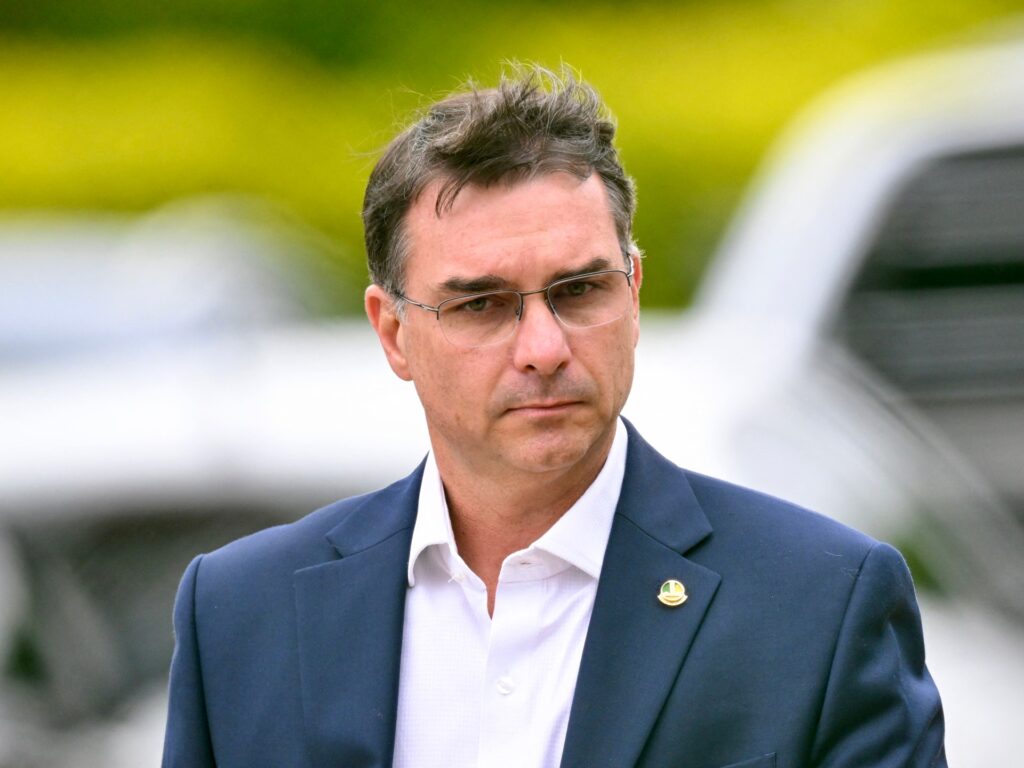
Flavio Bolsonaro, son of former Brazilian President Jair Bolsonaro and a current presidential hopeful, has made a public appeal to then-US President Donald Trump to postpone the implementation of tariffs on Brazil until after the Brazilian elections. This request comes amid rising tensions between the two countries concerning trade policies. The proposed tariffs by the United States have been a significant point of contention, with concerns raised about their impact on Brazil’s economy, especially in the agricultural sector.
President Lula, the incumbent Brazilian president, has openly criticized Flavio Bolsonaro, accusing him of playing a role in precipitating the US tariff threat. Lula’s comments suggest that the political maneuvers and rhetoric associated with Bolsonaro’s camp may have contributed to the strained trade relations, which led to the tariff proposals.
The situation unfolds against the backdrop of Brazil’s upcoming elections, where Jair Bolsonaro’s son is vying for public office. The timing of the tariff announcement and Flavio’s appeal to delay them highlight the complex interplay between domestic politics and international trade dynamics. Experts suggest that the tariffs could have significant economic consequences for Brazil, potentially affecting key sectors and the broader market confidence.
Flavio Bolsonaro’s request to President Trump underscores the political stakes and the efforts by Bolsonaro’s supporters to mitigate economic disruptions that could influence voter sentiment. Meanwhile, President Lula’s accusations reflect the deep political divisions within Brazil and the international ramifications of domestic political rivalries.
The US decision on tariffs remains a critical issue for Brazil’s economy and its political landscape. Observers are closely watching how Washington will respond to the appeal and the implications it will have on bilateral relations. The developments serve as a reminder of how international trade policies can intersect with electoral politics, influencing outcomes and strategic alliances. As the election approaches, the dialogue around tariffs is likely to intensify, with all parties seeking to safeguard their interests amid the ongoing political contest.