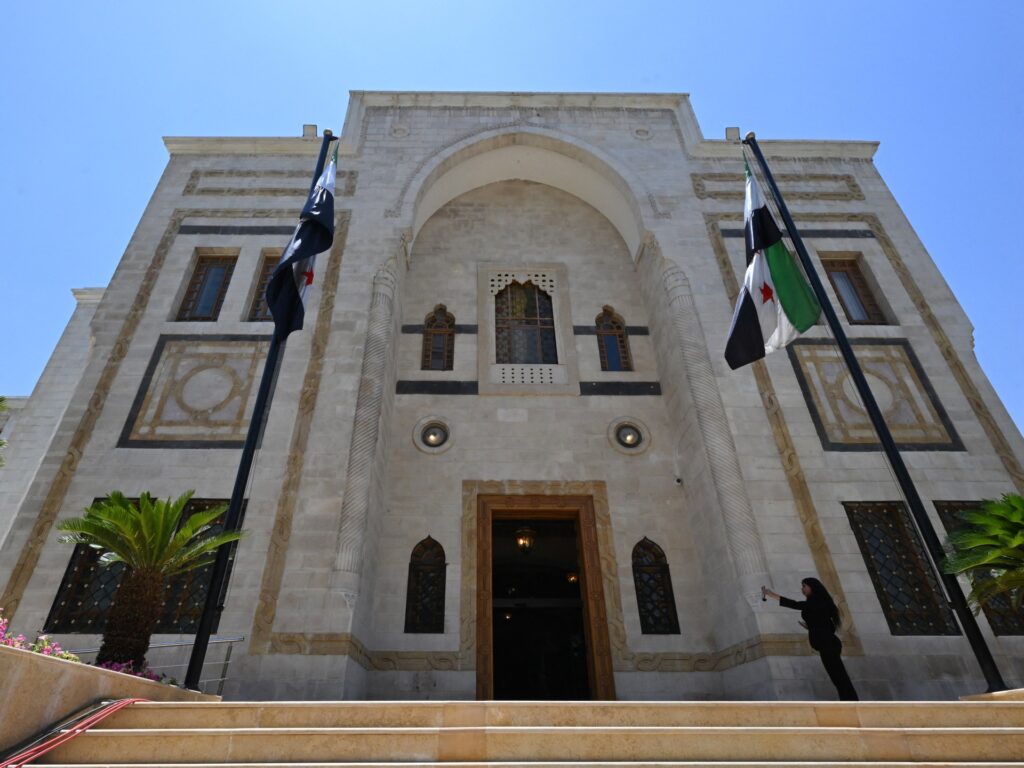
Syria has delayed the inaugural session of its transitional parliament without providing any explanation, raising questions and concerns among observers both within and outside the country. The transitional parliament was established with the critical aim of drafting a new elections law that is expected to guide the nation’s political process during its anticipated 30-month term.
The delay has led to speculation about the underlying reasons for the postponement, as the nation continues to face complex challenges on political, social, and security fronts. The transitional parliament represents a significant step in Syria’s political roadmap, intended to pave the way toward more stable governance and future elections.
According to the transitional setup, the parliament will function for approximately two and a half years (30 months), during which it is responsible for framing and enacting a new elections law. This law is seen as pivotal to reshaping Syria’s electoral process and potentially fostering more transparent and democratic elections in the future.
Despite the delay, the transitional parliament remains a critical institution in Syria’s ongoing efforts to rebuild and reform its political structure. The postponement, however, diminishes the momentum and raises concerns about political stability and the effectiveness of the transitional government.
Stakeholders are closely monitoring developments, hoping for clarity and a swift resumption of parliamentary activities. The international community has emphasized the importance of adhering to the agreed political process timelines to ensure progress toward peace and democratic governance.
The lack of an official explanation for the delay leaves room for speculation about internal disagreements, external pressures, or logistical challenges. Syria continues to navigate a complex geopolitical landscape, with various domestic and international actors influencing the political environment.
The successful convening of the transitional parliament and the enactment of the new elections law are viewed as essential milestones in the broader peace process and reconstruction efforts. Observers hope that the delay is temporary and that the parliament can soon commence its duties without further setbacks.
In summary, Syria’s decision to delay the first session of its transitional parliament without explanation is a setback in its political timeline. The parliament’s primary task will be to draft a new elections law over its 30-month term, which is crucial for the country’s democratic transition. The international community and Syrian stakeholders alike await further developments, emphasizing the need for transparency and adherence to timelines to foster stability and democratic progress.