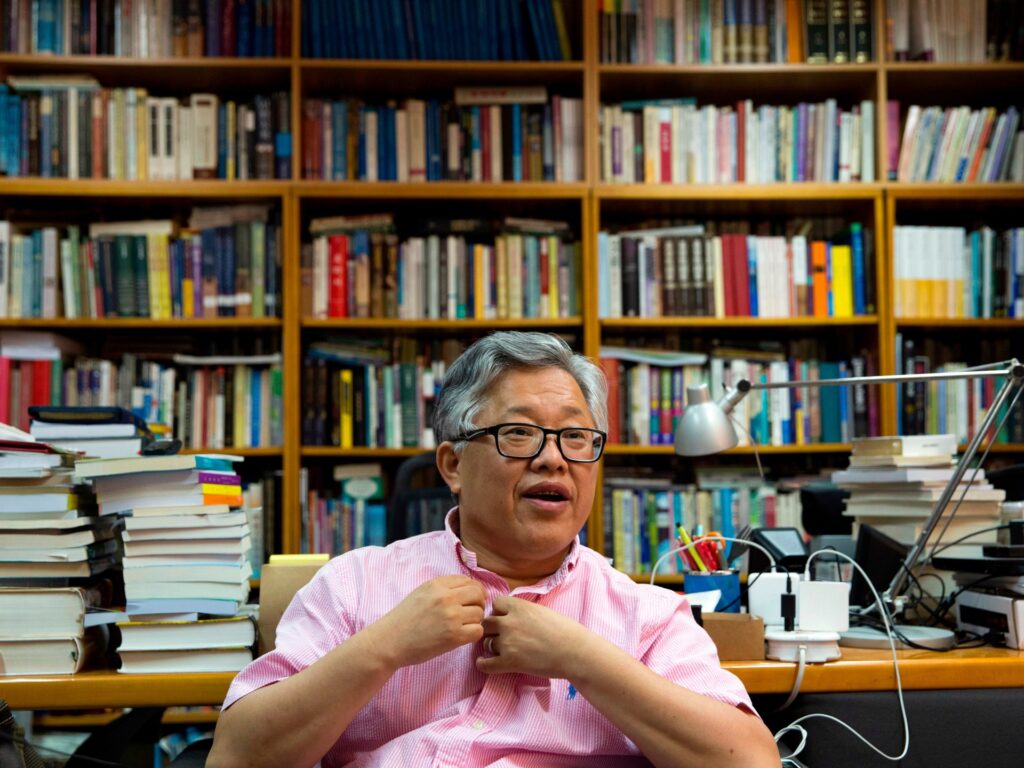
Ezra Jin, the founder of the Zion Church in China, has been released after enduring months of detention by Chinese authorities. This development comes as a significant event amid ongoing tensions between religious groups and the Chinese government.
Jin, a prominent underground church leader, reportedly arrived in the United States shortly after his release. His family confirmed his safe arrival, bringing relief and hope to many supporters who have been advocating for his freedom.
The Zion Church was part of China’s extensive network of underground Christian congregations, which operate without official government approval. These churches often face scrutiny and suppression due to stringent religious regulations imposed by the state.
Detention of religious leaders like Jin has drawn international concern regarding religious freedom and human rights in China. The government’s strict control over religious practices has led to repeated crackdowns against unregistered churches and their members.
Ezra Jin’s case highlights the broader challenges faced by underground Christian communities striving to practice their faith. The Chinese authorities’ actions often include raids, arrests, and prolonged detentions aimed at dismantling these groups.
Advocates for religious freedom see Jin’s release as a positive, albeit cautious, indication of possible shifts in policy or increased international pressure influencing Beijing’s approach.
Since his detention, Qin’s family and human rights organizations had repeatedly called for his release. His transfer to the United States marks a new chapter, as he may now continue his religious work without fear of persecution.
The circumstances surrounding Jin’s detention remain unclear, with limited information released about the specific charges or conditions. However, his experience underscores the fragile state of religious liberties within China.
Internationally, reactions to Jin’s release have been mixed, with some praising the move as a step toward respect for religious rights, while others view it as a rare exception rather than a shift in China’s overall stance.
Jin’s story sheds light on the ongoing struggles between the Chinese government and faith communities, where underground churches strive to maintain their identities despite facing significant adversity.
The Zion Church founder’s arrival in the US opens up possibilities for him to share his experiences and advocate for underground churches still operating under threat in China.
His case may inspire global conversations about religious freedom, human rights, and the role of international diplomacy in addressing these issues.
While his release is welcomed, many activists stress that the work to ensure freedom of belief in China continues, with numerous others still detained or persecuted.
Ezra Jin’s journey from detention to freedom serves as a poignant reminder of the resilience of faith communities and the ongoing need for vigilance and advocacy to protect religious rights worldwide.