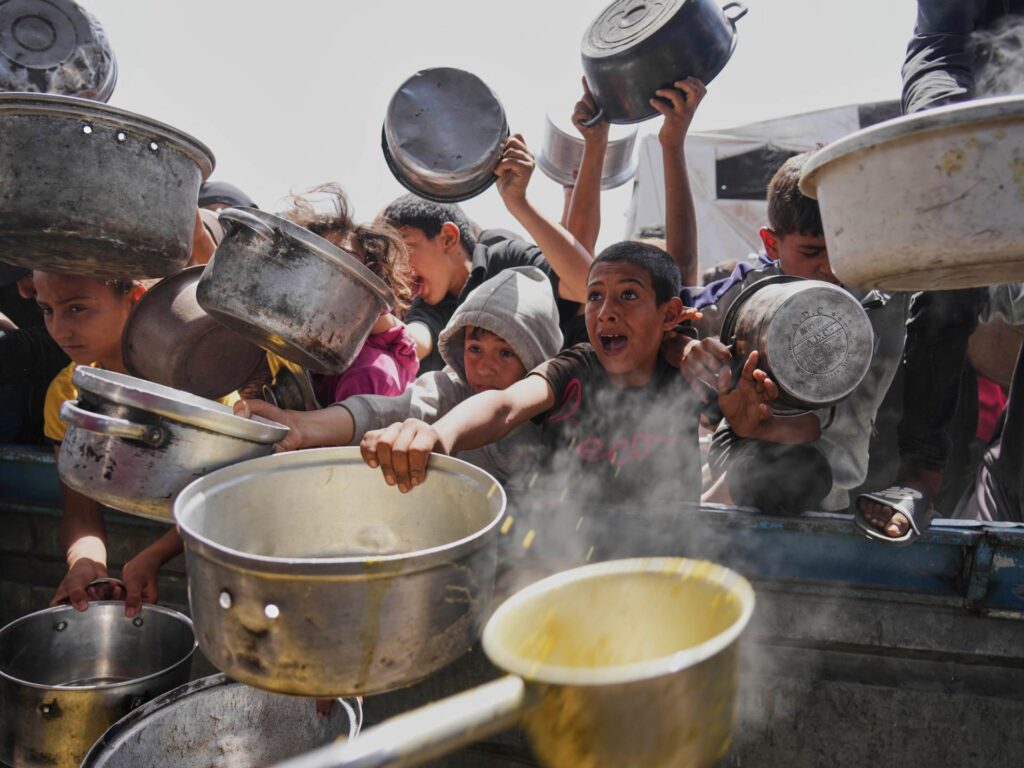
The prospect of Israel building settlements in Gaza has reignited intense debate amid the backdrop of a devastating war described by many as genocidal, combined with a severe famine crisis. Leading Israeli politicians have recently articulated a willingness to settle Gaza, a statement that raises complex questions about the feasibility and implications of such a move.
Gaza, a densely populated coastal enclave, has been a focal point of conflict for decades. It has been subject to blockades, military operations, and humanitarian crises that have severely impacted its population. The recent war devastated the area, resulting in immense loss of life and infrastructure damage, further exacerbating an already precarious humanitarian situation.
Israeli settlements in Palestinian territories have historically been a contentious issue, primarily concentrated in the West Bank. The Gaza Strip, from which Israel disengaged unilaterally in 2005, represents a different challenge altogether due to its dense population and political complexity.
Proponents within Israel argue that re-establishing settlements in Gaza could serve strategic and security objectives. These include establishing a stronger Israeli presence and control in the territory following the aftermath of conflict. Politicians promoting this idea often present it as a way to secure Israeli interests and prevent hostile control of the region.
However, the practical obstacles to building settlements in Gaza are significant. The area’s infrastructure lies in ruins, the population is suffering from famine and displacement, and political volatility remains extremely high. Any attempt to establish settlements amidst these conditions would require substantial resources, security guarantees, and a long-term strategy to manage relations with the local population.
Moreover, such moves would likely draw international condemnation and complicate prospects for peace. The international community largely views Gaza as occupied Palestinian territory, with calls for respect for human rights and humanitarian law. Settlements in Gaza could be seen as a violation of these principles, undermining Israel’s diplomatic standing.
Critics highlight the humanitarian cost, emphasizing that the region’s fragile population needs aid, reconstruction, and political solutions rather than further settlement expansion. They warn about exacerbating tensions and perpetuating cycles of violence if such a policy were pursued.
In conclusion, while some Israeli political figures express readiness to settle Gaza following a brutal conflict and famine, the reality is fraught with complexity. The prospects for Israeli settlements in Gaza are constrained by humanitarian, political, legal, and logistical hurdles. The future of Gaza remains uncertain, with peace and stability hinging on negotiated solutions rather than unilateral settlement efforts.
This multifaceted issue continues to evolve, with the international community watching closely as events unfold.