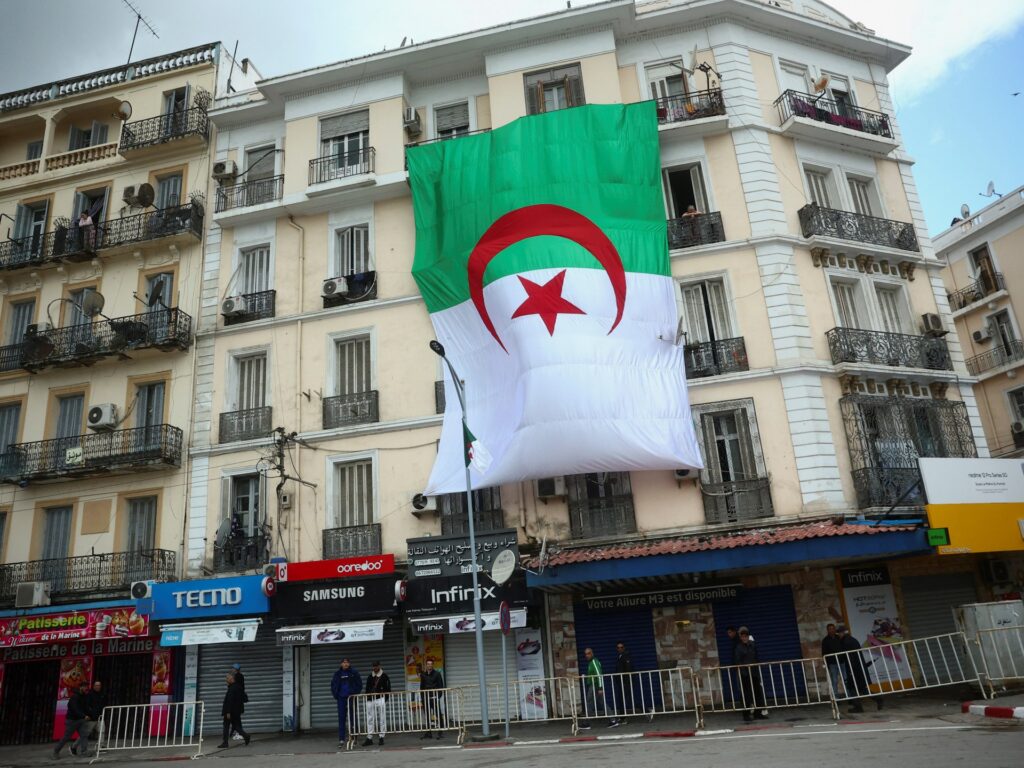
Algeria is preparing to hold legislative elections that are seen as a critical test for the country’s evolving political landscape in the aftermath of the Hirak protest movement. The elections come amid ongoing debates concerning the pace and depth of political reforms, voter turnout, and the broader implications for stability in the nation.
The Hirak movement, which began in 2019, was a widespread popular protest against the long-standing political establishment and has since significantly influenced Algeria’s political dynamics. The movement led to the resignation of President Abdelaziz Bouteflika but left questions about substantive changes in governance and democratic practices.
As Algeria approaches its legislative elections, the government and political actors are under scrutiny to see whether they can respond effectively to the demands for reform voiced by the Hirak movement. Key issues in the elections include transparency, openness of political competition, and the degree of public engagement.
There is considerable debate regarding voter turnout. Past elections have seen relatively low participation rates, raising concerns about the legitimacy and representativeness of elected officials. Observers and civil society groups emphasize that high turnout would signal greater public trust and investment in the political process.
The political stability of Algeria hinges on the outcomes of these elections. While the government seeks to portray a stable and reform-oriented image, opposition groups and independents argue that genuine change requires dismantling entrenched interests and ensuring political freedoms.
In addition to domestic political concerns, regional dynamics also play a role. Algeria’s position in North Africa and its relationships with neighboring countries affect both its internal policies and its strategic choices during this period of political transition.
The elections are thus more than a routine democratic exercise; they represent a litmus test for Algeria’s commitment to political reform and the ability of the post-Hirak government to navigate the demands of its citizenry.
International observers and local stakeholders alike will be watching the electoral process closely, assessing not just the results but the fairness and transparency of the election proceedings.
In summary, Algeria’s legislative elections carry significant implications for the country’s political future. They are a referendum not only on the current political players but also on the larger aspirations of Algerian society for a more inclusive and democratic political framework. The world waits to see whether the election will usher in a new era of reform or reinforce the status quo.