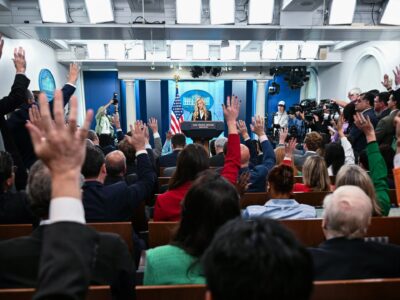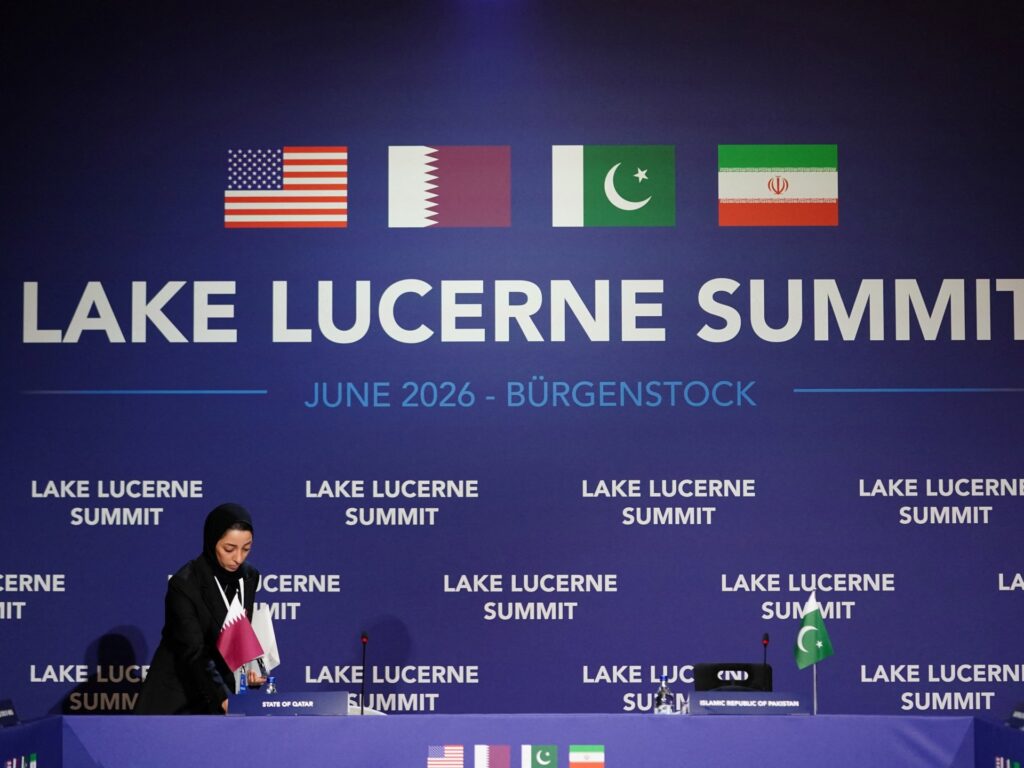
In a surprising diplomatic move, US President Donald Trump has announced that he will hold a meeting with Iranian officials in Qatar. The discussions are scheduled to take place on Tuesday, signaling a willingness to engage in dialogue despite recent escalations in military tensions between the two nations.
This announcement comes at a time of heightened conflict, where both the United States and Iran have been involved in a series of skirmishes that have raised concerns about a potential large-scale confrontation. The exact agenda for the talks has not been detailed by the White House, but the meeting is expected to focus on de-escalation and pathways toward more peaceful relations.
While President Trump has confirmed the arrangement publicly, Iranian authorities have remained silent and have not yet confirmed their participation in the talks planned to be held in Doha, Qatar’s capital. This lack of confirmation has added a layer of uncertainty regarding the outcome and even the occurrence of the meeting.
Analysts see the proposed talks as a potential breakthrough in US-Iran relations, which have been strained heavily in recent years due to issues including nuclear development, sanctions, and regional proxy conflicts. The situation in the Middle East is volatile, and both countries face international pressure to avoid further military confrontations.
Qatar’s role as the host for the talks highlights its strategic position as a mediator in Middle Eastern affairs. The country has previously facilitated crucial negotiations in the region, leveraging its diplomatic relationships with various stakeholders to foster dialogue.
Government officials from the United States have conveyed that the Trump administration is prepared to explore all diplomatic options in managing the complex relationship with Tehran. Given the history of mistrust and conflict, these talks could mark a significant step towards reducing hostilities.
Furthermore, this meeting announcement underscores a broader shift in the US administration’s approach to dealing with Iran, moving from purely confrontational tactics toward engagement and negotiation. However, the success of these talks will largely depend on Iran’s willingness to participate and commit to constructive discussions.
The international community is watching closely, with many nations hopeful that dialogue will pave the way for peaceful resolutions and stability in the region. The outcome of the meeting, if it occurs, could influence geopolitical dynamics significantly.
In conclusion, President Trump’s announcement of upcoming talks with Iran in Qatar, despite ongoing military skirmishes, reflects a complex and evolving diplomatic landscape. The situation remains fluid, and much will depend on the responses from both Tehran and other key global actors in the days ahead.