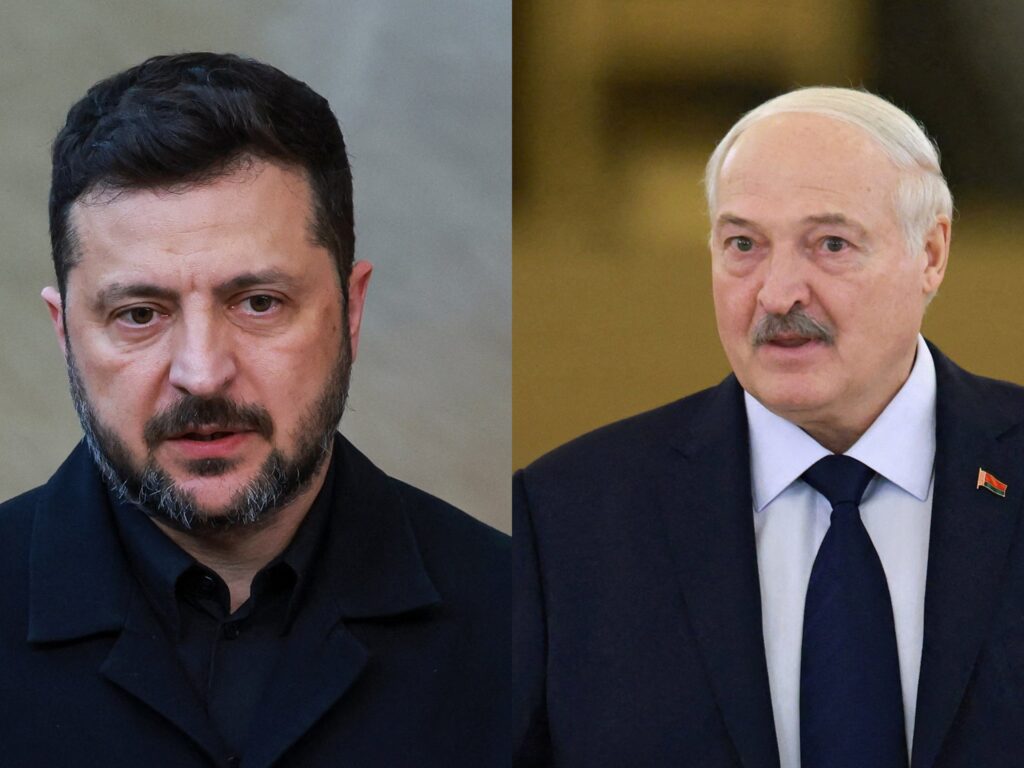
In a significant political development, Ukraine has secured a decisive concession from Belarus following an ultimatum issued by President Volodymyr Zelenskyy. Zelenskyy demanded that Belarusian President Alexander Lukashenko shut down Russian-installed stations on Belarusian soil, warning that failure to do so would compel Ukraine to take matters into its own hands.
The ultimatum came amid escalating tensions in the region, with Ukraine highlighting the strategic threat posed by the Russian infrastructure operating in Belarus. These stations, critics argue, serve as forward bases that could facilitate potential military actions or interference in Ukrainian affairs.
President Zelenskyy’s firm stance underscored Ukraine’s growing assertiveness and resolve to defend its sovereignty and territorial integrity. The demand was clear: Belarus must either dismantle the Russian stations or face direct consequences from Ukraine.
After intense diplomatic pressure and international scrutiny, Lukashenko agreed to the closure of these installations, signaling a rare acquiescence to Ukrainian demands. This move has been hailed as a political victory for Ukraine and President Zelenskyy.
The decision by Belarus marks an important shift in regional dynamics, reflecting the complex interplay of alliances and strategic calculations. Lukashenko’s concession to Zelenskyy’s ultimatum indicates Belarus’s desire to avoid deeper entanglement in the conflict and to maintain a degree of diplomatic neutrality despite its ties to Russia.
Analysts suggest that Ukraine’s success in this instance strengthens its geopolitical position while sending a message to Russia and its allies about the limits of their influence in neighboring countries. It also highlights the effectiveness of Ukraine’s leadership style, combining diplomatic pressure with the implicit readiness to act unilaterally if necessary.
The closure of the Russian stations in Belarus is expected to reduce the immediate threat of Russian military operations against Ukraine from northern routes and improve security for Ukrainian border areas.
This development comes at a time when Ukraine is bolstering its defenses and seeking greater support from the international community. The demonstration of resolve by President Zelenskyy has been widely praised by Western leaders and could enhance Ukraine’s leverage in ongoing negotiations and international forums.
However, experts caution that while this is a tactical victory, the broader geopolitical struggle in Eastern Europe remains complex and fluid. Belarus’s cooperation may be limited and conditional, and the situation requires ongoing vigilance and diplomatic engagement.
In summary, Ukraine’s confrontation with Belarus over the presence of Russian infrastructure has resulted in a tangible diplomatic win, reflecting President Zelenskyy’s leadership and the country’s steadfast commitment to safeguarding its sovereignty. The closure of the Russian stations on Belarusian territory marks a notable step forward in Ukraine’s broader efforts to counter regional threats and secure its borders amid ongoing conflict.