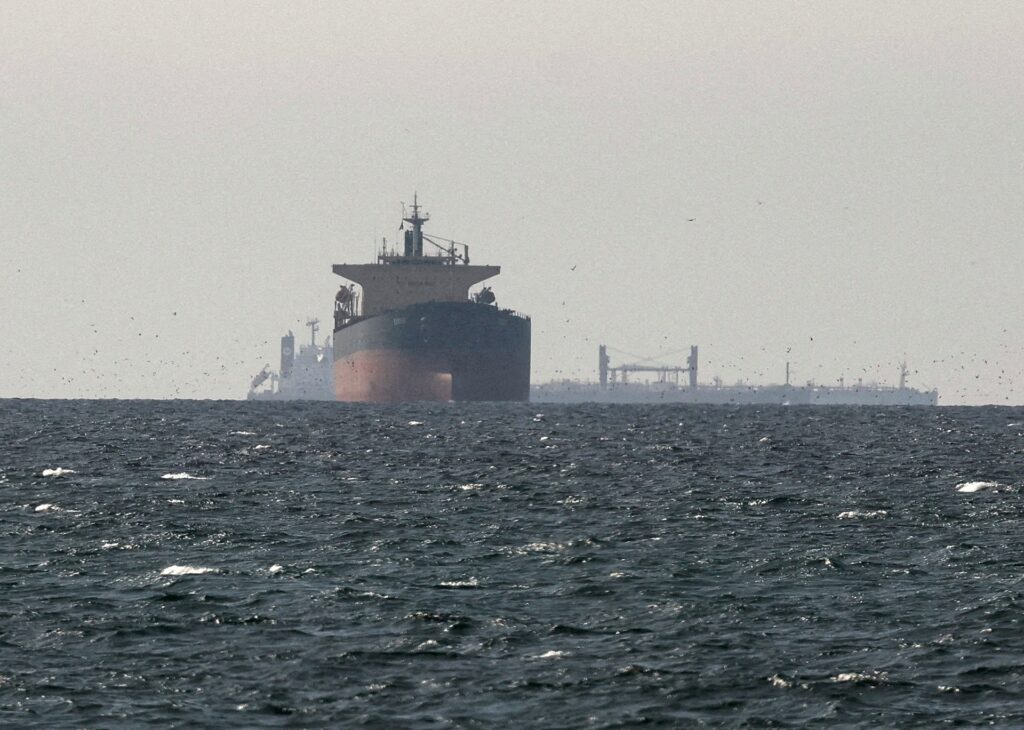
The Strait of Hormuz, a critical maritime chokepoint through which a substantial portion of the world’s oil supply passes, has long been a hotspot for geopolitical tension, especially between Iran and the United States. Central to the recent escalation in tensions are disputes surrounding Article 5 of the Memorandum of Understanding (MoU) between Iran and the US regarding navigation through these strategically vital waters.
Article 5 of the Iran-US MoU specifically addresses the rules and protocols governing the passage of military and civilian vessels through the Strait of Hormuz. The article was originally designed to ensure safe and orderly navigation in this narrow and highly trafficked waterway, aiming to prevent misunderstandings and reduce the risk of military confrontation.
However, the implementation and interpretation of Article 5 have become contentious. Iran accuses the US of violating the terms by conducting what it views as aggressive naval maneuvers and freedom of navigation operations near Iranian waters. Tehran claims that these actions threaten Iranian sovereignty and security, justifying their increased military presence and defensive measures in the strait.
Conversely, the US contends that its naval operations are lawful exercises of freedom of navigation and international maritime rights. Washington accuses Iran of using Article 5 as a pretext to justify aggressive behavior, including harassing commercial vessels and conducting missile strikes near the strait.
The blame for recent strikes and skirmishes in the Strait of Hormuz often centers on the perceived violations of Article 5. Iranian forces believe that US naval presence and operations provoke and justify their own defensive responses. On the other hand, the US views Iran’s actions as destabilizing and threatening to the security of international shipping lanes.
This deadlock has sparked a series of tit-for-tat incidents, including missile launches, seizure of vessels, and threats to close the strait, all exacerbating tensions and raising fears of a broader conflict. The ongoing struggle over interpreting and enforcing Article 5 underscores the challenge of managing navigation rights and maritime security in one of the world’s most geopolitically sensitive regions.
In summary, Article 5 of the Iran-US MoU was intended as a framework to ensure peaceful navigation through the Strait of Hormuz, yet it has become a focal point of blame amid escalating military confrontations. The mutual accusations and misunderstandings surrounding this provision continue to fuel the cycle of hostility, making resolution critical to regional stability and global energy security.