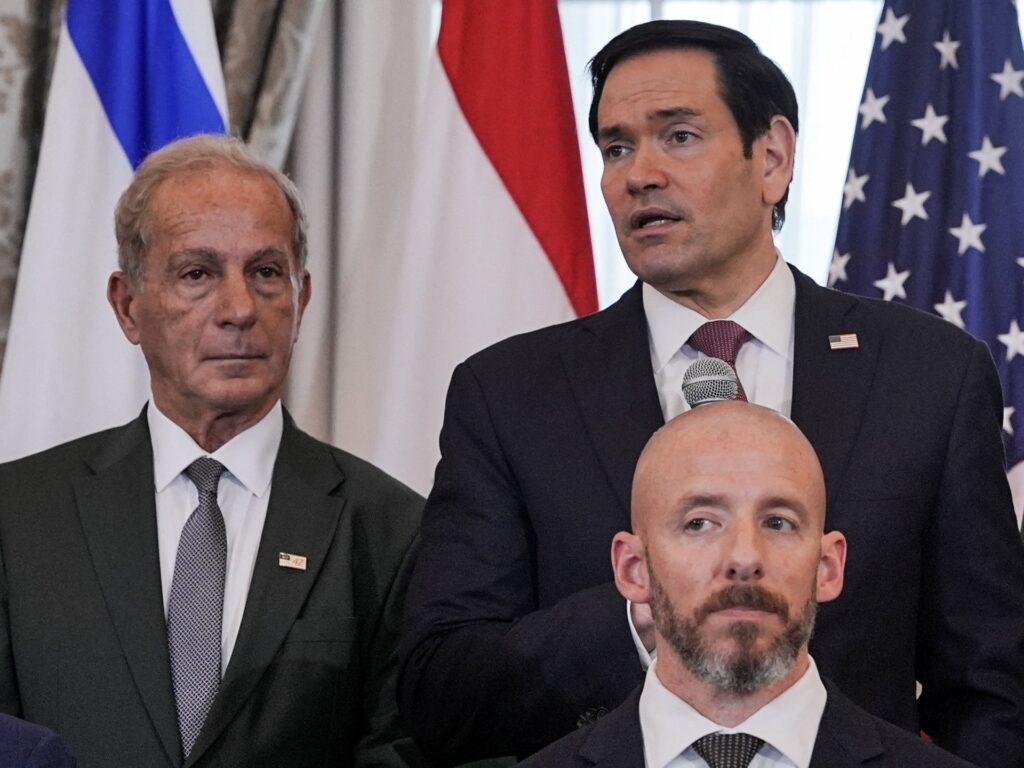
The recent framework agreement signed between Israel, Lebanon, and the United States aims to end hostilities between Israel and Hezbollah, marking a significant diplomatic effort in a historically volatile region. This agreement is designed to stabilize the tense relationship, potentially paving the way for peace and economic benefits through clearer borders and reduced conflicts.
From the perspective of Israel, this framework agreement is cautiously welcomed as a pragmatic approach to prevent further escalations and attacks from Hezbollah, which has been a persistent security threat. Israeli officials view the deal as a vital step in maintaining national security and ensuring regional stability, especially amid ongoing tensions and the broader geopolitical dynamics in the Middle East.
The agreement includes provisions intended to clarify maritime borders and security arrangements, which are essential due to disputes over natural gas exploration rights in the Mediterranean. Israel sees these provisions as ways to secure its economic interests while avoiding costly military confrontations.
However, the deal has faced rejection from Hezbollah, the Lebanese Shiite militant group and political party that has often engaged in armed conflict with Israel. Hezbollah’s rejection highlights internal Lebanese divisions and the complexity of achieving consensus within Lebanon’s multifaceted political landscape.
The United States played a pivotal role as a mediator in these negotiations, underscoring its strategic interest in promoting peace and security in the region. Washington’s involvement also signifies its commitment to supporting Israel’s security while engaging with Lebanon on diplomatic terms.
Despite its potential benefits, the framework agreement is perceived by critics within Israel as fragile and lacking guarantees for long-term peace. Skeptics argue that Hezbollah’s rejection could undermine the agreement’s effectiveness and provoke renewed hostilities.
In summary, Israel views the framework agreement with Lebanon as a cautiously optimistic development, embodying a tactical effort to curb violence and promote stability. The deal reflects a complex interplay of diplomatic negotiation, regional security concerns, and economic interests. While it marks a hopeful milestone in Israeli-Lebanese relations, the opposition from Hezbollah and internal Lebanese political dynamics present ongoing challenges that must be addressed for lasting peace.