Hezbollah, the prominent Lebanese Shia Islamist political and militant group, has firmly demanded that Israel exit Lebanon unconditionally as discussions continue in the United States aimed at resolving long-standing tensions between the two neighbors. This demand comes amidst ongoing negotiations, which represent a rare dialogue channel facilitated by external actors to ease hostilities and foster stability in the region.
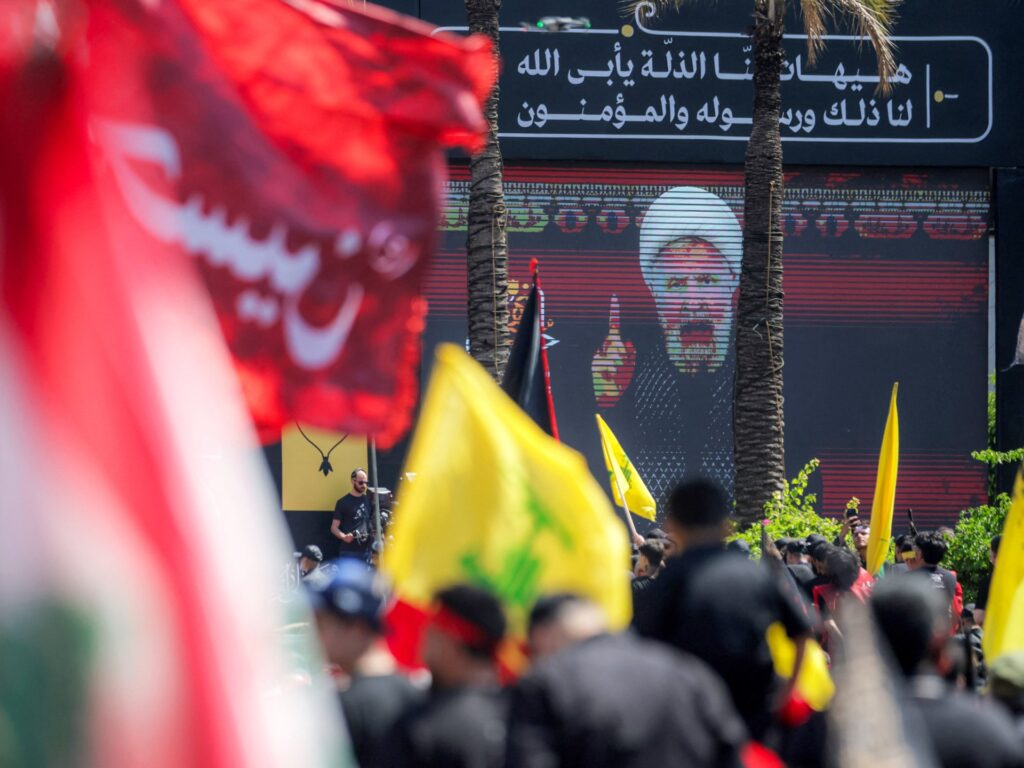
The talks, which involve representatives from Lebanon and Israel, were initiated to address several contentious issues, including border disputes, security concerns, and the future of bilateral relations. As the negotiations progress, Hezbollah’s chief deputy, Naim Qassem, has made it clear that the group rejects any form of normalization with Israel.
Qassem’s comments underline Hezbollah’s unwavering position: there will be “no normalization” between Lebanon and Israel, and no concessions or benefits will be granted to Israel as part of any potential agreement. This stance highlights the group’s commitment to Lebanese sovereignty and resistance against perceived Israeli aggression.
The background to these discussions is rooted in decades of conflict and animosity, with Lebanon and Israel technically still in a state of war since Israel’s withdrawal from Southern Lebanon in 2000. Despite multiple UN resolutions and international efforts aimed at ensuring peace and stability, the border area remains a flashpoint for tensions and occasional flare-ups.
The current talks, taking place on American soil, are facilitated diplomatically by the United States, which seeks to create a framework that could reduce the risk of conflict escalation and promote peaceful coexistence. Additionally, these negotiations aim to address critical issues such as maritime boundaries, which have significant implications for economic resources like offshore gas fields.
Hezbollah’s involvement and firm demands are crucial because the group wields substantial political and military influence in Lebanon. Its acceptance or rejection of any agreement has the potential to make or break the peace process.
Lebanese officials, while engaged in talks, have cautiously welcomed the opportunity to find some common ground with Israel to improve security and economic conditions, particularly relating to energy resources. However, they are also mindful of internal political sensitivities shaped by groups like Hezbollah.
Israel’s government has expressed a desire to resolve the border disputes and prevent security incidents, emphasizing that any peace or agreement must ensure its national interests and safety. Yet, Israel remains cautious about Hezbollah’s significant military capabilities along the border.
The international community, including the United Nations, continues to monitor these developments closely. There is hope that these talks might pave the way for a more stable and peaceful regional environment, though challenges remain given the deep-rooted mistrust.
The Lebanese-Israeli negotiations mark a complex chapter in Middle East diplomacy. Hezbollah’s demand for Israel to leave Lebanon unconditionally and rejection of normalization reflects the deep divisions that any agreement must navigate.
As talks proceed, all parties are mindful of the fragile balance of power, the legacy of past conflicts, and the aspirations of the Lebanese people for sovereignty and peace.
The world watches closely to see if these discussions can break new ground or if longstanding hostilities will continue to overshadow Lebanon-Israel relations.
In summary, Hezbollah’s stance during the U.S.-facilitated talks underscores the volatile and sensitive nature of Lebanon-Israel relations. The demand for an unconditional Israeli withdrawal from Lebanese territory and refusal to normalize ties highlight the complexities shaping any potential agreement. Success will depend on political will, security guarantees, and the delicate balancing of regional interests.