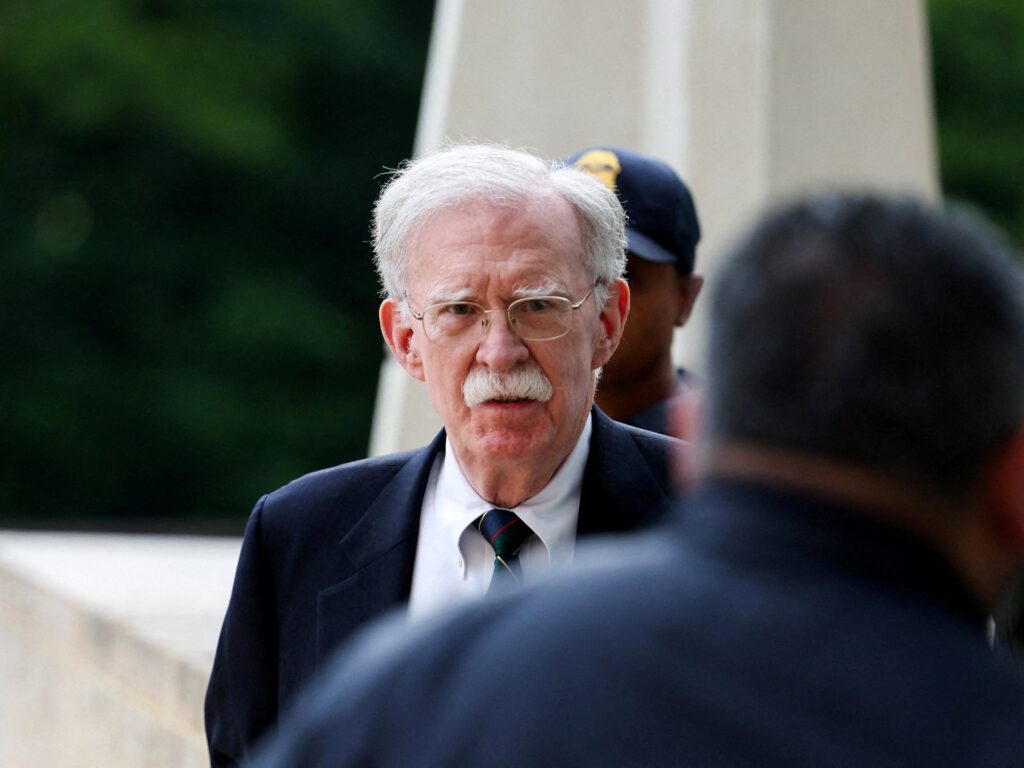
John Bolton, former national security adviser to President Donald Trump, has pleaded guilty in a high-profile case involving classified documents. The announcement marks a significant development in the ongoing investigation into the handling and retention of sensitive government materials after officials leave office.
Bolton’s guilty plea centers on charges related to the improper possession and potential mishandling of classified information. Details regarding the specific documents or the extent of the classification levels involved have not been fully disclosed, but authorities are treating the matter with utmost seriousness due to national security implications.
The case surfaced as part of broader scrutiny into how former officials manage classified materials post-tenure. This scrutiny intensified following revelations of similar incidents involving other political figures which have stirred public debate about security protocols.
Legal experts suggest that Bolton’s plea could be part of a negotiated agreement with prosecutors, possibly aiming to reduce sentencing or cooperate with investigators. The exact terms of the plea deal have not been made public at this time.
The Department of Justice has emphasized that no one is above the law when it comes to handling classified materials, underscoring the administration’s commitment to safeguarding national security.
Bolton, who served as national security adviser from April 2018 to September 2019, has been a prominent figure in U.S. politics, known for his hawkish foreign policy stance. His involvement in this case adds a complex layer to discussions about the responsibilities and risks former government officials face concerning sensitive information.
The legal proceedings are expected to continue, with further court appearances scheduled. Observers anticipate intense media coverage and heightened public interest as more information emerges.
This case illustrates the ongoing challenges and legal ramifications tied to classified information management in the United States. It also highlights the government’s renewed focus on ensuring accountability for the safeguarding of national secrets, signaling that violations will lead to serious consequences regardless of an individual’s rank or former position.