The Democratic Republic of Congo (DR Congo) has formally filed a case against Rwanda at the International Court of Justice (ICJ), accusing Kigali of committing numerous human rights violations over the past three decades. The allegations include massacres, sexual violence, and forced displacement inflicted upon communities in eastern DR Congo.
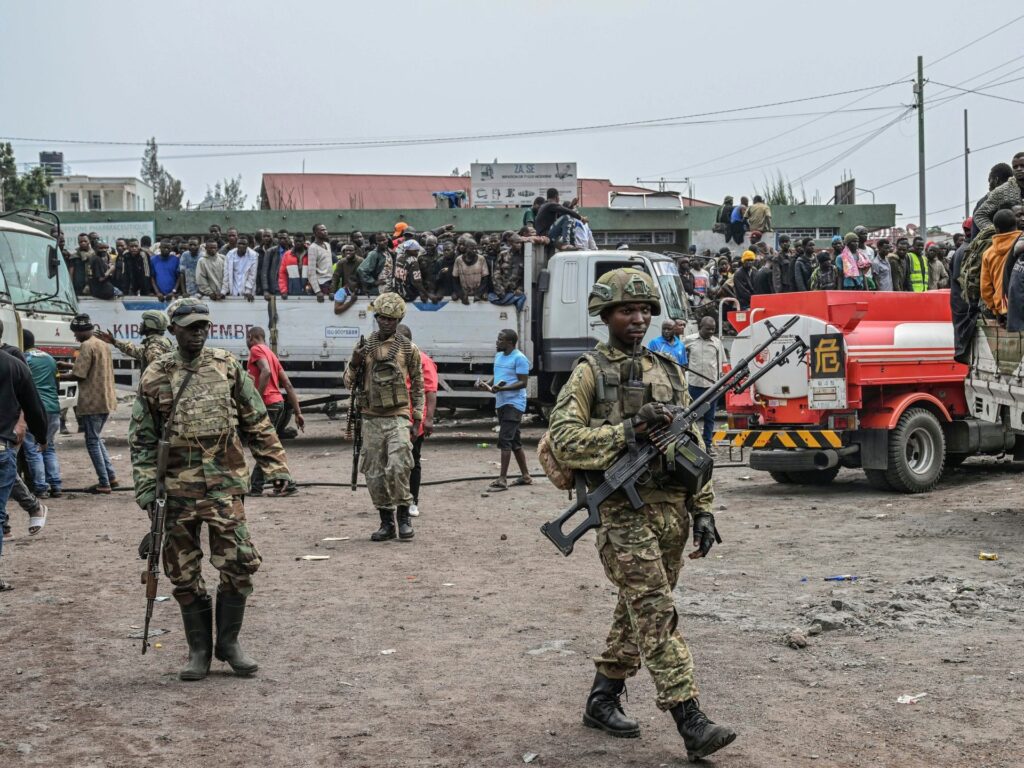
Kinshasa’s decision to take the dispute to the UN’s highest judicial body marks a significant escalation in their long-standing strained relations with Rwanda. The case centers on claims that Rwandan forces and allied armed groups have perpetrated systematic abuses across the border regions, severely affecting civilian populations.
DR Congo’s government contends that these actions have not only caused enormous human suffering but have also destabilized the region, hindering peace and security efforts. The alleged abuses reportedly date back some 30 years, encompassing multiple conflicts and periods of turmoil in the Great Lakes region of Africa.
Sexual violence, particularly against women and girls, has been a focal point of DR Congo’s accusations, with claims of widespread and systematic use of rape as a weapon of war. Forced displacement of communities has also been cited as a tactic employed by armed groups supported by Rwandan interests.
Rwanda has consistently denied involvement in atrocities within DR Congo, asserting that its actions are defensive and focused on combating rebel groups threatening its national security. However, the filing of the case at the ICJ represents an official and legal challenge to Rwanda’s narrative.
The ICJ, headquartered in The Hague, Netherlands, is the principal judicial organ of the United Nations and is tasked with settling legal disputes between states and giving advisory opinions on international legal issues.
The case will put Rwanda’s conduct under international legal scrutiny, potentially impacting diplomatic relations, regional cooperation, and peace processes in the Great Lakes region.
Observers note that the ICJ proceedings could take years, given the complexity and sensitivity of the allegations involved. Meanwhile, the filing sends a clear message about DR Congo’s intention to seek justice and accountability on an international platform.
The international community has urged both countries to engage in dialogue and resolve their differences peacefully. Stability in the region is crucial given the history of conflicts and the humanitarian crises that have affected millions.
This development highlights ongoing concerns about the legacy of conflict in central Africa and the challenges of justice and reconciliation in the aftermath of prolonged violence. The ICJ’s role will be pivotal in setting precedents for addressing state responsibility in cases of alleged human rights violations and cross-border interventions.
As the case proceeds, global attention will be on how international law can address complex disputes arising from decades of violence and geopolitical tensions in volatile regions like the Great Lakes.