The strategic Strait of Hormuz, a vital maritime chokepoint for global oil shipments, has become the latest flashpoint in regional security tensions. Iran’s Revolutionary Guard Corps (IRGC) has issued a stern warning to vessels navigating the newly established shipping lane through the Strait, created jointly by Oman and the International Maritime Organization (IMO).
The new route, aimed at enhancing maritime safety and streamlining vessel movements through the congested and often volatile strait, has been met with fierce opposition from Iran. The IRGC declared that any ships opting to use this route would be considered at risk, implying potential military repercussions.
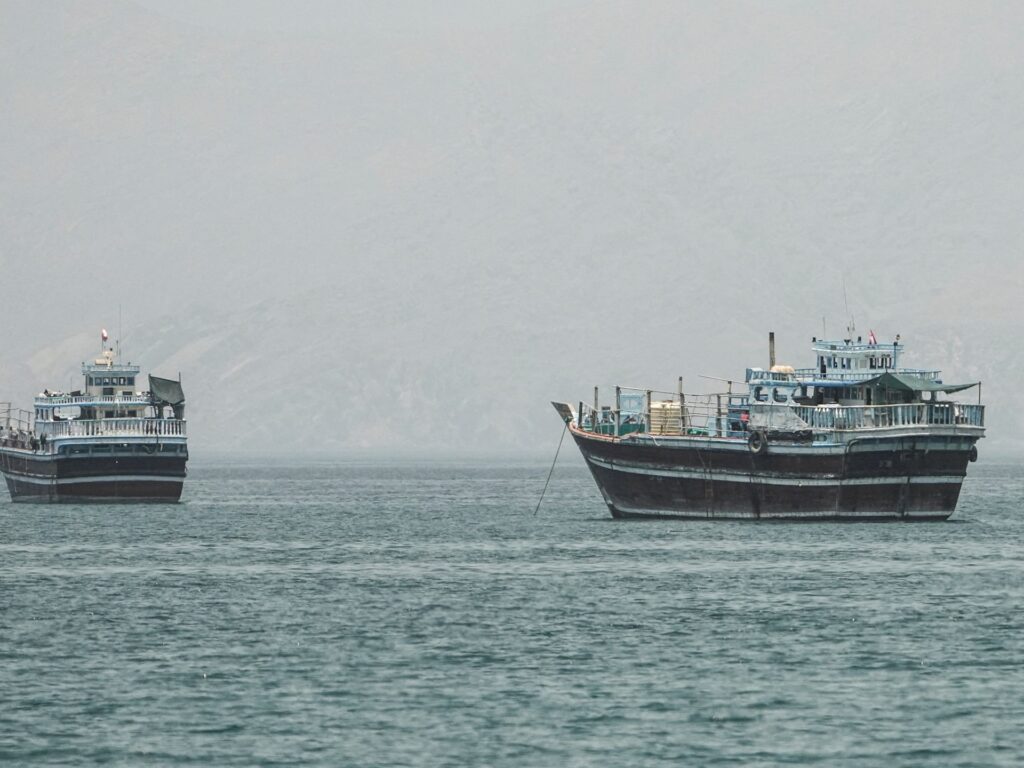
This proclamation adds a significant layer of complexity to an already delicate geopolitical landscape. The Strait of Hormuz is a narrow passage that connects the Persian Gulf with the Gulf of Oman and the Arabian Sea, through which a substantial portion of the world’s petroleum supply transits. Any disruption in this waterway can have far-reaching impacts on global energy markets and international trade.
The IRGC’s stance underscores Iran’s enduring opposition to foreign influence and its strategic determination to control navigation through the strait. Historically, Tehran has viewed such international initiatives concerning the Strait of Hormuz with suspicion, interpreting them as attempts to curb its regional influence or to bolster military presence under the guise of maritime safety.
Oman’s decision to collaborate with the IMO to establish a new shipping lane reflects growing concerns about maritime security due to increased traffic and previous incidents involving vessel attacks and mine-laying near the strait. The route is designed to enhance safe passage and reduce the risk of accidents or confrontations among ships traversing the narrow and strategically vital waterway.
The announcement by the IRGC threatens to escalate tensions, raising fears of possible confrontations between Iranian forces and international shipping, including those operated by countries allied with Western powers. The potential for conflict could lead to economic repercussions, especially for the energy markets heavily reliant on secure oil transit from the Gulf region.
International responses to Iran’s warning have been mixed, with some nations emphasizing the importance of maintaining freedom of navigation and others expressing concern over any unilateral moves that could jeopardize regional stability. Diplomatic channels are expected to be highly active in the coming days as stakeholders seek to de-escalate the situation.
Analysts suggest that Iran’s hardline rhetoric serves multiple purposes: projecting regional power, deterring foreign naval presence, and signaling to its domestic audience its resolve to defend national sovereignty against perceived external threats. However, this posture also risks isolating Iran further from the international community and increasing economic sanctions.
The Strait of Hormuz continues to symbolize both a vital economic artery for global energy supplies and a geopolitical battleground where regional and international interests intersect. The unfolding developments in this maritime corridor warrant close attention from governments, shipping companies, and global markets alike.