Europe is currently enduring a severe heatwave that is impacting cities, natural environments, and wildlife across the continent. The extreme temperatures have set new records in several countries, causing a variety of problems for residents and ecosystems alike.
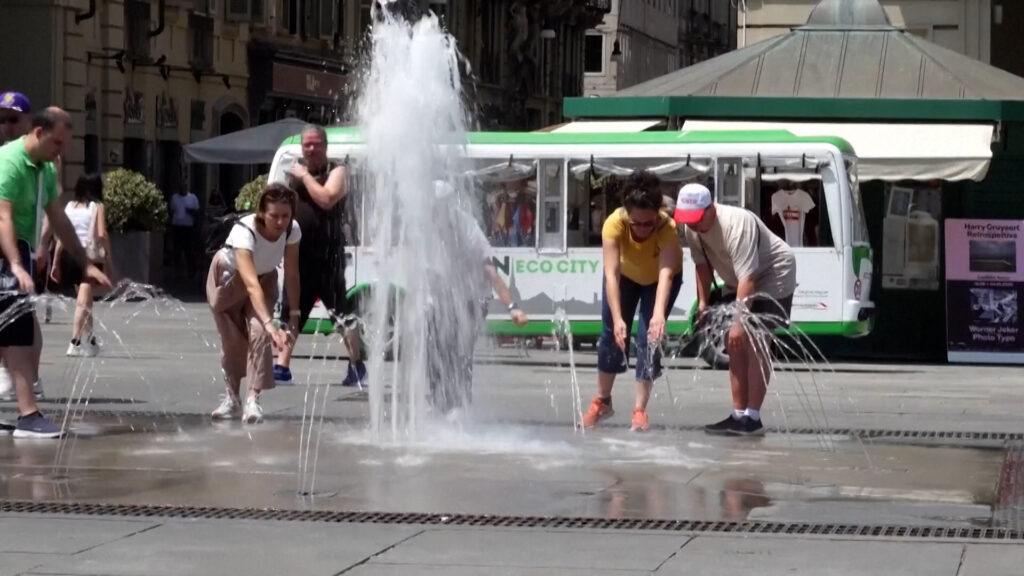
Cities are experiencing unprecedented heat, with asphalt and concrete absorbing and radiating heat, elevating urban temperatures even further. This phenomenon, known as the urban heat island effect, has led to increased health risks for people, particularly vulnerable populations such as the elderly and children. Authorities have issued warnings and advised residents to stay hydrated and limit outdoor activities during peak heat hours.
The heatwave has also affected wildlife, with many species struggling to cope with the sudden and sustained rise in temperature. Aquatic life in rivers and lakes is at risk due to warming waters, which reduce oxygen levels and disrupt habitats. Animals on land are seeking shade and sources of water more frequently, altering their natural behaviors and potentially threatening their survival.
Agriculture is another sector feeling the heat, as crops are at risk of wilting and failing without adequate irrigation. Farmers are facing significant challenges in protecting their fields and ensuring food security for the coming months.
Scientists attribute the intensity and frequency of such heatwaves to climate change, emphasizing the urgent need for mitigation efforts to reduce greenhouse gas emissions. The current situation serves as a stark reminder of the vulnerabilities in Europe’s infrastructure and ecosystems in the face of global warming.
In response to the extreme weather, cities are implementing heat action plans that include opening cooling centers, distributing water, and enhancing public health warnings. Meanwhile, conservationists are working to provide additional water sources and shade to help wildlife cope with the high temperatures.
Experts warn that heatwaves will become more frequent and intense if climate action is not taken promptly. They advocate for increased awareness and preparedness to protect human health, wildlife, and the environment.
As Europe continues to battle this heatwave, the collective efforts of governments, communities, and individuals will be crucial in mitigating its impact and adapting to the changing climate conditions.