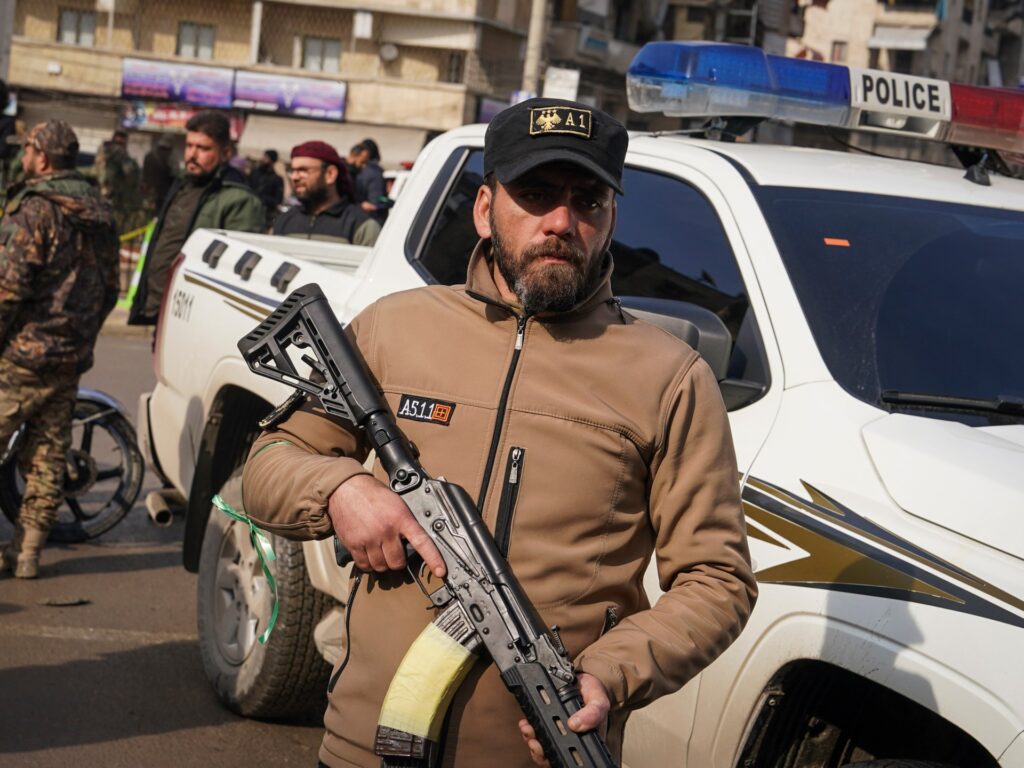
Eva Maria Michelmann, a German journalist who had been held captive in the Syrian city of Raqqa since January, has been released and is now back home, her family confirmed. Michelmann’s brother disclosed that she was detained amid the ongoing complex conflict landscape in Syria, where journalists often face significant risks due to the volatile environment.
Raqqa, once a stronghold of extremist groups, has seen intense conflict and shifting control, making it a dangerous place for foreign journalists and civilians alike. The circumstances surrounding Michelmann’s captivity have not been fully disclosed by authorities, but her release is a significant relief for her family, supporters, and the journalistic community.
Eva Maria Michelmann had traveled to Syria to cover the humanitarian and political situation for German and international media. Her work aimed to shed light on the conditions suffered by civilians, the impact of war, and the ongoing recovery efforts seen in various parts of the country.
During her captivity, numerous organizations and the German government reportedly made efforts to secure her release through diplomatic and humanitarian channels. Her family’s statements emphasize gratitude towards everyone who supported these efforts and maintained hope throughout the ordeal.
The detention and release of Eva Maria Michelmann highlight the perils journalists face in conflict zones and underline the importance of supporting press freedom and the safety of reporters worldwide. Her experience also draws attention to the ongoing instability in Syria and the international community’s role in protecting journalists and civilians caught in warzones.
Michelmann’s return to Germany has been met with widespread relief, and she is expected to receive medical and psychological support to recover from her traumatic experience. Her case serves as a reminder of the bravery required to report from conflict zones and the profound challenges journalists confront in pursuit of truthful and critical reporting.
The international journalistic community continues to call for increased protections, emphasizing that journalists play an indispensable role in informing the public and holding power to account, especially in regions plagued by conflict and repression. Eva Maria Michelmann’s story is not isolated; it resonates with many others who have faced captivity, threats, or violence while fulfilling their duties to report with integrity and courage.
As Eva Maria reintegrates into civilian life, discussions are expected to continue concerning how best to enhance safety protocols and support systems for journalists operating in high-risk environments. Her case also contributes to the ongoing dialogue regarding the Syrian conflict’s broader implications on press freedom and human rights.
In summary, Eva Maria Michelmann’s release from captivity in Raqqa and her safe return to Germany represent a hopeful development in a story marked by uncertainty and danger. The episode underscores the critical need for international solidarity and comprehensive measures to protect those who risk their lives to deliver unbiased and courageous journalism from some of the world’s most perilous locations.