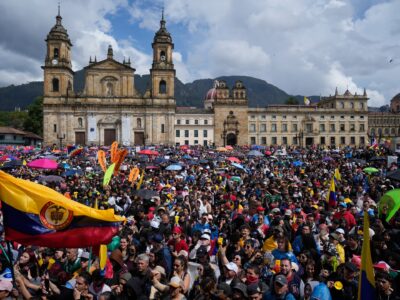
Bolivia has declared a state of emergency as a severe blockade crisis escalates across the country. The unrest began several weeks ago, triggered by widespread protests against austerity measures implemented by President Rodrigo Paz. These measures, aimed at addressing economic challenges, have sparked significant public backlash, leading to mass demonstrations and road blockades disrupting daily life and commerce.
The government’s austerity program includes cuts in public spending, tax increases, and subsidy reductions, which many citizens argue disproportionately affect the poorest segments of the population. In response, various groups—including labor unions, indigenous communities, and local activists—have organized widespread protests, demanding the reversal of these policies.
The blockade crisis has intensified in recent days, with major highways and transportation routes being obstructed, leading to shortages of essential goods in some regions. The disruption has affected supply chains and economic activities, prompting authorities to take drastic measures to restore order.
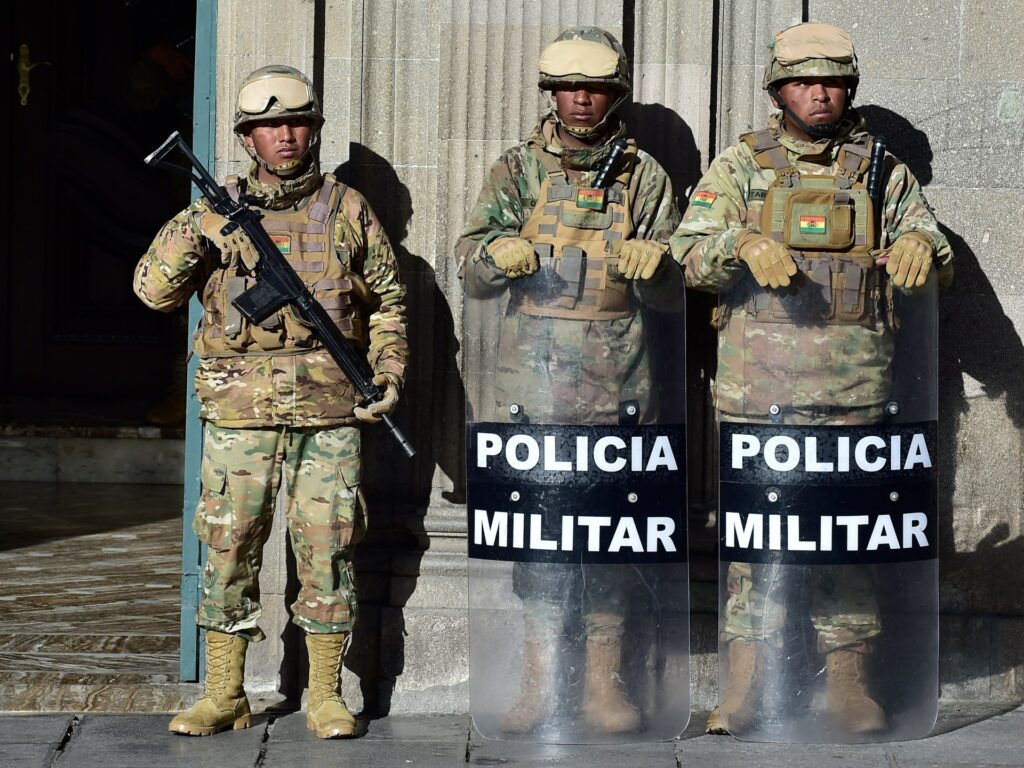
President Paz announced the declaration of a state of emergency, granting security forces expanded powers to dismantle blockades and maintain public order. This move has drawn mixed reactions; supporters argue it is necessary to safeguard the economy and national stability, while critics warn it risks escalating tensions and potentially leading to human rights violations.
International observers have expressed concern about the situation, urging dialogue between the government and protesters to find a peaceful resolution. Human rights organizations are monitoring the response closely, emphasizing the importance of respecting civil liberties amidst the crisis.
The Bolivian government has opened channels for negotiations with protest leaders but insists that austerity measures are essential for the country’s fiscal health and future development. Meanwhile, protesters remain steadfast, pushing for policy changes and more inclusive economic strategies that prioritize social welfare.
This blockade crisis marks one of the most significant challenges to President Paz’s administration, highlighting the deep divides within Bolivian society over economic policy and governance. How the situation unfolds in the coming days will be critical for Bolivia’s political stability and economic recovery efforts.