The Democratic Republic of Congo (DRC) is currently facing a rapidly escalating Ebola outbreak, with more than 70 medics infected as the disease spreads swiftly across affected regions. The situation is compounded by significant challenges, including cuts in humanitarian aid and inadequate sanitation, particularly in displacement camps where thousands of vulnerable populations reside.
Health workers, who are pivotal in managing and containing the outbreak, have become increasingly vulnerable. Over 70 medics have contracted Ebola, highlighting the intensity and speed of the virus’s transmission. This alarming number signals a pressing concern for the healthcare infrastructure, which is already strained by limited resources and the ongoing public health crisis.
Displacement camps, which have become temporary homes for many fleeing conflict and instability in the region, are proving to be hotspots for the virus. Poor sanitation and crowded living conditions in these camps create ideal circumstances for the virus to spread. These conditions are exacerbating the outbreak, putting displaced civilians at a heightened risk of infection.
Aid organizations have reported cuts in funding and logistical support, hindering their ability to deliver essential medical services, supplies, and sanitation improvements in these critical areas. The reduction in aid has weakened the capacity to control the outbreak, intensifying fears of further spread among already vulnerable populations.
Experts warn that without immediate and increased intervention, including restoration of aid, improvements in hygiene and sanitation infrastructure, and enhanced protection measures for healthcare workers, the Ebola epidemic could worsen significantly. The rapid transmission among medics also raises concerns about hospital-based infections, which could further deplete the healthcare workforce and hamper treatment efforts.
The DRC government, in collaboration with international partners such as the World Health Organization and non-governmental organizations, is urged to mobilize resources urgently to contain the outbreak. Strategies include ramping up vaccination campaigns, improving infection control protocols, expanding testing and isolation centers, and providing support to displaced communities.
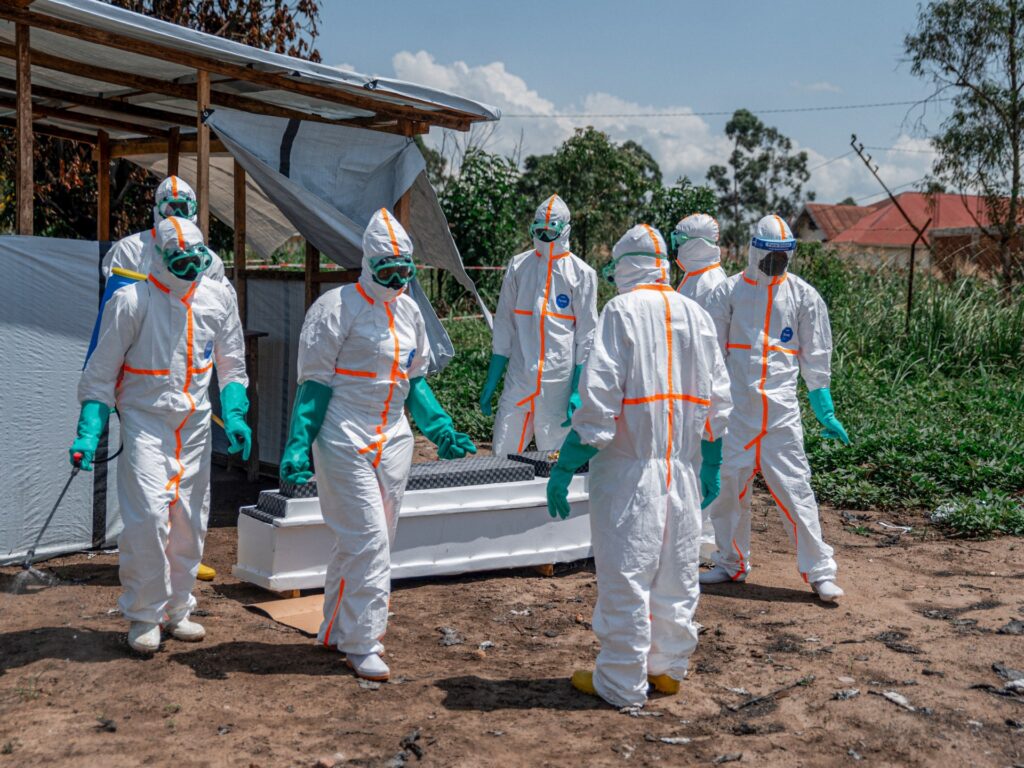
Raising awareness and education about Ebola prevention methods remains critical. Community engagement is vital to combat misinformation, encourage early reporting of symptoms, and promote safe burial practices that do not facilitate virus transmission.
This outbreak underscores the fragility of health systems in conflict-affected and resource-poor settings and the dire need for sustained international commitment to epidemic preparedness and response. Protecting healthcare workers is paramount, as their safety directly influences the capacity to manage outbreaks and save lives.
In summary, the rapid spread of Ebola in the DRC, infecting over 70 medics and fueled by aid cuts and poor sanitation in displacement camps, presents a grave public health threat. Coordinated international efforts, increased funding, and robust community-based interventions are essential to halt the epidemic and protect both healthcare providers and the broader population from further impact.