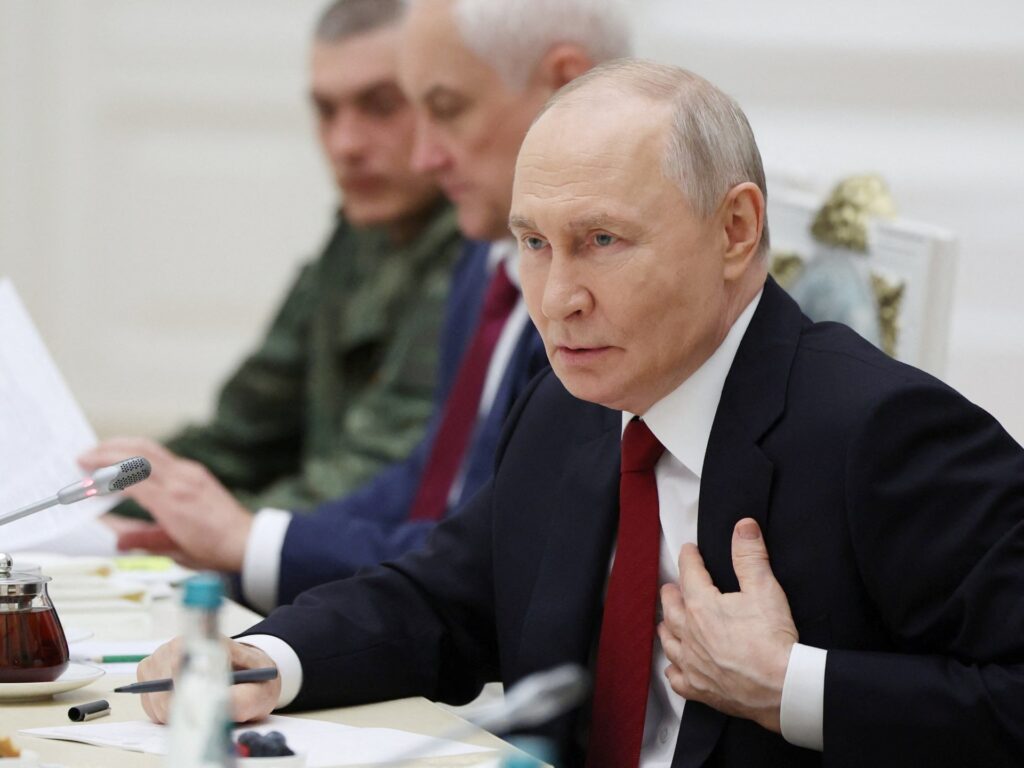
In recent developments amid the ongoing conflict between Russia and Ukraine, Russian President Vladimir Putin has officially acknowledged that Ukrainian attacks are significantly affecting Russia’s economy and society. These attacks have increasingly targeted critical Russian infrastructure, particularly refineries, fuel depots, and pipelines, as well as fuel supplies in the strategic Crimean region.
The conflict, which initially began with Russia’s military actions in Ukraine, has seen a notable shift as Ukraine intensifies its measures to disrupt Russia’s logistical and economic capabilities. Ukrainian forces have strategically focused on disabling Russian fuel infrastructure to hinder military and civilian operations, aiming to weaken Russia’s operational capacity.
Putin’s admission marks a significant moment in recognizing the domestic repercussions of the conflict on Russia. The damage to refineries and pipelines not only threatens Russia’s fuel supply chain but also has wider economic consequences affecting production, transportation, and energy sectors integral to the Russian economy.
Fuel depots and pipelines are vital for Russia, both for internal consumption and export revenues. The disruption caused by the attacks results in supply shortages, increased costs, and operational delays that ripple through various sectors, leading to broader societal challenges including inflation and reduced availability of resources.
Crimea, which Russia annexed in 2014, remains a focal point of the conflict. Ukraine’s strikes in Crimea target the fuel supply infrastructure that supports Russian military operations in the peninsula. The continued assaults underscore the ongoing contest for control over the region and the importance of maintaining logistical lines for Russian forces stationed there.
The Russian government has responded by bolstering security measures around key infrastructure sites and increasing efforts to repair and replace damaged facilities. However, the resilience of Ukrainian attacks presents sustained difficulties for Russia to stabilize its economy and maintain social order amidst these pressures.
Experts suggest that the impact of these targeted attacks extends beyond immediate economic damage, influencing public morale and political stability within Russia. The costs of repair and the strain on available resources could potentially weaken Russia’s war effort and economic outlook if the attacks persist.
In a broader geopolitical context, these developments highlight Ukraine’s adaptive strategy in the conflict, leveraging asymmetric tactics to undermine Russian strength where it is most vulnerable. The international community continues to monitor the situation closely, given the implications for regional security and global energy markets.
As the conflict endures, the effects on Russia’s economy and society illustrate the increasing toll of war beyond the battlefield. President Putin’s acknowledgment reflects mounting pressures faced by Russia, signaling potential challenges ahead as the conflict evolves and both sides continue their military and strategic maneuvers.