In a significant development, four members of the activist group Palestine Action are facing the possibility of being sentenced as terrorists due to their involvement in a raid on an Elbit Systems factory in the United Kingdom. This potential designation marks a serious escalation in how the UK legal system is addressing acts of protest linked to this group.
The Palestine Action group is known for its direct action protests, which often target companies they accuse of being complicit in human rights abuses in the Palestinian territories. The Elbit Systems factory, which the activists raided, is a facility associated with defense manufacturing and has faced criticism for producing technology allegedly used in controversial military operations.
Authorities have charged the four activists with offenses that could attract ‘terrorism’ sentences, underlining the UK government’s intent to frame certain protest activities in the context of national security threats. This move has sparked intense debate across legal and human rights circles about the proportionality of the response to acts of civil disobedience.
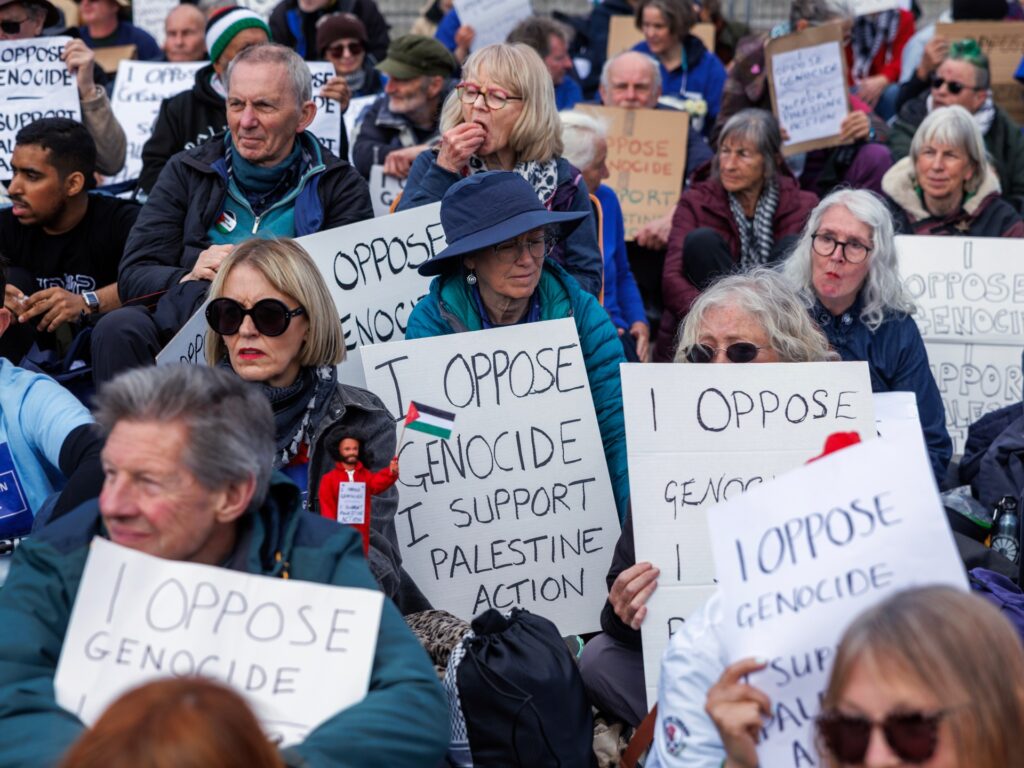
Supporters of Palestine Action argue that their actions are rooted in peaceful protest and civil activism, not terrorism, and highlight that the raid was intended to disrupt what they view as unethical corporate practices tied to conflict zones. Conversely, government officials maintain that the law must be upheld firmly to prevent any activity that could potentially threaten public safety or security.
The case is expected to proceed in 2024, with legal experts closely watching the proceedings for their implications on activist rights and the boundaries of protest under counter-terror legislation. The sentencing could set a precedent affecting how future protests, especially those involving direct action against corporate or government facilities, are treated by courts.
This development raises broader questions about the balance between national security and civil liberties, illustrating the evolving challenges faced by governments in addressing activism that intersects with contentious geopolitical issues. The outcome of the trial will likely influence policymakers, activists, and legal frameworks concerning protest, dissent, and the definition of terrorism in the UK and beyond.