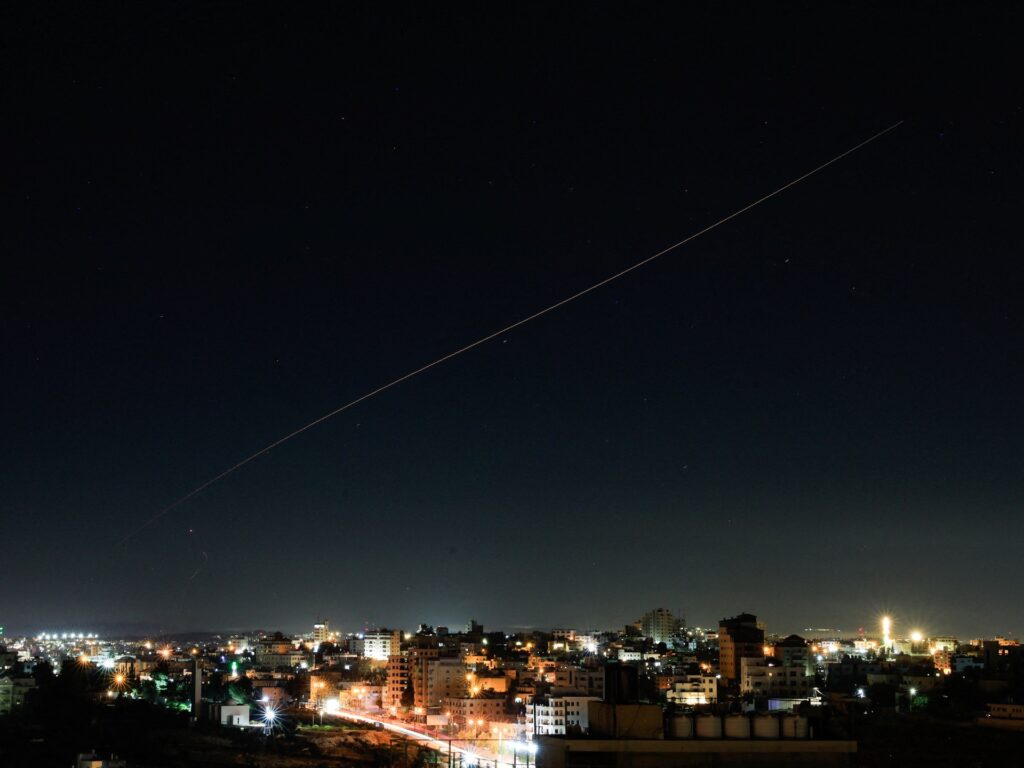
Recent developments have seen a significant escalation in hostilities between Iran and Israel, with both nations engaging in reciprocal bombings. This emergence of aggressive military actions raises pressing questions about the durability of the current ceasefire and the potential for a wider conflict. Analysts examining the situation suggest that each side is intentionally pushing the ceasefire to its limits while simultaneously trying to gain greater leverage in their ongoing strategic confrontations.
The backdrop to this escalation involves a complex interplay of geopolitical tensions, regional rivalries, and deep-seated historical animosities. Iran and Israel have long been adversaries in the Middle East, frequently clashing through proxy wars, cyber warfare, and occasional direct confrontations. The ceasefire, which was established to prevent open warfare, seems increasingly fragile amid these recent bombings.
According to defense experts, the timing and precision of the attacks indicate calculated moves rather than accidental escalations, highlighting a contentious strategy by both nations. This brinkmanship approach serves dual purposes: to test the opponent’s resolve and to strengthen negotiating positions in potential future talks.
Further complicating the situation is the involvement of regional and global powers whose interests are deeply intertwined with the stability of the Middle East. Allies and antagonists alike watch the developments closely, weighing their responses to either support de-escalation or capitalize on the shifting strategic landscape.
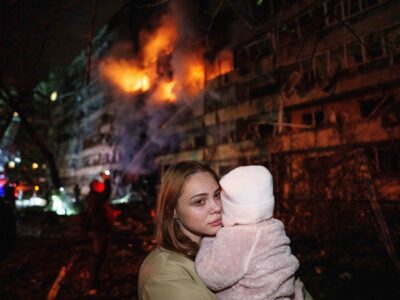
The international community has called for restraint, emphasizing the catastrophic consequences of a full-scale conflict. Humanitarian concerns are paramount, as innocent civilians in affected areas face increasing dangers amid bombings and counterattacks. Diplomatic channels are reported to be operating behind the scenes, albeit with limited success so far.
Observers note that the current pattern reflects a precarious operational dance where both Iran and Israel seek to demonstrate strength without completely unraveling the ceasefire. By pushing boundaries, they aim to assert dominance and send powerful messages to each other and the broader international audience.
The question remains whether these calculated risks will lead to a negotiated settlement that alleviates tensions or spiral into a prolonged and devastating conflict. The coming weeks are crucial, as the ceasefire’s endurance will depend on the willingness of both parties to prioritize dialogue over confrontation.
Ultimately, these developments underscore the fragile nature of peace in volatile regions and the continual challenge of managing entrenched enmities. The situation between Iran and Israel serves as a stark reminder of how quickly tenuous agreements can unravel, especially when strategic interests and regional security are at stake.
In summary, the recent exchanges of bombings between Iran and Israel have cast doubt on the viability of the current ceasefire. While both nations appear to be leveraging military tactics to strengthen their positions, analysts warn that this dangerous game could precipitate renewed hostilities unless tempered by meaningful diplomatic efforts and international mediation. The world watches closely, hopeful for de-escalation but preparing for the possibility of further conflict.