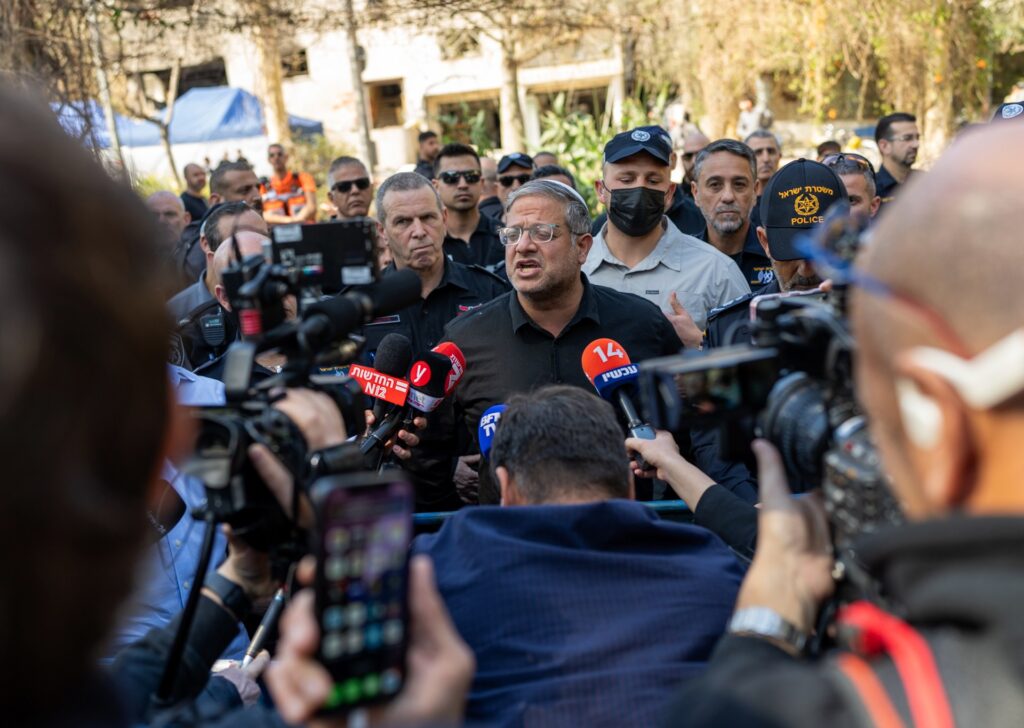
Italian prosecutors have initiated a formal investigation into Israeli Minister Itamar Ben-Gvir regarding alleged abuse of activists detained during an attempt to reach Gaza by sea. This development marks Rome as the second European capital to pursue legal scrutiny into Israel’s handling of the flotilla incident, which involved activists advocating for humanitarian aid and political attention to the Gaza Strip.
The probe focuses on claims of mistreatment and possible human rights violations against activists who were intercepted and detained while aboard vessels intending to break the Israeli blockade of Gaza. Minister Ben-Gvir, known for his hardline stance on security and territorial issues, holds significant responsibility in Israel’s policies relating to Gaza and border security.
The flotilla, aimed at delivering aid and challenging the blockade imposed by Israel, faced interception by Israeli forces, leading to confrontations and subsequent detentions. Activists have alleged instances of abuse during detention, including physical and verbal mistreatment, which have prompted calls for accountability and international investigation.
Rome’s decision to open a probe follows similar inquiries by other European countries concerned with ensuring compliance with international law and protection of human rights in the region. The investigation scrutinizes actions by Israeli officials and forces, examining whether protocols were violated during the interception and detention.
Legal experts note that the probe could have wider implications, potentially affecting diplomatic relations between Italy and Israel and influencing broader European Union stances toward the Israeli-Palestinian conflict. It emphasizes the growing international focus on safeguarding activists and upholding legal norms during politically charged confrontations.
Minister Ben-Gvir’s office has not issued a formal response to the investigation announcement, but Israeli officials have consistently defended their actions regarding the flotilla as necessary for national security and border protection. The situation remains a flashpoint in an already tense geopolitical environment involving Gaza, Israel, and international activists.
As the investigation proceeds, attention will center on testimonies from activists, official reports, and potential evidence of abuse. The outcome could set precedents on how countries address allegations of mistreatment in conflict zones and the responsibilities of government officials in such contexts.
This probe reflects a growing trend in Europe where legal mechanisms are increasingly employed to address contentious issues arising from the Israeli-Palestinian conflict, focusing on accountability and human rights. Rome’s action highlights the broader demand for transparency and justice concerning the treatment of civilians and activists in sensitive and volatile areas.
The flotilla incident remains symbolic of the complex humanitarian and security challenges in the Gaza Strip, where multiple stakeholders—including governments, activists, and international bodies—intersect in efforts to balance security and humanitarian concerns. The ongoing investigation in Italy is expected to contribute to the dialogue on legal and ethical standards in such disputes, underscoring the global community’s role in monitoring and addressing allegations of abuse and misconduct.