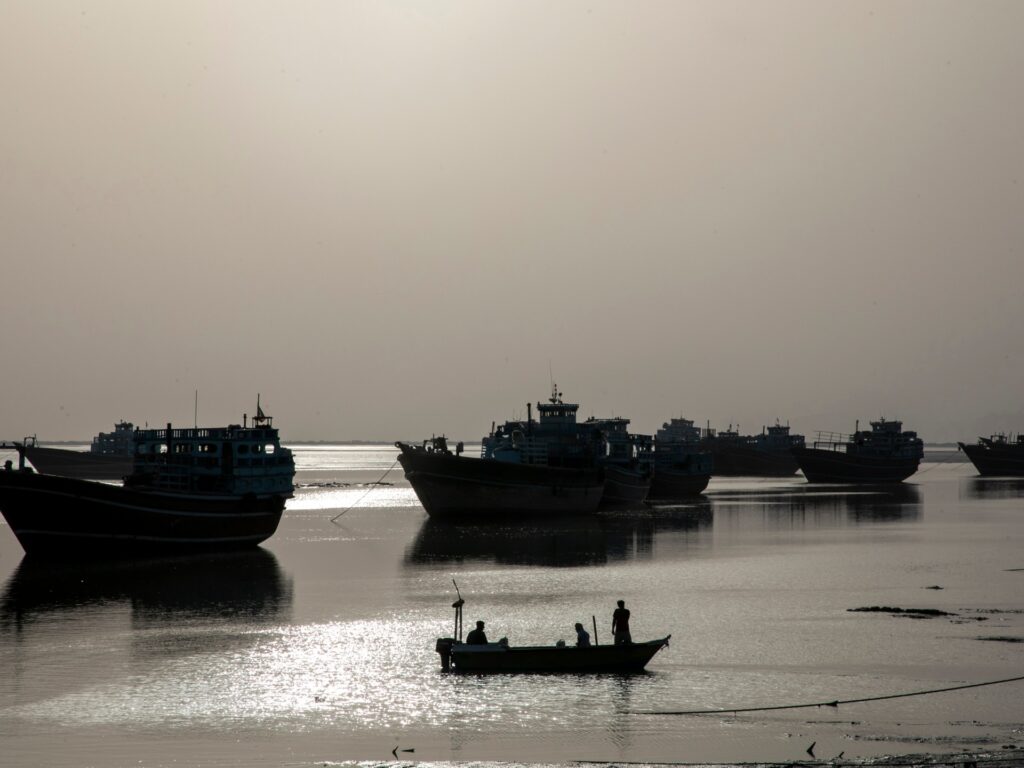
Recent attacks targeting Iran, Kuwait, and Bahrain have sparked concerns about a potential escalation of conflict in the Gulf region. Analyzing these developments reveals complex dynamics at play among regional powers and international actors.
The Gulf region, historically a volatile area due to geopolitical, religious, and economic interests, has been witnessing increasing incidents of violence. Recent strikes hit vital infrastructures and strategic locations in Iran, Kuwait, and Bahrain, escalating tensions among these nations. While these attacks have stoked fears of broader conflict, U.S. Secretary of State Rubio has addressed American lawmakers with a contrasting perspective.
Secretary Rubio emphatically stated that the war on Iran is over, asserting that the United States does not seek escalation. His message aims to quell concerns about a renewed large-scale conflict, emphasizing diplomatic efforts rather than military action. This stance is critical as the U.S. plays a pivotal role in Gulf security through alliances and military presence.
Despite Secretary Rubio’s assurances, the attacks’ timing and coordination suggest a more intricate set of provocations possibly linked to regional rivalries and proxy conflicts. Analysts suggest that while direct warfare might be unlikely now, the risk of miscalculation remains high, with groups and nations potentially exploiting the situation for strategic gains.
Iran, a central actor in the region, has frequently been accused of orchestrating proxy conflicts throughout the Middle East. The recent attacks on Kuwaiti and Bahraini soil might reflect this ongoing struggle for influence. Meanwhile, Kuwait and Bahrain, as key Gulf Cooperation Council (GCC) members, have sought to balance relations with both Iran and Western powers, complicating diplomatic efforts.
The economic implications of these attacks cannot be understated. The Gulf region is a global energy hub, and instability raises concerns about oil supply disruptions, which could have worldwide repercussions. Markets already react anxiously to any signs of conflict in the region, affecting global prices and economic forecasts.
International stakeholders, including the United Nations and European Union, have called for restraint and dialogue among Gulf countries. These diplomatic efforts focus on de-escalating tensions and fostering communication channels to prevent misunderstandings from sparking wider conflict.
In conclusion, while the recent attacks on Iran, Kuwait, and Bahrain mark a troubling spike in regional violence, the situation remains contained without clear indicators of full-scale war. U.S. Secretary Rubio’s assurances underline a preference for diplomacy over confrontation, though the underlying geopolitical complexities keep the region on edge. The Gulf’s future stability will depend heavily on sustained diplomatic engagement, careful management of proxy conflicts, and international cooperation to reduce the risk of inadvertent escalation.