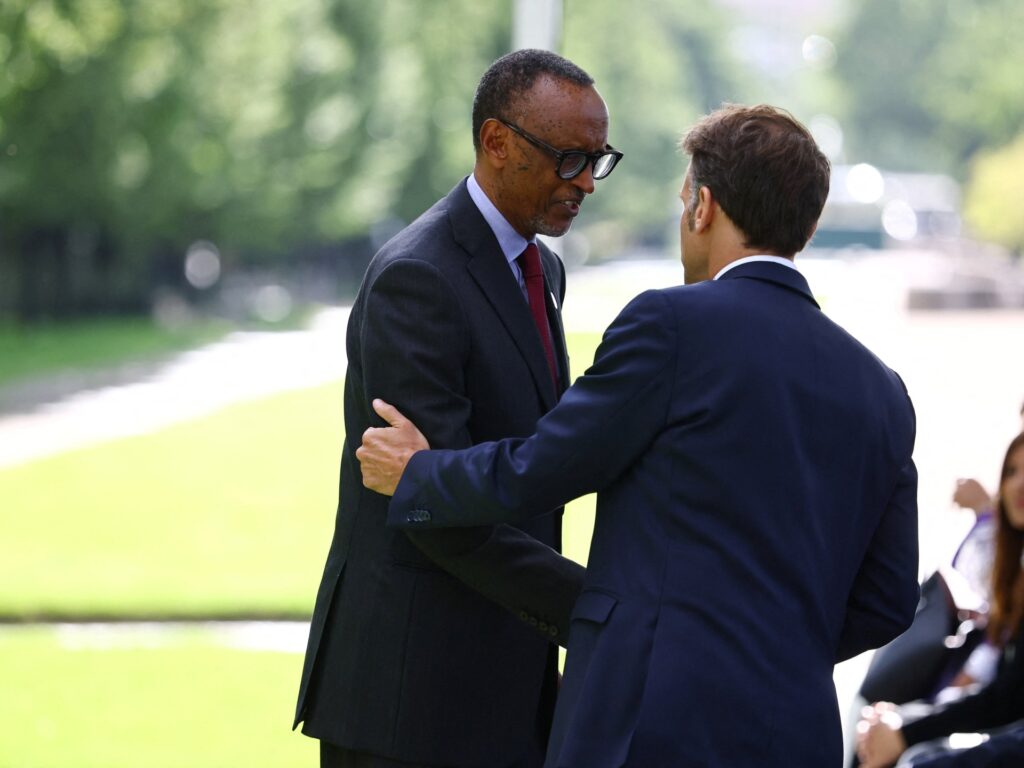
In a historic and symbolic gesture, French President Emmanuel Macron inaugurated a new monument in Paris dedicated to the victims of the 1994 Rwanda genocide. This solemn event marks an important step towards acknowledging and honoring the memory of the nearly one million people who were brutally killed in a span of just 100 days during one of the most horrific genocides of the 20th century.
During the inauguration ceremony, President Macron openly acknowledged France’s past role and ‘responsibility’ in the events surrounding the genocide. Until recently, France’s involvement in the genocide had been a sensitive and often contentious topic, with many critics accusing the French government of complicity or failure to intervene effectively. Macron’s remarks signal a candid and reconciliatory approach to this dark chapter in Franco-Rwandan relations.
The newly unveiled monument is located in a prominent area of Paris, serving as a permanent reminder of the tragedy and a place for reflection and education. Its design incorporates symbolic elements that reflect the history and suffering of the Rwandan people, transforming the space into a place of mourning, remembrance, and hope for a future free from such atrocities.
Macron described the monument as a ‘milestone’ in the reconciliation process between France and Rwanda. By publicly recognizing France’s involvement and dedicating this monument, Macron aims to foster healing and dialogue, paving the way for stronger bilateral ties and mutual understanding.
The memorial honors not only the victims but also survivors and their families, ensuring that their stories and experiences are not forgotten. The event was attended by representatives from Rwanda, French officials, diplomats, and members of the Rwandan diaspora, underscoring the international significance of the dedication.
In his speech, President Macron emphasized the importance of confronting historical truths, no matter how painful, to build a more just and peaceful future. He expressed solidarity with the victims and survivors and reiterated France’s commitment to preventing the recurrence of such human rights atrocities.
The inauguration comes at a time when global awareness of genocides and mass atrocities is rising, highlighting the need for collective memory and vigilance. France’s decision to create this memorial has been welcomed by many human rights advocates, historians, and members of the international community who view it as a positive step toward accountability and reconciliation.
Furthermore, the memorial is expected to serve as an educational site for future generations, contributing to increased understanding of the genocide and the importance of standing against hate, discrimination, and violence worldwide.
Overall, President Macron’s opening of the Paris monument stands as a poignant acknowledgment of past wrongs and a hopeful symbol for reconciliation, justice, and the enduring resilience of the human spirit in the face of tragedy.