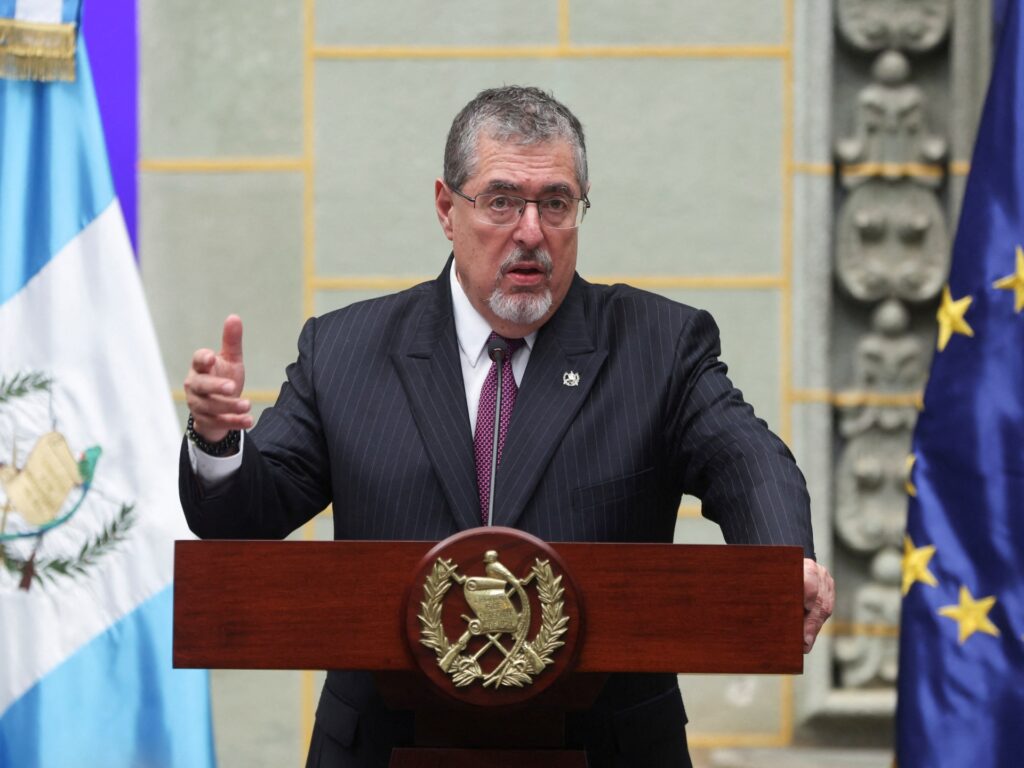
The Guatemalan government, led by President Bernardo Arevalo, has officially denied reports that it had agreed to allow United States military strikes against drug traffickers within its borders. This declaration comes amid growing speculation and media reports suggesting that Guatemala had given green light for direct US attacks targeting criminal organizations involved in drug trafficking.
President Arevalo’s administration clarified that while Guatemala has indeed sought security cooperation with the United States to combat the escalating problem of drug trafficking, it has not approved any offensive US military actions on its soil. The government emphasized that cooperation is focused on joint strategies, intelligence sharing, and coordinated law enforcement efforts rather than unilateral military strikes.
This denial is significant as it underscores the sensitivity of sovereignty concerns in Latin American countries regarding foreign military presence or involvement in domestic affairs. Guatemala, like many other nations in the region, faces a complex challenge posed by powerful drug trafficking networks that not only affect security but also contribute to corruption and social instability.
The cooperation between Guatemala and the US includes measures to improve border security, enhance law enforcement capacity, and dismantle trafficking routes through intelligence collaboration. However, the Guatemalan government was unequivocal in stating that it retains full control over decisions related to military operations within its territory and that any action taken will respect national sovereignty and legal frameworks.
President Arevalo’s administration is under pressure to address the rampant drug trafficking problem that threatens public safety and undermines the rule of law. While working closely with international partners such as the United States, the government aims to build comprehensive strategies that prioritize the security of Guatemalan citizens without compromising national autonomy.
The announcement seeks to clarify misconceptions and reassure the public and international community about Guatemala’s position on foreign intervention. It also highlights the delicate balance nations must maintain when engaging in international cooperation on security issues, especially in regions heavily affected by transnational crime.
As drug trafficking continues to pose regional challenges, Guatemala’s stance reflects a broader narrative among Latin American countries advocating for respectful partnerships that uphold sovereignty while effectively combating criminal networks. The dialogue between Guatemala and the United States is expected to continue with a focus on mutual respect, shared objectives, and coordinated efforts that align with Guatemala’s national interests and legal standards.
In conclusion, Guatemala’s firm denial of approving US strikes against drug traffickers reaffirms its commitment to sovereignty and lawful cooperation. Both nations have expressed willingness to deepen collaboration in combating drug trafficking through legal and diplomatic channels, maintaining a partnership that balances effective security measures with respect for national autonomy.