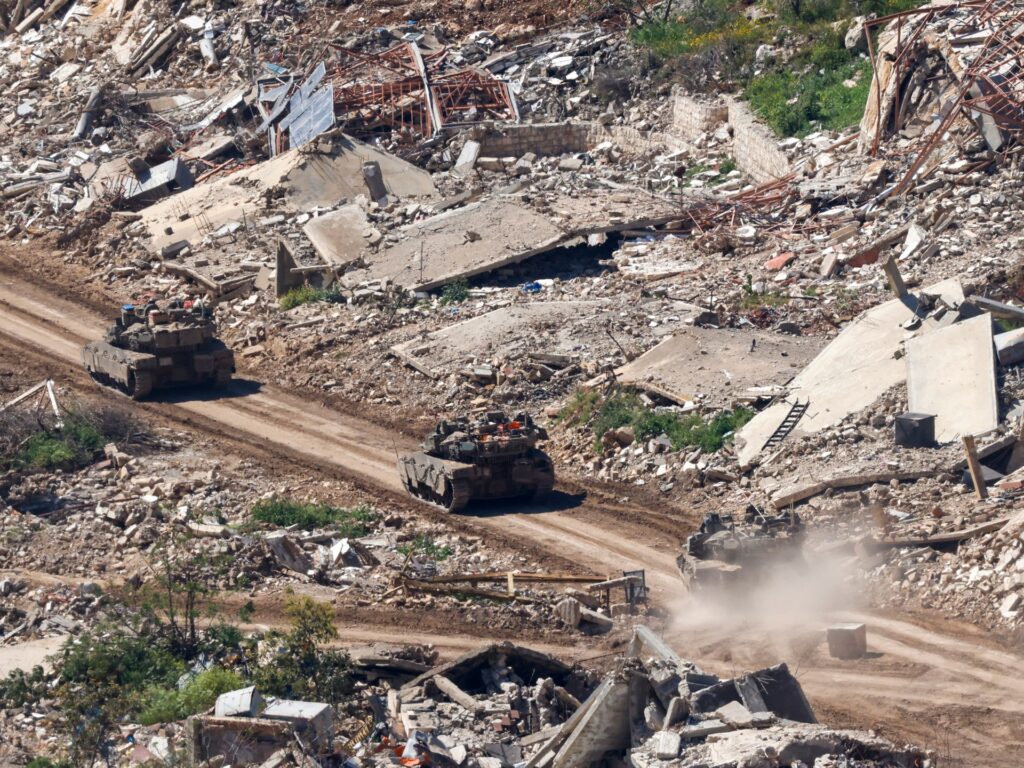
Recent findings reveal that Israel’s occupation in the Middle East extends significantly beyond what conventional maps display. Specifically, Israel holds approximately 1,000 square kilometers across Gaza, Lebanon, and Syria under direct military rule, underscoring a broader scope of control than previously recognized.
This occupation surpasses the commonly perceived borders, involving territories in three critical regions of the Middle East. Gaza, a focal point of Israeli-Palestinian conflicts, continues to experience strict military control, contributing to ongoing tensions in the area.
In Lebanon, Israel’s military presence along the border areas has been well-documented, but these findings highlight a more extensive area under its control, signaling a strategic depth in its defense and security policies.
Syria, too, faces the brunt of this occupation, where Israel maintains control over parts of the Golan Heights and possibly other border zones. This military rule affects local populations and has significant geopolitical implications.
The direct military rule over these territories involves not just security oversight but also impacts civilian life, infrastructure, and governance. The sustained occupation has led to numerous humanitarian concerns and continues to fuel regional instability.
Experts suggest that this expanded control reflects Israel’s broader strategic interests in maintaining security buffers and deterrence against hostile entities. However, it raises critical questions about international law, sovereignty, and the rights of the affected populations.
This revelation also sheds light on the complexity of Middle Eastern geopolitics, where borders are often fluid and contested. It underscores the need for renewed diplomatic efforts and conflict resolution strategies that acknowledge the realities on the ground.
The international community faces increasing pressure to address these issues, balancing security concerns with respect for international norms and human rights. The situation remains a focal point for policy makers, analysts, and humanitarian organizations globally.
In summary, Israel’s occupation covering about 1,000 square kilometers in Gaza, Lebanon, and Syria under direct military control represents a significant but underreported aspect of the Middle Eastern conflict landscape. Understanding this dimension is crucial for comprehending ongoing tensions and working towards sustainable peace in the region.